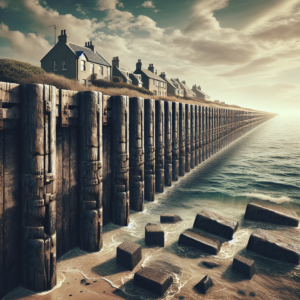
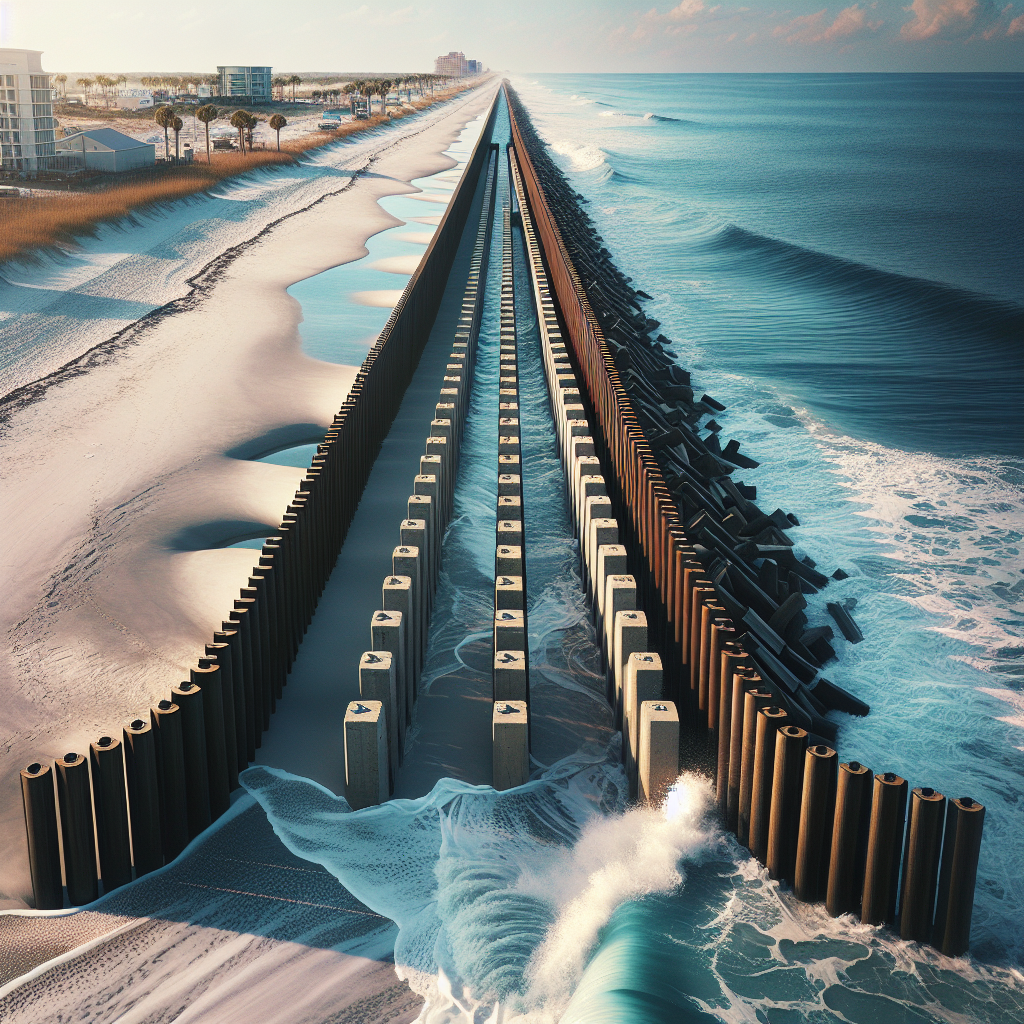
Maintaining the integrity of a seawall is vital for protecting not only our homes and properties but also the natural beauty of Jacksonville Beach. Seawalls serve to manage wave action, prevent flooding, and maintain the shoreline, making them essential structures along the coastline. However, erosion poses a significant threat to these barricades, undermining their stability and effectiveness. To safeguard your seawall from erosion, there are several strategic methods you can employ.
Understanding Shoreline Erosion Jacksonville Beach
Erosion is a natural process where soil and rock are removed from one location and transported to another. At Jacksonville Beach, shoreline erosion is accelerated by human activity, hurricane impacts, and rising sea levels—factors that underline the importance of proactive measures. A seawall’s primary function is to resist these threats, but over time, even the sturdiest structures can succumb to forces beyond their control.
Factors Contributing to Erosion
The harsh elements of nature—wind, waves, and currents—do not discriminate. During storms, these forces are magnified, leading to increased water levels and wave energy that directly impact the shoreline. Additionally, the construction of other coastal structures can redirect wave energy, improperly shifting it onto unprotected areas. Recognizing these factors can help in planning effective protective measures for your seawall.
Common Signs of Erosion
It’s essential to be vigilant in identifying signs of erosion around your seawall to prevent extensive damage. Look out for:
- Cracking, shifting, or leaning of the seawall.
- Exposed vegetation and roots near the base of the seawall.
- Visible washout of soil behind or beneath the seawall.
- Accumulation of debris and sediment along the shoreline.
Recognizing these signs early on can save you from costly seawall repair in Jacksonville Beach, FL.
Methods to Protect Your Seawall
Several proven strategies can help to reinforce your seawall against erosion and extend its lifespan.
1. Regular Inspections and Maintenance
Conducting routine inspections is crucial. You’ll want to check for any visible damage, as well as any alterations in the surrounding landscape caused by erosive forces. Regular maintenance may include reinforcing the structure, sealing cracks, and clearing away debris that could impede drainage.
2. Install Riprap
Riprap is a protective layer made of large stones or boulders placed along the base of the seawall. This technique absorbs wave energy, preventing water from washing away the soil directly against the seawall. It also helps to stabilize the beach area, slowing down any further erosion.
3. Vegetative Buffer Strips
Planting native vegetation along the shoreline can significantly reduce erosion. The roots of these plants help to bind the soil together and absorb excess water. Moreover, they provide a natural habitat for wildlife, adding ecological value to your property. Ensuring that you select native plants suited for coastal conditions is key.
Enhancing Flood Protection for Properties
Protecting your seawall is not only about erosion control; it is also a vital step in enhancing the flood protection of your property. Properties built close to the shoreline are at risk for flooding during storm surges. A well-maintained seawall acts as a frontline defense, preventing water from encroaching upon your home.
4. Consider a Bulkhead
If you’re looking for additional protection, installing a bulkhead can be beneficial. A bulkhead is a vertical wall designed to hold soil in place and prevent further erosion. They can be particularly effective when the slope of your property is steep and more susceptible to washouts. However, the design should be compatible with your seawall to maintain structural integrity.
Designing Sustainable Solutions
As we face climate change and rising sea levels, sustainable solutions are becoming increasingly important. Implementing environmentally friendly practices can protect your seawall while conserving the local ecosystem.
5. Use of Bioengineering Techniques
Bioengineering combines traditional engineering techniques with ecological practices. For example, layering natural materials like coir geotextiles can enhance soil stability while promoting native plant growth at the same time. This innovative and sustainable approach not only protects your seawall but also uplifts the surrounding natural environment.
Professional Help for Seawall Repair Jacksonville Beach FL
If you suspect damage to your seawall or need to implement some of the strategies outlined, consider seeking professional help. Hiring experts experienced in seawall repair in Jacksonville Beach, FL, can provide tailored solutions for your situation. They can assess your seawall’s condition accurately and recommend effective intervention strategies.
Choosing the Right Contractor
Selecting a skilled contractor is essential for ensuring that repairs are performed correctly. Look for professionals who specialize in marine construction and have a proven track record of successfully completed projects. Checking reviews and gaining referrals can also guide you in making an informed choice.
Long-term Benefits of Protecting Your Seawall
Investing in protective measures for your seawall promises long-term benefits. Not only will it enhance the aesthetic appeal of your property, but it also increases its value. Additionally, a robust seawall can lead to lower insurance costs as insurers recognize the decreased risk of flood damage.
In conclusion, protecting your seawall from erosion is crucial for the sustainability of Jacksonville Beach and the safety of your property. By employing strategies such as regular maintenance, riprap installation, and native planting, you can significantly reduce the risk of erosion. Remember, if in doubt, professional help is just a call away. Together, we can ensure that our beloved beach remains vibrant and beautiful for future generations.