 When it comes to operating a dock, safety must always be the top priority. Accidents and emergencies can occur at any time, and having a well-prepared emergency response plan can make all the difference in protecting lives and property. This is especially crucial in areas prone to severe weather conditions, such as Florida, where storms can lead to disastrous situations. Whether you are a dock manager, boat owner, or maritime institution, having a dock emergency response checklist is vital for ensuring safety and minimizing risks. Below we delve into key elements you should include in your dock emergency response checklist.
Understanding the Importance of a Dock Emergency Response Checklist
A dock emergency response checklist serves as your guide during critical situations. This ensures that all actions are methodically executed without panic. The reality is that emergencies are seldom straightforward, and having a checklist can streamline your actions into manageable steps. This not only saves time but also prevents chaos. In Florida, with the frequency of hurricanes, being prepared is non-negotiable. A storm readiness planning checklist can provide structures that are necessary once a hurricane threatens the coastline.
Key Components of a Dock Emergency Response Checklist
Your checklist should be comprehensive, covering various aspects. Whether you’re facing a fire, a capsize, or severe weather, here are essential components to consider.
1. Emergency Contacts
The first step in your dock emergency response checklist should be a list of important contacts. These can include local emergency services, coast guard, tow services, and nearby hospitals. It’s also beneficial to have contact information for all dock employees and boat owners using the facility. In an urgent situation, quick access to this information can be a lifesaver.
2. Weather Information
Especially in Florida, keeping an eye on the weather is critical. Integrate a section in your checklist that reminds everyone to monitor local weather updates. This could involve subscribing to alerts, using weather apps, or checking in with maritime weather services. It’s essential to stay aware of approaching storms or dangerous conditions.
3. Equipment Check
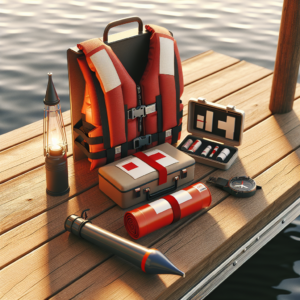
Regular maintenance and checks of emergency equipment can prevent disasters. Include a section on the types of safety equipment kept on-site—like fire extinguishers, buoyancy aids, and first aid kits. Ensure that staff is trained in the proper use of these tools, and schedule routine checks to ensure everything is in working order.
4. Evacuation Procedures
Having a clear evacuation plan is crucial. Your checklist should include a detailed outline of evacuation procedures. This could involve identifying escape routes, safety zones, and assembly points. Make sure that everyone on the dock understands these procedures, as clear communication can save lives during an emergency.
5. Boat Preparedness
If boats are docked at your facility, it’s vital that they’re ready to face potential emergencies. Your checklist should encourage boat owners to secure or remove personal vessels well ahead of any storm warnings. Include details on how to check boats for potential hazards and ensure that fuel levels are sufficient in an emergency.
Creating a Storm Readiness Planning Checklist
As hurricane season approaches, it’s especially important to have a storm readiness planning checklist. This checklist should be specific to your location and the type of vessels you accommodate.
1. Assessing the Dock Structure
Start with a thorough assessment of the dock structure. Ensure that all components—piers, cleats, and moorings—are robust and in good repair. This can prevent damage during storms. Check for loose boards, rusted fixtures, or any structural weaknesses. Document any repairs needed.
2. Review Equipment & Supplies
Similar to general emergency preparedness, assess what equipment and supplies you have on hand. Stock up on essential items like ropes, tarps, and extra dock lines. Consider stocking up on extra fuel for emergency generators if applicable. This ensures you can maintain operations even when the power goes out.
3. Communication Strategy
Communication is key during emergencies. Your storm readiness checklist should outline how you plan to communicate with staff, boat owners, and emergency services. Perhaps you establish a group chat or designate a central communicator to relay updates about conditions or necessary actions during a storm.
4. Training & Drills
Conduct regular training sessions and emergency drills. This keeps safety protocols fresh in your team’s minds. Everyone should know their responsibilities during an emergency. Drills can expose any weaknesses in your response strategies, giving you the chance to improve before a real emergency arises.
Adding to Your Hurricane Dock Safety Plan
To develop your dock emergency response checklist further, it’s critical to recognize the specific challenges posed by hurricanes. This type of storm can lead to high winds, heavy rain, and extensive storm surges. Therefore, an effective hurricane dock safety plan must include strategies that are specifically tailored to these threats.
1. Securing Boats
One of the most critical components is securing any vessels docked at your facility. Create protocols specifying how and when to secure boats before a hurricane. This may include advising boats to leave the dock early or using hurricane rings to ensure boats remain in place.
2. Stakeholder Coordination
Collaborate with local agencies and maritime stakeholders. Understanding neighborhood emergency plans can enhance coordinated efforts during an emergency. This collaboration can help create a more comprehensive response to adverse conditions.
3. Continuous Evaluation
Finally, it’s vital to continuously evaluate and update your dock emergency response checklist. As regulations change and new technologies become available, you should adapt your strategies accordingly. Encourage feedback from your team, and ensure that lessons learned from drills or real emergencies are incorporated into your plans.
Additional Resources for Dock Safety Planning
Utilizing available resources can enhance the effectiveness of your dock emergency response checklist. Some excellent sources for dock safety information include:
1. National Oceanic and Atmospheric Administration (NOAA)
The NOAA provides detailed information on weather patterns, safety tips, and regional resources, specifically tailored to maritime concerns.
2. Local Coast Guard Office
Engaging with your local Coast Guard can help improve your safety and emergency response considerations. They often provide resources for dock preparedness across different emergency scenarios.
3. Maritime Safety Organizations
Often, safety organizations provide training, checklists, and resources relevant to dock operations. Engage with these resources to enhance your overall emergency preparedness.
Conclusion
In conclusion, having a robust dock emergency response checklist is essential for ensuring safety in the maritime industry, particularly in regions susceptible to extreme weather events like Florida. By creating detailed checklists that account for emergencies, storm readiness, and hurricane safety measures, you’ll be prepared to tackle a variety of challenges. Prioritize safety, review policies regularly, and keep communication open with your team and community stakeholders. This proactive approach can save lives and minimize damage in the event of an emergency.