Dock coverage is one of the most misunderstood parts of a Florida homeowners policy. Plenty of waterfront owners assume the dock is covered because it is on the property. Often it is not, or it is covered for far less than the dock is worth.
This is general information rather than advice about your policy. Read your own declarations page, and talk to your agent before you need to.
Why Docks Are Treated Differently
A standard homeowners policy separates the dwelling from other structures on the property. Fences, sheds and detached garages usually fall under other structures coverage, commonly set at a percentage of the dwelling limit.
Docks complicate this because they sit over water, often on submerged land the homeowner does not own. Many carriers exclude structures over water outright, or cap them well below what replacement would cost. That exclusion is frequently in the policy from the start rather than added later.
What Tends to Be Covered
Where dock coverage exists, it usually responds to sudden and accidental events:
- Fire
- Lightning
- A vessel striking the structure
- A falling tree
- Vandalism
- Wind, though often with a separate deductible and sometimes excluded on over-water structures
What Is Usually Excluded
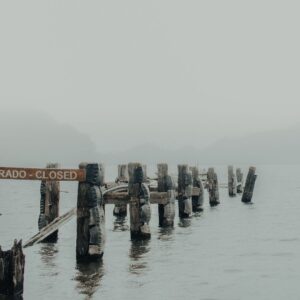
- Gradual deterioration. Rot, corrosion and general wear are maintenance, not a covered loss. This is the most common denial.
- Marine borers and pest damage. Almost universally excluded.
- Flood and storm surge. Not covered by a homeowners policy. Flood is a separate policy, and standard NFIP coverage generally does not extend to docks either.
- Wear that a reasonable owner should have caught. Carriers do look at maintenance history.
- Work done without required permits. Worth knowing before an unpermitted repair.
The gap between wind and flood is where most Florida dock claims land after a hurricane, and it is why the cause of damage matters so much on the claim.
Documentation Is the Whole Game
Every dock claim comes down to proving the damage was sudden rather than gradual. That is hard to do after the fact and easy to do in advance.
What to keep on file:
- Dated photographs of the dock in good condition, updated once a year. Wide shots and detail shots.
- Inspection reports. A professional report showing the structure was sound in March is the strongest possible answer to a claim denied as pre-existing wear in September.
- Receipts for maintenance and repairs, including cleaning and sealing.
- Permits and drawings for the original build and any later work.
- Immediate post-event photos before any repair begins.
Storing all of it somewhere that is not the house is also worth doing.
Three Things to Check on Your Policy Today
- Whether structures over water are covered at all, or excluded by endorsement
- The specific dollar limit for the dock, not the other structures percentage
- Whether wind on over-water structures carries its own deductible
If a dock is not adequately covered, some carriers offer a scheduled endorsement or a separate policy for it. That conversation is much easier in January than in the middle of hurricane season.
Common Questions
Is a boat lift covered separately from the dock?
Sometimes. Lifts are occasionally covered under a watercraft or marine policy rather than the homeowners policy. Ask specifically, because it is easy to assume the dock limit covers it.
Does an annual inspection actually help with claims?
It gives you dated third party evidence of condition. When the question is whether damage was sudden or gradual, that is the difference between a paid and denied claim.
Should repairs wait for the adjuster?
Emergency work to prevent further damage is normally expected and usually reimbursable. Full repairs generally should wait, and everything should be photographed first.
Build the File Before You Need It
The homeowners who get dock claims paid are the ones who can show what the dock looked like before. That file takes an hour a year to maintain.
Our dock inspection service produces exactly the kind of dated documentation that supports a claim, and our dock repair team works with adjusters regularly across Northeast Florida. See where we work on the service areas page.