
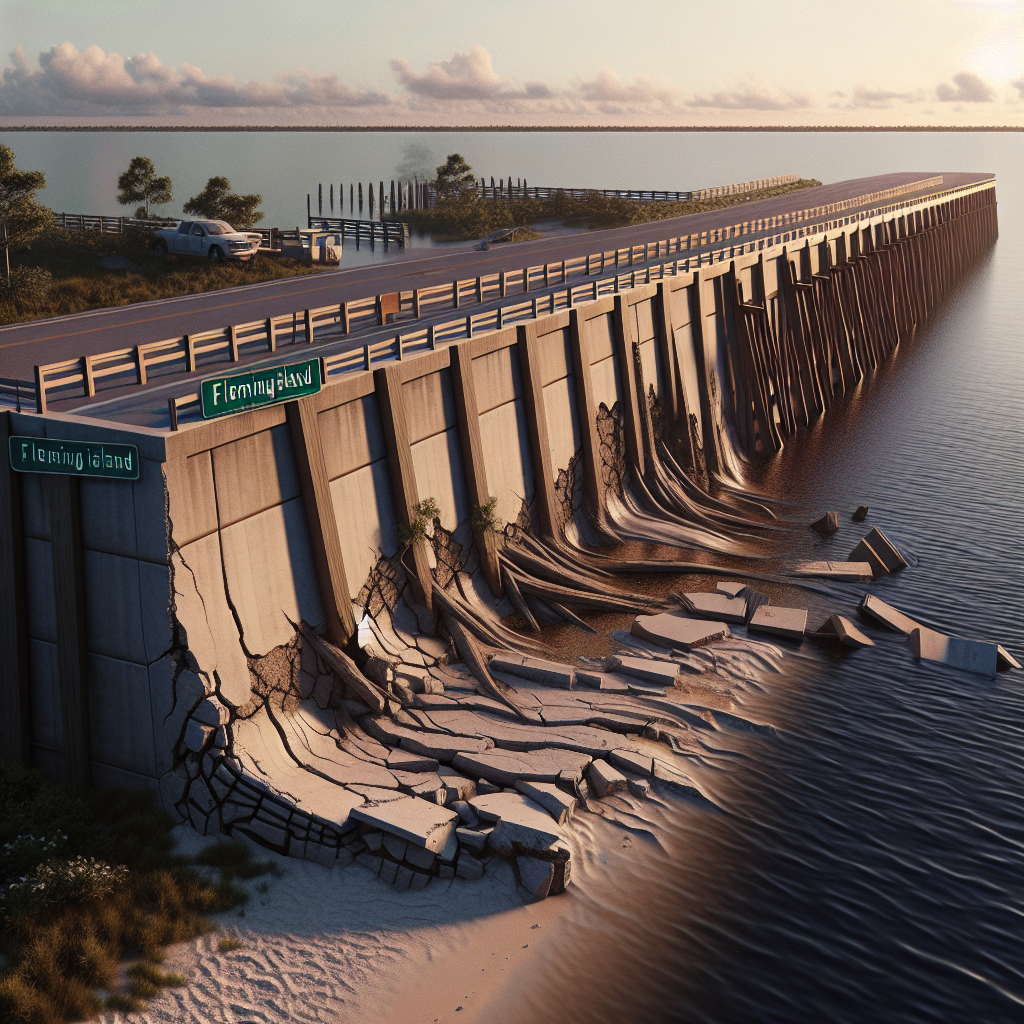
Signs that your Fleming Island bulkhead is beginning to fail can be subtle at first glance. But neglecting these signs can lead to significant issues for your property and pocketbook. Bulkheads are vital structures that protect your waterfront property from erosion and flooding. They play a crucial role in maintaining the integrity of your landscape and home. So, understanding when your bulkhead needs attention is critical.
Common Signs of a Failing Bulkhead in Fleming Island
When it comes to identifying a failing bulkhead, homeowners in Fleming Island should be aware of several telltale signs. Being proactive can save you money in potential repair costs and, more importantly, preserve the value of your property.
Cracks and Gaps
One of the first signs of a failing bulkhead is visible cracking. If you notice cracks or gaps forming in the structure, it’s time to take action. Cracks can allow water to seep behind the bulkhead, leading to further erosion of the soil beneath it. Regular inspections are key; catch these cracks early before they worsen.
Leaning or Tilting
Another sign is if you observe the bulkhead leaning or tilting. A properly installed bulkhead should stand vertically. If the structure appears to be leaning, it might indicate that the soil is eroding away, jeopardizing the bulkhead’s stability. This can also lead to seawall damage, which, if not corrected, could put your entire waterfront property at risk.
Visual Indicators of Bulkhead Failure
In addition to visible cracks and leaning, there are other visual indicators that can suggest the need for bulkhead repair in Fleming Island, FL. These signs can sometimes be overlooked, but they are essential to monitor.
Wet Spots and Erosion
If you notice wet spots or areas of erosion near your bulkhead, this is a significant indicator that something is wrong. Excessive moisture can destroy the land surrounding the bulkhead, leading to more substantial issues down the road. Keep an eye on any shifting of soil along your shoreline, as this can signal not only the bulkhead’s failure but also possible deficiencies in your yard’s drainage system.
Vegetation Growth
The growth of vegetation such as grass and weeds close to the base of your bulkhead is a warning sign. It suggests that soil is washing away, and the water is no longer held back effectively. While a little vegetation might appear harmless, it can often indicate that the bulkhead is failing to perform its job.
Understanding Seawall Damage
Seawalls and bulkheads are often used interchangeably, but understanding the difference is essential if you’re facing problems. Both structures are built to mitigate erosion, but seawalls are typically made to withstand the force of surf. If you notice signs of seawall damage, this could affect neighboring properties, including yours!
Surface Displacement and Holes
Check for surface displacement or holes along your seawall. Such problems can lead to water infiltration, increasing the risk of erosion. If you notice these issues, it’s best to consult a professional to assess the seawall’s integrity. Ignoring these signs can spell disaster.
Water Pooling or Draining Issues
Monitor areas where water pools or drains unusually. If you have a bulkhead that isn’t holding back water properly, or if rainwater isn’t draining correctly, it might be time for bulkhead repair in Fleming Island, FL. Look for puddling that occurs after a rainstorm; standing water can undermine the stability of the bulkhead.
Maintenance for Longevity
Regular maintenance is essential for prolonging the life of your bulkhead. Many homeowners underestimate the importance of inspection and upkeep. Below are some maintenance tips that can help you stay ahead of potential problems.
Regular Inspections
A good rule of thumb is to inspect your bulkhead at least once a year. If your property faces rough weather or heavy rainfall, consider more frequent checkups. During inspections, look for the signs we discussed earlier: cracks, erosion, vegetation growth, and overall structural integrity.
Consulting Professionals
If during your inspections you spot potential problems, don’t hesitate to seek professional help. Having an expert evaluate your situation is crucial. They can provide insight into whether you require simple repairs or complete replacement. Prompt action is always better than dealing with a failing bulkhead later on.
When to Call for Repairs?
Knowing when to call for repairs is also essential. If you notice any of the signs mentioned earlier, don’t wait for things to worsen. Quick action can prevent further damages and costly repairs in the future. It often takes less time and money to address problems early than it does to remedy them after they have become catastrophic.
Getting Quotes for Repairs
When considering bulkhead repair in Fleming Island, FL, it’s wise to get multiple quotes from contractors. This can give you a better understanding of what needs to be done and help you budget accordingly. Make sure you choose a contractor who specializes in bulkhead construction and repairs. This is often a field that requires specific knowledge and experience.
DIY vs. Professional Repairs
While some homeowners might consider DIY repairs, it’s essential to know your limits. Bulkhead repair can be complicated and hazardous. Unless you’re experienced and have the right tools, it’s usually best to hire professionals. They know how to ensure your safety while getting the job done correctly.
Conclusion
Monitoring the condition of your bulkhead is crucial for maintaining your property’s value and integrity in Fleming Island. Being vigilant about signs of a failing bulkhead, such as cracks, leaning, wet spots, or vegetation growth, can save you from significant repair costs later. Regular inspections and professional consultations will help identify issues before they escalate.
Don’t ignore the warnings! Stay proactive, and your bulkhead will serve its purpose for years to come—a reliable barrier against the elements and a guardian of your waterfront investment.