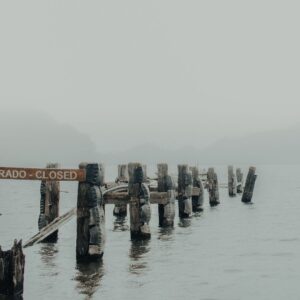

Spotting early structural damage in dock supports is crucial for maintaining the safety and longevity of your waterfront property. Docks can be susceptible to various environmental factors, wear and tear, and even harsh weather conditions. Failing to address these issues early can lead to significant repair costs or even hazardous situations. This article will guide you through the warning signs of dock structural damage, specifically focusing on early signs you can look for, and providing some information about piling repair in Florida. Let’s dig deeper into how you can protect your investment before it’s too late.
Identifying Early Dock Support Damage Signs
It’s essential to be observant and proactive when it comes to your dock’s structural integrity. Here are several early warning signs of damage that every dock owner should watch for:
Cracks in Supports
One of the most apparent indicators of dock support damage is visible cracking. If you notice any cracks in the support beams or pilings, it may suggest a deeper structural issue. Minor hairline cracks may not be alarming but larger, expanding cracks could indicate that the integrity of the supports is compromised. Inspect these areas regularly and address concerns immediately.
Uneven or Settling Supports
If any sections of your dock appear to be settling or uneven, it might be time to take action. Supports that are out of alignment can indicate soil erosion or corrosion in pilings. This unevenness can lead to instability, making it hazardous for use.
Wear and Tear on the Surface Material
Inspect the surface of the dock itself. Are there any soft spots or boards that seem to be wearing away? Wood surfaces may rot, while composite materials could warp. Regular maintenance can prevent these issues from escalating but must be coupled with an understanding of the underlying supports.
Moisture Accumulation
Excess moisture can be detrimental to dock supports. If you notice persistent pools of water around the supports or between the piers, there may be drainage issues. Prolonged moisture can lead to wood rot or corrosion, especially in metal components. Adequate drainage systems can mitigate this risk.
Dock Structural Warning Signs to Watch For
Besides the visible signs of damage, there are some more subtle issues that may indicate structural problems in your dock. Ignoring these can lead to more significant problems down the road.
Excessive Bouncing or Movement
If your dock seems to bounce excessively or move in ways that feel unusual when people walk on it or when boats come into contact with it, you may have a serious stability issue. It is essential to assess this movement, as it may suggest foundation problems or loose fittings.
Squeaking or Groaning Sounds
Listen closely when using your dock. If you hear squeaks, groans, or creaks, don’t dismiss these sounds as harmless. They could indicate structural stress in the supports. It’s wise to check your dock after hearing any unusual sounds.
Discoloration or Staining
Discoloration and staining of the wood are often indicators of water damage. If your wooden supports are showing signs of dark stains, it could indicate mold, mildew, or rot. Promptly addressing these problems can prevent them from worsening.
The Importance of Regular Inspections
No matter how well you maintain your dock, regular inspections are key to spotting potential problems before they escalate. Ideally, dock inspections should occur at least twice a year. Inspect after major weather events such as hurricanes or heavy storms, as they might reveal new issues. Why is this critical?
Routine inspections help you notice early warning signs of structural damage. When you catch issues like cracked supports or uneven surfaces early on, repair costs are often much lower compared to waiting until the damage becomes severe.
DIY vs. Professional Inspections
While you can perform a basic visual assessment of your dock, involving professionals ensures a thorough inspection. Certified inspectors can identify subtle issues that might escape an untrained eye. They’ll ensure your dock complies with safety standards and local regulations, especially important in flood-prone areas like Florida.
Piling Repair in Florida: Key Considerations
If inspections reveal piling damage, it’s crucial to address it quickly. Florida’s coastal environment can accelerate deterioration due to saltwater exposure, making piling repair even more essential. Here’s what you should know:
Know Your Repair Options
There are various methods for repairing pilings, each suitable for different kinds of damage. Some common techniques include:
– **Piling Caps:** These protect the tops of pilings from wearing due to water exposure.
– **Injections and Epoxy Treatments:** These methods can fill cracks and reinforce the structural integrity of weakened pilings.
– **Piling Wraps:** This technique involves wrapping the piling base to protect against further corrosion.
Choosing the Right Contractor
Choosing a qualified contractor for piling repair in Florida is vital. Always look for experienced professionals who provide a warranty on their work. Check their credentials and customer reviews to ensure you’re making an informed choice.
Prevention is Better than Cure
Taking proactive measures can reduce the risk of structural damage to your dock supports. Here are some preventive steps:
Regular Maintenance
Routine maintenance tasks, such as cleaning debris and checking the integrity of fittings, can go a long way in prolonging your dock’s lifespan. Don’t neglect to replace broken or rotting boards promptly.
Use Quality Materials
When constructing or repairing your dock, ensure you use high-quality materials that can withstand Florida’s unique climate. Evaluate the longevity of materials before making a final purchase to avoid costly repairs in the future.
Implementing Drainage Solutions
Effective drainage solutions minimize moisture accumulation around your dock. Examine your drainage systems regularly to ensure they’re functioning effectively.
Conclusion
Clearly, spotting early structural damage in dock supports is a matter of vigilance. Regular inspections and maintenance can save you from major headaches in the future. By understanding the early warning signs and being proactive about repairs, you not only protect your investment but also ensure that your dock remains safe and functional for years to come. With a watchful eye and a commitment to upkeep, you can enjoy your time by the water with peace of mind.