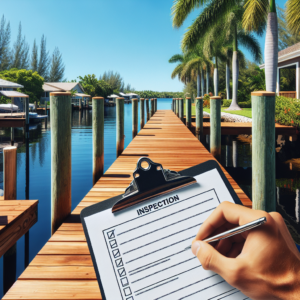
 Maintaining a residential dock in Florida is essential for both aesthetic appeal and, more importantly, safety. With the unique challenges posed by the state’s climate, marine growth, and the wear and tear from frequent use, regular inspections become crucial. Whether you own a simple platform or a complex structure with lifts and other functionalities, knowing how often to inspect your dock is key to prolonging its life and ensuring safety for all who use it.
How Often Should a Residential Dock Be Inspected in Florida?
The simple answer is that you should inspect your residential dock at least annually. However, this frequency can vary depending on several factors, including environmental conditions, the materials used in your dock’s construction, and usage levels.
In Florida, the warm climate means that your dock may be exposed to heavy storms, humidity, and the growth of algae and barnacles, which can affect its integrity. Therefore, bi-annual inspections—at the beginning and end of the boating season—are recommended.
Also, after severe weather events, it’s prudent to conduct a thorough inspection to assess any potential damages caused by high winds or storm surges.
Factors Influencing Inspection Frequency
Several factors can impact how often you should check your dock. Here are some of the most significant:
- Material Composition: Wood, composite, or aluminum docks each have specific care and upkeep needs. For instance, wooden docks may require more frequent inspections due to potential degradation from rot or insect damage.
- Environmental Conditions: Locations prone to hurricanes and tropical storms require more frequent checks, particularly after storms.
- Usage Levels: A dock that sees constant use will experience more wear and tear than one that is seldom utilized. Increased foot traffic, boat docking, and tidal movements can exacerbate structural issues.
- Maintenance History: If prior inspections have revealed issues, or if repairs have been made, more frequent checks might be necessary until confidence in the dock’s integrity is restored.
Dock Inspection Frequency Guidelines
As a general guideline for residential dock inspections in Florida:
1. **Quarterly Checks:** While less formal, quarterly checks can help catch minor issues before they escalate. This is especially important if the dock experiences heavy traffic or is in a harsh environment.
2. **Bi-Annual Inspections:** Ideal for most residential docks, especially before and after the peak boating season. These assessments can identify signs of wear, marine growth, and structural integrity.
3. **Post-Storm Inspections:** After inclement weather, immediate inspections are essential. High winds and storm surges can cause significant damage that may not be immediately visible.
Strengthening your routine inspections can save you money in the long run. The cost of minor repairs is far less than neglecting issues until they become major, requiring more extensive renovations or replacements.
What to Look For During an Inspection
When conducting inspections, keep an eye out for these crucial elements:
- Structural Integrity: Check for any cracks, splits, or sagging in the structure that could indicate a failure.
- Fasteners and Hardware: Corroded bolts, nuts, or screws can compromise the stability of your dock. Look for any signs of rust or deterioration.
- Marine Growth: Algae, barnacles, and other marine life can attach themselves to the dock, causing wear. Regular cleaning can alleviate this issue.
- Edging and Skirting: Ensure that the edges of the dock are intact and that there is no peeling or flaking.
- Flight Decks and Railings: Check that all decking is within compliance and that railings are secure and sturdy.
Residential Dock Safety Checks
Part of ensuring your dock is safe involves understanding and implementing safety checks. A safety check for your dock includes verifying that all fixtures and fittings are securely attached, inspecting for loose boards, and ensuring proper lighting for nighttime use.
Moreover, you should also inspect any power sources, dock ladders, and swimming areas to guarantee that they are in compliance with safety standards. Having life jackets, throw rings, and other rescue equipment readily available can increase safety for everyone.
Professional Inspections vs. DIY
While some homeowners might feel comfortable inspecting their docks themselves, hiring professionals for a detailed assessment is advisable, especially for more complex structures. Professionals can provide insights that an untrained eye may miss, ensuring that safety and structural integrity are maintained. Many professionals utilize specialized equipment to assess various aspects of docks.
Investing in a professional inspection may seem like an additional cost, but it can significantly enhance safety for you, your family, and your guests. Moreover, many insurance policies may even require professional inspections to maintain coverage.
In Conclusion
To sum up, how often you should inspect your residential dock in Florida largely depends on its conditions and usage. Regular inspections—ideally bi-annually or quarterly—paired with post-storm assessments can ensure its longevity. Safety checks are equally important to protect all users. By staying proactive about your dock inspections, you can avoid costly repairs and keep your waterfront property a safe and inviting space for enjoyment.
Remember, a well-maintained dock is not just a structure; it’s a gateway to countless memories on the water. So keep it safe, secure, and ready for every sunset cruise and fishing trip!