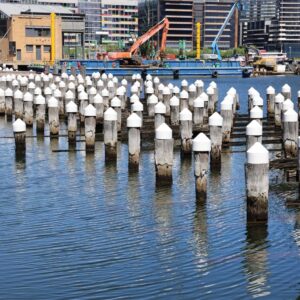
 Homeownership along the coast can offer breathtaking views and a serene lifestyle. However, these properties come with unique challenges, especially for those with aging seawalls. Seawalls play a crucial role in protecting your property from erosion and storm damage. Unfortunately, like any structure, they have a lifespan. Regular maintenance and inspections are necessary to ensure their longevity and performance. This post will guide homeowners on what to watch for around an aging seawall, including key warning signs and maintenance tips for optimal protection.
Aging Seawall Warning Signs in Florida
As seawalls age, their effectiveness can diminish, leading to costly repairs or replacements. Living in Florida, where coastal conditions can be particularly harsh, it’s crucial to remain vigilant. Here are some signs that your seawall may be deteriorating.
Cracks and Gaps
One of the first signs of an aging seawall is the appearance of cracks. These can develop due to erosion, shifting soil, or the sheer weight of the water. If you notice gaps between the seawall and the ground or between the wall and dock structures, it’s vital to address them promptly. Left unchecked, these cracks can lead to significant structural problems.
Unusual Settling
Another telltale sign is unusual settling. If you observe areas of the seawall that appear lower than others, it’s a red flag. This uneven settling may indicate underlying issues such as soil erosion or insufficient drainage. Regular inspections can help identify problems before they escalate.
Seawall Inspection Signs
Regular inspections are essential for maintaining the integrity of your seawall. But what should you look for during an inspection? Here are some critical seawall inspection signs to consider.
Rusting and Corrosion
If your seawall includes metal components, keep an eye out for rust or corrosion. This deterioration can weaken the structure and compromise its stability. Inspect metal anchors, ties, and other fittings for signs of rust. If you see it, consult with a professional about possible treatments or replacements.
Vegetation Growth
While a garden can enhance the beauty of a property, vegetation growing on or near your seawall can indicate bigger problems. Roots can penetrate cracks and exacerbate damage, leading to further erosion. If you spot unexpected plant growth, consider contacting a marine contractor to evaluate the seawall.
Bulkhead Repair Needs
Every seawall will eventually need repairs, especially as it nears the end of its lifespan. Here’s how you can prepare for potential bulkhead repair needs.
Evaluate the Materials
Depending on the materials used in your seawall, repair methods can vary significantly. Common materials include concrete, wood, and vinyl. Each type has distinct vulnerabilities and repair options. For example, concrete can be patched, while wooden bulkheads may need entire sections replaced. Understanding the material will help you in the long run.
Consult with Professionals
If you suspect your seawall has damage that requires repair, it’s essential to consult with professionals. They will conduct a thorough evaluation of your seawall, assess the condition, and offer solutions. This proactive approach can save you time and money, ultimately preserving your property’s value.
Maintaining an Aging Seawall
Regular maintenance is key to extending the life of your seawall. Consider these maintenance tips to keep your seawall in optimal condition.
Regular Inspections
Schedule regular inspections of your seawall at least once a year, more frequently if you live in an area prone to storms. Pay attention to both visual signs and the condition of the soil around the wall. Catching issues early can dramatically reduce repair costs.
Proper Drainage
Drainage issues can lead to significant damage over time. Ensure that water drains away from your seawall and that the surrounding area doesn’t become overly saturated. Adequate drainage helps reduce pressure on the seawall and prevents soil erosion.
Final Thoughts
In conclusion, homeowners should be proactive in monitoring the condition of their seawalls, especially as they age. By knowing the warning signs of deterioration, conducting regular inspections, and understanding bulkhead repair needs, you can protect your property and ensure long-term resilience against Florida’s unique coastal challenges. Don’t sit back and wait for an obvious problem to arise; a proactive approach will offer peace of mind and preserve your beautiful coastal home for years to come.