
If your dock rocks when you walk across it or pilings look leaned since last storm season, St. Johns River conditions are likely at work. Freshwater with constant weed growth and wind chop cycles moisture through every board and fastener. In Welaka, private docks built for shallow-draft boats take this exposure especially hard, with weed accumulation accelerating rot where fasteners meet wood. Seasonal water-level shifts stress pilings at the mud line. Dock repair in Welaka starts with spotting these patterns early, before settling or heaving pulls your structure out of level.
A leaning piling often signals wash-around below the mud line, which if left alone eventually pulls the decking out of level. In Welaka’s shallow-water conditions, freshwater weed growth compounds the problem by holding moisture against pilings year-round. We assess with piling repair first, checking what’s happening at the mud line and whether dock leveling will follow. Wind chop and seasonal moisture shifts also wear decking that needs cleaning and sealing to slow rot. Boat lift repair for cables and motors is common when structures shift. The cradle misaligns if pilings settle unevenly.
We serve residential dock owners on St. Johns River around Welaka and Shell Harbor who need precision assessment before major refurbishment. Familiar with Putnam County waterfront permitting and freshwater conditions that mix wind chop with weed growth, we specify marine-grade materials that handle seasonal moisture-cycling and longer dock runs common in this rural area. We also work with small commercial operations and HOA-managed waterfront properties managing multiple structures. Post-hurricane assessments are routine for us after Northeast Florida storm season. Our first step is always structural diagnosis. We check piling integrity below the mud line, decking soundness, and whether repairs extend the dock’s life cost-effectively.
Contact us for a free structural assessment of your dock on St. Johns River. We’ll visit your property near Mt. Royal or Shell Harbor, examine pilings below the mud line and decking soundness, then explain exactly what’s wrong before providing any quote. Freshwater moisture-cycling and seasonal wind chop create predictable stress patterns in Putnam County docks. Most problems can be extended or prevented if you catch them early.
A leaning piling is the most visible sign, often caused by wash-around below the mud line as freshwater weed growth and seasonal moisture breakdown the substrate. Soft decking that feels spongy underfoot means moisture has reached fasteners beneath. Sinking sections on one end indicate piling settlement from uneven pressure or wood decay. A misaligned bulkhead edge or cap cracks suggest undermining by St. Johns River water movement. All of these develop in Welaka because of the constant moisture-cycling from wind chop and weed growth.
The scope of damage determines expense: single piling replacement costs less than rebuilding an entire frame. Materials matter. Marine-grade wood and fasteners suitable for freshwater environments cost more than standard wood. Dock size and length are major factors, especially in Welaka where private docks often run longer for shallow-draft boat access. Accessibility also affects cost: docks near heavily wooded areas or tight turns require more labor. Whether pilings below the mud line need assessment or replacement versus simple decking repairs and sealing drives the overall scope significantly.
Spring (March-May) is ideal for most repairs in Putnam County, allowing time before summer stress and ahead of the Northeast Florida hurricane season that runs June through November. Water levels in St. Johns River are typically more stable in spring, making piling and bulkhead work easier. Inspect your dock in early spring before storm season begins, and schedule repairs promptly if you find problems. Post-storm assessments should happen immediately after weather passes. Avoid attempting major structural work during summer heat and humidity or in late fall when hurricane season approaches.
Assessment comes first. If pilings below the mud line are sound and not severely rotted, repair usually extends the dock’s life for several more years. Check whether the framing is straight and fasteners are holding. If decking is the primary issue, cleaning, sealing, and partial board replacement often suffice. Replace only when pilings are unsalvageable, framing is collapsed, or the cost to repair approaches replacement. In Welaka’s freshwater environment with constant weed growth and moisture-cycling, older docks often benefit from targeted repair rather than full replacement if the foundation is still solid.
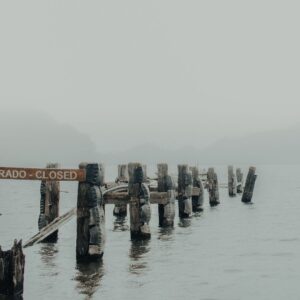
Structural problems on St. Johns River docks around Welaka State Forest rarely announce themselves. They develop gradually as pilings shift and wood decays. Our assessment process identifies what’s truly happening below the decking and at the mud line, then we quote repairs you actually need, not guesses. Reach out with photos or details about what you’ve noticed. We serve Putnam County waterfront and understand freshwater dock wear patterns specific to this area.