
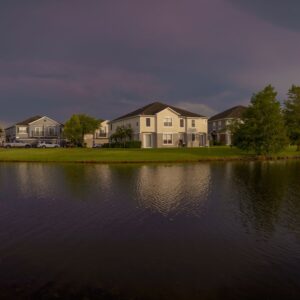

If your dock rocks when you walk across it, or if pilings look leaned since the last storm season, the St. Johns River’s brackish tidal water and salt-air corrosion are likely at work. Riverside-Avondale’s historic waterfront homes face unique challenges as boat wakes and daily tidal shifts weaken wooden pilings and accelerate fastener corrosion. Docks in this area often settle unevenly or develop soft spots in the decking. Property owners near Memorial Park and Five Points know the wear is real. Understanding what’s actually happening beneath the surface is the first step. That’s where dock repair on St. Johns River begins.
A leaning piling often signals wash-around below the mud line, which eventually pulls the decking out of level. Piling repair becomes critical when this happens. Boards that feel soft underfoot usually mean moisture has compromised fasteners underneath, and you may need dock leveling to restore a safe walking surface. In Riverside-Avondale, bulkhead failures are common: brackish tidal water with salt-air corrosion and boat wake stress eats through timber caps and undermines soil behind them. Sea wall and bulkhead repair prevents property from eroding into the St. Johns River. Cleaning and sealing slow the corrosion process on this exposed waterfront.
We work on Riverside-Avondale’s historic single-family homes, modern multi-family waterfront buildings, and HOA-managed community docks. Each project is different. Historic properties near Memorial Park often need repairs that respect the original bulkhead lines and wood species, while maintaining modern structural standards. Commercial and mixed-use properties demand efficiency and minimal downtime. We’re familiar with Duval County waterfront permitting and use marine-grade materials rated for brackish tidal water with salt-air corrosion and boat wake stress. After Northeast Florida’s June through November storm season, we conduct post-damage assessments to prioritize repairs and catch hidden piling wash-around before it becomes catastrophic.
Your Riverside-Avondale dock deserves a clear, honest assessment. We walk the decking, probe the pilings, check below the waterline if access allows, and tell you what’s actually wrong and what can wait. Owners near Five Points and throughout Duval County find this clarity invaluable when planning repairs. Schedule a free assessment before June hits and the storm season begins.
Look for a leaning or visibly off-plumb piling, which signals wash-around of the mud-line foundation. Boards that feel soft or spongy underfoot indicate moisture damage to fasteners beneath. Sections of your deck that sink lower than others after high tides suggest uneven piling settlement. In Riverside-Avondale’s brackish tidal water with salt-air corrosion and boat wake stress, bulkhead caps often crack or pull away from the property side. If you see green or black staining on pilings, algae growth accelerated by moisture is eating the wood. Any of these signs means an assessment should come soon.
Repair cost depends on what’s damaged. Pilings partially rotted above the mud line can be sistered or capped, while severely compromised pilings may need replacement. Bulkhead repairs vary based on undermining extent and whether you match historic timber or use modern marine-grade materials. Dock size matters: larger waterfront property costs more to stabilize. Exposure to Duval County’s brackish tidal water with salt-air corrosion and boat wake stress shortens the lifespan of wood-only repairs, so material choice affects long-term value. An assessment identifies which factors apply.
May and early June are ideal for repairs, before Northeast Florida’s June-through-November hurricane season. Spring is when pilings and bulkheads are most visible in low water, and repairs completed before June stabilize the structure before storm surge and heavy wakes stress docks. Post-storm repairs can wait a few days unless damage is catastrophic, but don’t delay. A leaning piling or missing bulkhead sections weaken the entire system for the next storm. If you notice problems in winter or early spring, budget the repair for spring rather than waiting until storm season arrives.
That decision depends on what an assessment finds below the mud line. If pilings are sound and only decking or fasteners are compromised, repair makes sense. If pilings show significant rot or wash-around below grade, replacement may be more reliable than working around hidden damage. Bulkhead conditions matter too: a cracking cap can sometimes be replaced without pulling out the entire wall, but deep undermining suggests full reconstruction. A thorough diagnosis checking pilings below grade and testing framing will guide the right choice for your Riverside-Avondale dock.
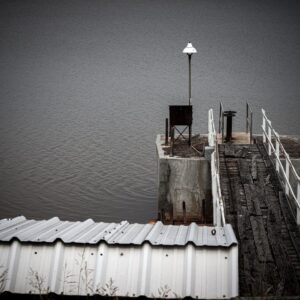
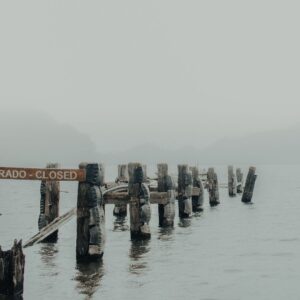
Waterfront property in Riverside-Avondale is an investment worth protecting. Pilings that look okay on the surface often hide significant wear below the mud line, and delaying repairs can turn a small fix into a major project. We start every conversation with a careful diagnosis: what’s failing, what’s at risk, and what timeline makes sense for your property near Memorial Park or anywhere else in Duval County. From there, we quote the work clearly and get it done right.