
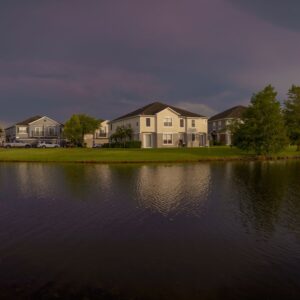

If your dock rocks when you walk across it, or if pilings look leaned since the last storm season, your Ormond-by-the-Sea waterfront dock has taken on damage from the Intracoastal Waterway’s brackish tidal water and salt-air corrosion. The A1A corridor sits in some of Volusia County’s most demanding conditions, where boat wakes, tidal swing, and weathering combine to stress pilings, fasteners, and decking over time. Dock repair in Ormond-by-the-Sea isn’t optional when boards feel soft underfoot or your dock structure shows signs of settling. The longer you wait, the deeper the damage spreads.
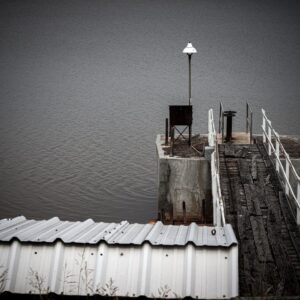
A leaning piling often signals wash-around below the mud line, which if left alone eventually pulls the decking out of level. That’s why piling repair is frequent on Intracoastal waterfront homes here. Soft boards underfoot usually mean fasteners have corroded or moisture has compromised the framing, addressed through proper decking preservation and sealing. If your dock has sunk on one side or heaved unevenly after a nor’easter, dock leveling becomes necessary. Brackish tidal water with constant salt-air exposure also wears bulkheads; sea wall and bulkhead capping prevents undermining and keeps the waterfront stabilized during storm surge.
We work on residential docks owned by homeowners along the Intracoastal Waterway near the A1A corridor, as well as semi-private waterfront communities and HOA-managed facilities in Ormond-by-the-Sea. Understanding Volusia County’s waterfront permitting and riparian rules means your repairs move forward without regulatory delays. We specify marine-grade materials and fasteners rated for brackish tidal water with salt-air corrosion, not generalist hardware. After Northeast Florida storm season, we conduct thorough post-damage assessments that identify what actually needs repair versus what’s cosmetic weathering. Whether your dock is newly built or decades old, our diagnostic approach ensures you’re not paying for unnecessary work.
Reach out for a free assessment of your Ormond-by-the-Sea dock or bulkhead. We’ll visit your Intracoastal waterfront property, document what’s happening below the mud line and above, and explain the actual scope of repair work needed before discussing any estimates. Many homeowners near the A1A corridor find the walk-through invaluable; you’ll know exactly what’s wrong, why it happened, and what the fix entails.
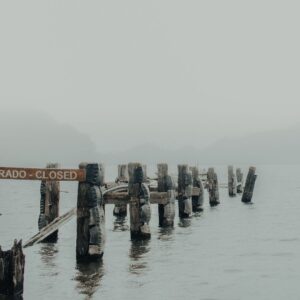
Look for a leaning or tilted piling, which signals wash-around erosion beneath the mud line. Boards that feel soft or spongy underfoot often indicate fastener corrosion or moisture damage from brackish tidal water exposure. Uneven decking sections or heaved boards point to piling settlement or frost heave. A bulkhead that’s pulling away from the property line or showing horizontal cracks usually means the cap is failing and the wall is undermining from Intracoastal Waterway wave action. Any of these warrants a professional assessment.
The depth of damage makes the biggest difference. A leaning piling that needs straightening versus one that’s rotted through and requires replacement will have different scopes. Material selection matters too; marine-grade fasteners and lumber rated for brackish tidal water with salt-air corrosion cost more than standard hardware, but they outlast cheaper alternatives in Volusia County’s waterfront environment. Dock size, complexity of the design, and proximity to utilities all factor in. The condition below the mud line, which you can’t see without inspection, often determines whether you’re doing targeted repairs or a larger reconstruction.
Spring and early summer, before Northeast Florida hurricane season begins in June, is the ideal window. A spring inspection can catch damage from winter weathering and tidal cycles, and repairs completed by May or June leave you prepared for storm season. If you spot damage after a nor’easter or tropical event, address it promptly; temporary failures often worsen rapidly once the breach is open to water intrusion. Post-storm assessments in late autumn, after the season peaks, help you prioritize repairs and budget for spring work. Waiting through the peak storm months risks cascading damage.
The decision hinges on what’s actually deteriorated. If a single piling has rotted but the others remain sound, targeted replacement of that piling makes sense. If rot or damage has spread to multiple pilings or compromised the main frame, rebuilding becomes more cost-effective. Decking alone, even if severely weathered, often doesn’t justify replacement if the underlying structure is solid. A thorough underwater inspection of the pilings and fasteners below the mud line is essential before you commit to either path. We assess the full picture, compare repair versus replacement scenarios, and help you make a decision based on your dock’s actual condition, not guesswork.
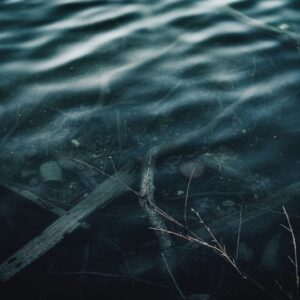
Your Ormond-by-the-Sea dock or bulkhead is too important to guess about. Salt-air damage, piling settlement, and decking rot progress quietly; by the time symptoms become obvious, you may be facing a full rebuild instead of a targeted repair. Contact us to schedule your waterfront assessment around the A1A area. We assess what’s actually deteriorating, clarify your options, and move forward transparently. Storm season in Northeast Florida waits for no one.