
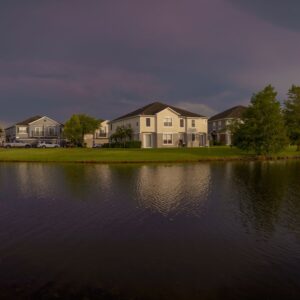

If your dock rocks when you walk across it or pilings look leaned after wind chop on St. Marys River, the pilings likely shifted in the mud. Freshwater conditions create unique wear patterns: moisture cycling through wood fasteners, weed growth trapping moisture against framing. Hilliard docks often show settlement first at distant ends or riverside sections. The moisture-wet cycle is the leading cause of decay in this area. Dock repair in Hilliard usually starts by checking what’s actually moved beneath the waterline, then assessing whether to repair individual pilings or adjust the full structure’s level.
A leaning piling often signals wash-around below the mud line, which if left unchecked eventually tilts the whole deck out of level. On St. Marys River, where freshwater weed growth and seasonal moisture swings accelerate wood failure, inspecting pilings and bulkheads is critical. Soft decking underfoot usually means fasteners have corroded; the decking itself may still have structural life. Piling Repair addresses the root cause when pilings shift or rot. Dock Leveling restores level when settlement creates tripping hazards. For waterfront bulkheads showing cracks or undermining, Sea Wall / Bulkhead work prevents catastrophic failure. Cleaning & Sealing slows the moisture cycle that drives decay in Hilliard’s inland river environment.
Hilliard’s waterfront includes private residential docks, small commercial properties, and HOA-managed structures along St. Marys River and its tributaries. Most of our work involves older established structures that benefit from refurbishment rather than replacement. We’re familiar with Nassau County waterfront permitting requirements and the specific inspection protocols for inland freshwater conditions. Our material selections account for weed growth, wind chop wear, and the relentless moisture cycling in this area. After Northeast Florida storm season, we conduct damage assessments for residential owners around Boots Branch and the broader St. Marys River area.
Get a free assessment of your Hilliard dock. We evaluate what’s actually wrong before quoting anything: piling condition below the waterline, framing integrity, decking scope. Our assessment report shows exactly where wear has started and what will fail next if left alone. We’ll walk your dock, check the pilings, and give you clear next steps. Call to schedule your waterfront evaluation around Boots Branch or anywhere in Hilliard.
A leaning piling is the clearest sign, especially on St. Marys River where wash-around below the mud line pulls pilings out of plumb. Soft decking underfoot means fasteners are corroding, weakening the structure. Misaligned sections or settling at one end create uneven walking surfaces and stress fractures. In Hilliard’s freshwater environment with weed growth trapping moisture, decking that feels spongy has likely absorbed water through fastener holes. If your dock rocks slightly when you step on it, the pilings have shifted in the soft soil typical of inland Nassau County waterfront properties.
Several factors determine the scope of repair work. The type of damage matters most: a single leaning piling costs less to repair than widespread rot in multiple members. Materials affect total cost because freshwater weed growth on St. Marys River demands corrosion-resistant fasteners and wood treatments. The length and design of your dock, and how deep the pilings sit in Nassau County’s soft soil, influence labor and material totals. Post-storm repairs often cost more because secondary damage may not be visible until pilings are inspected below the waterline.
Pre-season inspection in late spring, before hurricane season begins in June, catches problems while water levels are lower and weather is stable. Springtime work allows repairs to cure properly before the wind chop and heavy rainfall of summer. Post-storm repairs are necessary immediately after Northeast Florida storms, but you’ll get better results scheduling them after the emergency passes and contractors can assess damage thoroughly. In Hilliard, fall and early winter offer calm conditions for piling work and decking replacement. Avoid wet-season repairs on St. Marys River when water levels rise and soil around pilings becomes unstable.
Start by inspecting pilings below the mud line. If only the outer wood is spongey and the core is sound, repair is viable. Widespread rot through multiple pilings suggests replacement may be more cost-effective long-term. Framing integrity matters: if main beams are cracked or severely rotted, repairs extend life but don’t fully restore the structure. Decking failing over sound pilings makes sense to replace selectively. In Hilliard’s freshwater environment, the assessment determines the answer. Most older docks on St. Marys River benefit from targeted piling and framing repairs rather than full replacement.
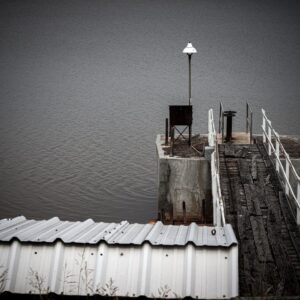
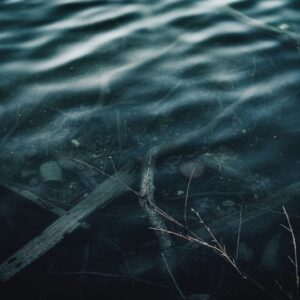
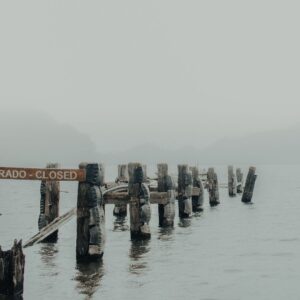
Hilliard waterfront docks thrive when you know exactly what’s deteriorating. Rather than overselling repairs, we examine each structure’s condition and tell you what actually needs fixing. Whether your dock has settled, pilings are leaning, or decking feels soft underfoot, start with a clear picture. St. Marys River properties in inland Nassau County see specific wear patterns that demand local know-how. Contact us to inspect your dock and receive recommendations based on findings, not assumptions.