
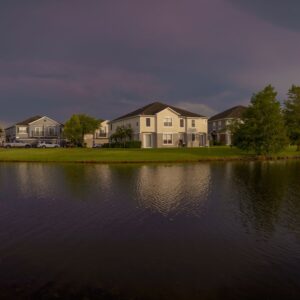

If your dock rocks when you walk across it, or the pilings look leaned since last year’s storm season, Lake George freshwater conditions and the wind chop around Georgetown Marina have likely accelerated the wear. The weed growth and moisture cycling on Georgetown’s waterfront creates unique challenges for wooden structures. This is dock repair in Georgetown, FL territory. Whether your fishing camp dock settles unevenly or your home’s piling feels soft underfoot, the cause is usually below the waterline where you can’t see it. Georgetown sits at the entrance to Lake George, where commercial and residential docks face the same environmental pressures.
A leaning piling often signals wash-around below the mud line, where Lake George’s freshwater and weed growth create hidden rot and settlement. Piling repair typically becomes urgent when multiple pilings shift, tilting the entire deck. If sections of your dock sink or heave after moisture cycling, dock leveling restores safe footing. Bulkhead undermining from wave action and sediment movement is common along fishing camps, and bulkhead reinforcement prevents catastrophic failure. For structures seeing heavy use, cleaning and sealing extends the life of decking exposed to the wind and weed pressures of Lake George.
Georgetown waterfront runs the spectrum from private home docks to fishing camps and the commercial infrastructure around Georgetown Marina. Residential owners of long-run private docks on Lake George often call when pilings settle over decades of moisture cycling and wind load. Fishing camp operators need rapid assessment and marine-grade materials suited to freshwater with weed growth conditions. The rural character of Putnam County waterfront means contractors familiar with local permitting and the specific wear patterns of Lake George conditions make all the difference. We assess what’s actually wrong before recommending a repair plan, whether the dock belongs to a weekend home or a working facility.
If your dock shows signs of settlement, soft decking, or leaning pilings along the St. Johns River entrance near Georgetown, a free assessment tells you exactly what’s wrong and what’s needed. We look at the entire structure, not just what’s visible above water. Bring your photos or a property description. Call for an inspection of your Georgetown waterfront dock, and we’ll identify the root cause before quoting repairs.
A leaning or visibly shifted piling is the clearest sign, especially if it tilted after a storm season. Boards that feel soft or give underfoot mean moisture and decay have reached the framing. If your dock rocks side-to-side when you walk it, the pilings may have settled or shifted in Lake George’s freshwater sediment, which moves with weed growth and seasonal moisture cycling. Misaligned bulkhead or gaps forming between the cap and pilings also point to foundation problems below the waterline.
The extent of damage below the mud line drives cost more than anything visible. A single leaning piling in freshwater with weed growth may need local bracing, while multiple pilings with rot require piling replacement, which is labor-intensive. Dock size matters, since larger structures mean more decking and fasteners. Material choices for freshwater exposure, like pressure-treated lumber or composite decking, vary in price. The type of foundation and whether the bulkhead has failed also influence scope.
Ideally, schedule dock inspection and repairs during late winter or early spring, before the Northeast Florida hurricane season runs June through November. If your dock is already showing damage, waiting for a convenient season risks structural failure during a storm. Post-storm inspections are critical, since wave action and wind load often reveal hidden piling damage that wasn’t obvious before. Georgetown’s fishing camps and residential docks benefit from pre-season assessment, when you have time to address findings before peak season stress.
The decision depends on what’s actually wrong. If pilings below the mud line are sound but decking is deteriorated, repair wins. If multiple pilings are rotted or leaning in Lake George’s freshwater conditions, replacement becomes cost-effective. A structural assessment identifies whether the frame is salvageable or compromised. If the bulkhead is failing and pilings have settled, replacement may be safer and cleaner than piecemeal repair. For older docks in Putnam County, we map the condition and help you weigh repair cost against replacement timeline.
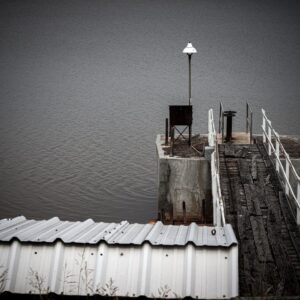
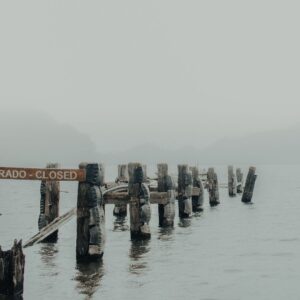
Georgetown’s waterfront docks don’t fail overnight, but they do fail quietly below the waterline. Waiting for visible damage to become critical means bigger costs and more downtime. Whether your dock sits on Lake George as a residential retreat or operates as part of a fishing camp, condition assessment identifies decay and settling patterns early. Contact Docks MD to schedule an inspection, and we’ll walk through exactly what your structure needs.