
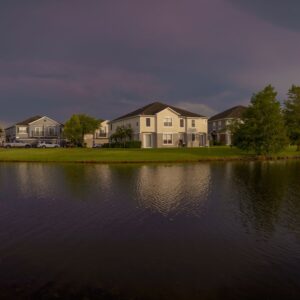

If your dock rocks when you walk across it, or if pilings look leaned since the last storm season, the Intracoastal Waterway may be working against you. Flagler Beach docks sit just across A1A from the Atlantic, exposing them to brackish tidal water with salt-air corrosion and persistent boat wake stress. Wood fasteners corrode, decking splinters, and pilings settle unevenly under these conditions. Many homeowners near Flagler Beach Pier notice their docks need attention after hurricane season passes. Professional dock repair in Flagler Beach, FL starts with understanding what the Intracoastal actually does to your structure.
A leaning piling often signals wash-around below the mud line. If left alone, this eventually pulls your decking out of level, which is when piling repair becomes urgent. Once pilings shift, dock leveling may be needed to restore your walking surface. The brackish tidal water with salt-air corrosion and boat wake stress affecting Flagler County docks means cleaning and sealing work should run on a regular schedule. If you operate a boat lift, cable and motor corrosion happens quickly in this environment. These repairs are interconnected issues, not standalone projects to handle separately.
Residential waterfront homeowners throughout Flagler County need dock work that understands the Intracoastal Waterway environment. HOA-managed waterfront communities near Gamble Rogers State Park often need coordinated repairs across multiple properties, which requires knowledge of local permitting and compliance requirements. Flagler County inspectors have specific standards for dock reconstruction that vary by property type. Marine-grade materials and corrosion-resistant fasteners matter because of brackish tidal water with salt-air corrosion and boat wake stress. After hurricane season passes, many properties need post-storm assessments to determine what actually failed versus what just looks cosmetically worn. That distinction saves homeowners from paying for work that isn’t needed yet.
Your Flagler Beach dock faces unique stresses from the Intracoastal Waterway. Start with a free assessment at your property to see what’s really happening below the surface. We look at pilings, fasteners, and deck condition to understand the problem before quoting anything. Whether your dock sits near Flagler Beach Pier or elsewhere along the waterfront, that diagnostic clarity is where every good repair starts.
Watch for pilings that lean visibly, decking that feels soft or bouncy underfoot, sections that sink lower than surrounding areas, or bulkheads that bow outward. Flagler Beach docks on the Intracoastal Waterway show these signs when brackish tidal water with salt-air corrosion and boat wake stress have done their work. Fasteners corrode beneath the surface long before wood fails visibly. If water pools on your deck after rain or moss grows thick despite cleaning, those signal underlying rot. Flagler County’s boat traffic and storm surge compound these issues. Don’t wait for structural failure to become obvious.
Piling condition below the mud line drives much of the cost. Wood that’s still solid costs less to repair than wood needing full replacement. Dock size matters: a thirty-foot dock versus a sixty-foot dock with the same damage will differ significantly. Material choices reflect your water: Flagler Beach docks need corrosion-resistant fasteners and marine-grade lumber to handle brackish tidal water with salt-air corrosion and boat wake stress. Whether you’re addressing cosmetic deck wear or structural failure makes a difference. Labor for underwater inspection and detailed assessment costs money, but skipping it costs more later.
The safest window for major repairs is late spring before hurricane season arrives in June. Pre-season inspection in May lets you catch problems before storms test your structure. Flagler Beach docks damaged during hurricane season need assessment in November and December to determine if repairs are possible or rebuilding is needed. If you spot problems outside storm season, address them promptly: small damage grows under the Intracoastal’s constant work. Post-storm repairs can wait until emergency work clears, but don’t ignore what you find. Spring is ideal for planning; summer is for emergency-only work.
The decision comes down to piling condition below the mud line. If pilings are sound but fasteners have corroded, repair is usually the answer. If pilings show rot or washout, you may be looking at replacement or major reconstruction. Flagler Beach docks on the Intracoastal Waterway decline gradually: decking fails first, then fasteners, then structural wood. An inspection below the waterline tells you whether the bones are still solid. Replacing good pilings wastes money. Repairing failed pilings will fail again. That assessment step is where you learn which path makes sense for your property.
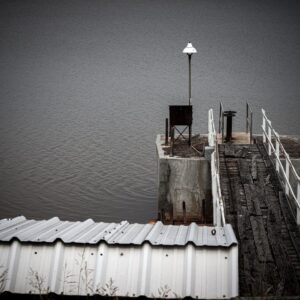
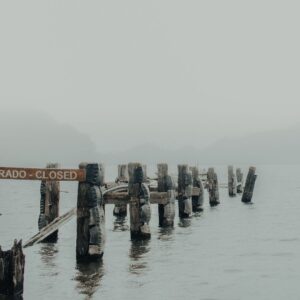
Dock issues in Flagler Beach don’t fit a template. A piling problem near A1A has different causes than one deeper along the Intracoastal. We start every project by asking what you’ve noticed and what the water conditions have done to your specific structure. From there, the assessment drives the repair plan, not the other way around. Professional dock repair in Flagler Beach starts with understanding what’s actually wrong before quoting. That keeps you from overpaying for work you don’t need.