
If your dock rocks when you walk across it or pilings look leaned since the last storm season, the Halifax River’s brackish tidal water has likely accelerated decay below the waterline. Daytona Beach docks face constant salt-air corrosion and boat wake stress, especially along the high-traffic corridor near the Main Street Bridge. Soft decking, uneven sections, or shifted pilings are signs that rust and moisture have compromised the frame. We assess dock repair in Daytona Beach by checking piling integrity below the mud line, framing fasteners, and decking scope. A clear diagnosis shows exactly what failed and why.
A leaning piling often signals wash-around below the mud line, which eventually pulls the entire decking out of level. Piling repair stops that downward cascade before it spreads. If the dock has sunk unevenly or settled after storm surge, dock leveling restores safe walkability. Seawalls reinforcing Daytona Beach’s Halifax River frontage can crack or undermine from brackish tidal water and continuous boat wake stress, requiring professional seawall reinforcement. Decking that feels soft underfoot means fasteners beneath are rusted through. Cleaning and sealing extends decking life by stopping moisture from penetrating wood and fasteners underneath.
Daytona Beach docks span residential single-family homes near the Boardwalk, multi-family rental properties, and commercial fishing or charter operations. Each has different repair priorities. HOA-managed waterfront developments along Halifax River face permitting through Volusia County and compliance requirements that slow repairs if not handled correctly. We work with marine-grade materials rated for brackish tidal water with salt-air corrosion and boat wake stress, not standard lumber. After Northeast Florida’s hurricane season, we assess damage quickly to identify what can be salvaged versus what needs full replacement. Knowing the difference saves time and money.
Start with a free assessment. We’ll walk your dock with you, check what’s actually wrong, and show you exactly what needs fixing before quoting anything. No guesses, no upselling. If your dock shows damage along the Daytona Beach Pier area or anywhere on Halifax River waterfront in Volusia County, send photos or call for an initial evaluation. We diagnose first.
A leaning piling that wasn’t tilted before is a clear sign. Decking that feels soft or spongy underfoot, especially near fasteners, means moisture has penetrated the wood. Seawall caps that are cracked or separating indicate undermining from brackish tidal water and boat wake stress. If sections of the dock have settled unevenly after a storm, or if the entire structure rocks when you walk across it, piling decay or soil movement below the mud line is likely. The Halifax River’s constant salt-air corrosion speeds all these failures.
Repair scope drives cost more than anything else. A single rotted piling costs differently than a dock that has settled across multiple sections. Marine-grade materials for brackish tidal water with salt-air corrosion cost more than standard lumber, but last years longer in Daytona Beach’s environment. Dock size matters: a small residential dock uses less material and labor than a large commercial slip. Accessibility also affects pricing. If the dock is damaged below the waterline or hard to reach near the Main Street Bridge, the job takes longer. Piling deterioration and soil conditions add to the scope.
The best time to repair is before hurricane season starts in June. If you inspect in spring, you have time to finish repairs before the June to November window when storms accelerate damage. If damage happens during or after the season, post-storm repairs should start once access is safe. Waiting allows brackish tidal water and moisture to spread decay into the frame and pilings. Winter after the storm season ends is also good for repairs since water levels stabilize and boat traffic is lighter along Halifax River. Schedule inspections each spring to catch problems early.
The answer depends on piling integrity below the mud line and framing condition. A dock with one or two rotted pilings and a sound frame can be repaired. If pilings are widely decayed or the frame is split or heavily corroded from salt-air exposure in Daytona Beach’s brackish tidal water, replacement makes more sense. Decking alone can be replaced without touching pilings if the structure underneath is solid. The only way to know which path is right is to assess what’s failed. We inspect below the waterline, identify which components are salvageable, and show you repair versus replace options.
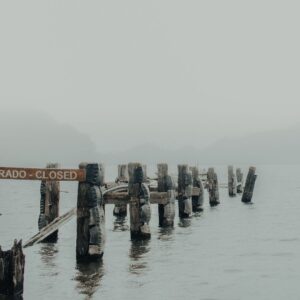
Dock problems don’t fix themselves, and brackish tidal water accelerates damage once decay starts. Whether your issue is a leaning piling, soft decking, or a cracked seawall near the Boardwalk, the first step is always diagnosis. We inspect the frame, fasteners, and piling integrity below the waterline to identify what’s salvageable. Once we know the scope, you get a clear path forward. Contact us to schedule an evaluation and learn what your Daytona Beach dock actually needs.