
If your dock rocks when you walk across it, or if boards feel soft underfoot after a wet season, Halifax River’s brackish tidal water is likely at work. Daytona Beach Shores sits between the Atlantic and the river, getting full Atlantic salt-air exposure even though it fronts calmer water. Storm surge and tidal swings accelerate wood rot and fastener corrosion. Whether your dock is near Sun Splash Park or in one of the residential neighborhoods, the environment is the same. Dock repair in Daytona Beach Shores, FL means understanding how salt-air corrosion and boat wake stress wear pilings and decking year-round.
A leaning piling often signals wash-around below the mud line, which eventually pulls decking out of level. This is where piling repair becomes critical on Halifax River, where brackish tidal water and boat wake stress work faster than in freshwater. If your decking sinks in spots, your sea wall or bulkhead is probably undermining. Soft boards underfoot usually mean moisture has reached fasteners, and dock leveling or cleaning and sealing can slow decay. A raised boat lift cradle signals cable damage or motor wear, which accelerates in corrosive conditions. Identify which problem is yours, and you stop it sooner.
We work with residential homeowners, HOA-managed waterfront communities, and semi-private docks throughout Daytona Beach Shores. Whether your deck overlooks Sun Splash Park or sits in one of the established neighborhoods, we understand Volusia County waterfront permitting and the specific demands of brackish tidal water with salt-air corrosion and boat wake stress. We specify marine-grade materials that hold up to storm surge and salt-air exposure. We also conduct hurricane damage assessments after Northeast Florida storm season, identifying problems that insurance might miss. Our focus is diagnostic: we assess what’s actually failing below the waterline before quoting, which saves homeowners from expensive surprises.
Call for a free assessment of your Daytona Beach Shores dock. We’ll walk the deck and pilings, look for soft spots and leaning posts, and identify what needs attention. Whether your dock is near Sun Splash Park or elsewhere along the Halifax, we start by diagnosing what’s actually wrong. No guessing, no upselling, just an honest assessment and a clear quote.
If your dock rocks when you walk across it, that’s a sign pilings have shifted or weakened. Decking that feels soft underfoot usually means moisture has reached fasteners underneath, a common problem in Halifax River’s brackish tidal water where salt-air corrosion accelerates decay. Visible leaning in one or more pilings signals they’re eroding below the mud line. Uneven sections or sunken areas after a storm season often point to piling settlement or sinking in softer Volusia County soil. Any of these warrant an assessment.
The scope of damage determines most of the cost. If only fasteners have corroded and boards are intact, the repair is straightforward. If pilings are rotting, the work expands. Dock size matters: a residential pier costs more than a small slip dock. Materials in Daytona Beach Shores demand marine-grade specifications that resist brackish tidal water with salt-air corrosion and boat wake stress. Whether your deck overlooks a calm neighborhood or an exposed section of the Halifax factors in, since exposed areas need heavier materials. A thorough assessment reveals which factors apply to your dock.
June through November is Northeast Florida hurricane season, when storms and surge accelerate decay. The best time to repair is late spring or early summer, before high water and storm season arrive. If your dock sustained visible damage in a recent storm, repairs should happen soon, before brackish tidal water and salt-air corrosion deepen it. Post-storm assessment in September or October can reveal problems invisible from above, like pilings that shifted below the mud line. Many Daytona Beach Shores homeowners schedule repairs in spring to prepare for the heavy storm months ahead.
The decision depends on what’s failing below the waterline. If only decking is soft or fasteners are corroded, repair usually makes sense. If pilings are rotting or leaning, replacement might be smarter. Soil condition matters: in Volusia County, some pilings settle faster, affecting repair durability. The easiest way to know is to assess what you have. Have someone look at piling condition below the mud line, framing integrity, and decking scope. Once you know the facts, the choice between repair and replacement becomes clear. Many Daytona Beach Shores docks are worth repairing. Some need replacement. Assessment decides.
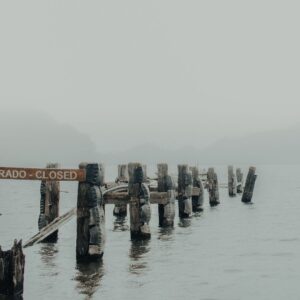
You know your dock is struggling. The pilings lean, the decking soft, or sections sink. What you don’t know is whether it’s worth repairing or if replacement makes sense. That’s what our assessment answers. We serve Daytona Beach Shores waterfront from residential homes to commercial piers. Contact us for a free walkthrough of your dock near Sun Splash Park or anywhere in Volusia County. We diagnose first, give clear quotes second, and build only what your dock actually needs.