
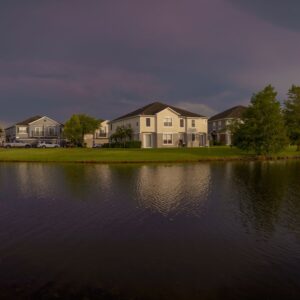

If your dock feels unstable when you walk across it, or if pilings along the St. Johns River appear to lean following storm season, you’re seeing the effects of freshwater cycling and weed accumulation that Buffalo Bluff waterfront properties face year-round. The Cross Florida Barge Canal’s commercial traffic and the river’s moisture patterns combine to wear decking and shift foundations faster than many waterfront owners expect. What looks like minor movement today often becomes serious piling or framing damage by next season. Our approach to dock repair in Buffalo Bluff FL starts with understanding what the St. Johns River actually does to wood, metal, and fasteners over time.
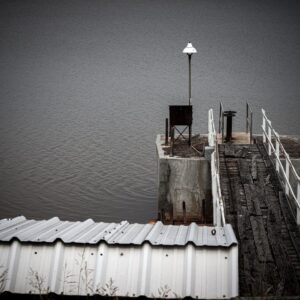
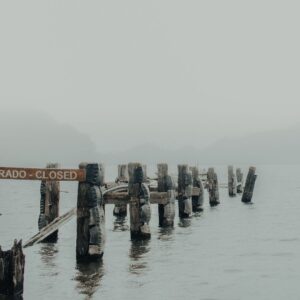
A leaning piling often signals wash-around below the mud line, which eventually pulls the decking out of level. If boards feel soft underfoot, moisture from the St. Johns River’s weed-heavy water has reached fasteners underneath. Uneven decking after wind chop or storm activity points to dock leveling needs, while corroded cradles signal boat lift repair requirements. Bulkhead undermining is common on older structures along the canal. We diagnose which damage is structural, then move to piling repair, sea wall work, or cleaning and sealing to match what your dock actually needs.
Whether you own a residential property near Buffalo Bluff Bridge or manage commercial docks on the Cross Florida Barge Canal, we work with Putnam County waterfront realities. Homeowners here typically have longer dock runs and older structures needing structural refurbishment. We understand post-hurricane assessments, local permitting, and material choices that hold up to the St. Johns River’s freshwater cycling and weed growth. HOA-managed waterfront properties benefit from our diagnostic approach: we assess damage clearly, identify what needs immediate attention versus phased work, and specify marine-grade materials built for this river’s conditions and moisture patterns.
Wind chop and freshwater cycles move faster than most Buffalo Bluff property owners realize. Schedule a free assessment of your dock near Buffalo Bluff Bridge or along the canal, and we’ll tell you exactly what’s happening below the waterline and in your piling structure. We assess what’s actually wrong before quoting any work. Most owners are surprised by how much the St. Johns River has already shifted their foundation.
A leaning piling is the most obvious sign, but softer clues appear first. Boards that feel bouncy or soft underfoot usually mean the St. Johns River’s freshwater has reached fasteners beneath the decking. Uneven surfaces after wind chop or rain cycles often point to settling pilings. Gaps between sections that weren’t there last season signal movement in the foundation. On older docks near Buffalo Bluff Bridge, cap cracks or bulkhead separation indicate water pressure and undermining. Early detection of these symptoms prevents larger structural failures.
Damage type matters most: a single leaning piling repair differs vastly from bulkhead undermining that spans the entire canal-side face. Dock size and material choice play roles, too. Marine-grade lumber costs more than pressure-treated but lasts longer in the St. Johns River’s freshwater and weed environment. Scope of work below the waterline also affects labor and materials. An assessment reveals whether you need minor fastener replacement or major piling work. Freshwater cycling damage is often deeper than it appears, so diagnosis shapes the real cost picture.
June through November is Northeast Florida’s hurricane and high-wind season, making pre-season inspection wise. Many Buffalo Bluff property owners schedule repairs in spring so damage is addressed before summer stress. Post-storm assessments are critical if your dock has moved or decking has shifted. Winter water levels can be lower on the St. Johns River, sometimes making piling work easier, though freshwater weed accumulation is year-round. The best time is after inspection reveals what’s actually wrong. Delaying piling or bulkhead repair often makes the damage worse by next season.
The decision hinges on piling condition below the mud line and framing integrity. If pilings are sound but decking is soft, repair makes sense. Deep piling rot or leaning that won’t stabilize often signal replacement needs. On older Buffalo Bluff properties, refurbishment is often the middle path: repair the frame and pilings, replace only the decking. We assess damage thoroughly before recommending either approach. Freshwater exposure on the St. Johns River means damage can hide below the surface, so diagnostics come first. Many docks last longer with targeted repairs.
Dock problems in Buffalo Bluff compound faster than anywhere else along this section of the St. Johns River. Whether you’re seeing soft decking, leaning pilings, or movement around the Cross Florida Barge Canal, the first step is understanding what’s actually damaged and what’s worth repairing. We provide that clarity before you decide on work scope or materials. Water damage spreads quietly in freshwater environments, so catching it early saves money and safety later.