
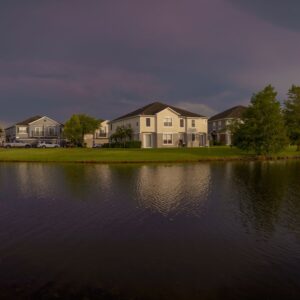

If your dock rocks when you walk across it, or pilings have leaned since last storm season, the Intracoastal Waterway’s brackish tidal water and salt-air corrosion have likely shifted your structure. Soft decking underfoot, sinking sections, and bulkheads pulling away from their caps all signal what constant boat wake stress and moisture do below the mud line. Atlantic Beach waterfront homes near Hanna Park and throughout the area deal with these failures regularly. Reliable dock repair in Atlantic Beach, FL starts by understanding what the water is actually doing, not just fixing what you see above the surface.
A leaning piling often signals wash-around below the mud line, which eventually pulls decking out of level. Piling repair on the Intracoastal becomes critical once rot or settlement starts. Soft boards underfoot usually mean moisture has reached fasteners underneath, calling for dock leveling and sometimes cleaning and sealing to preserve decking. Bulkheads that lean or show cap cracks need sea wall repair before they fail completely. Boat lift cable and motor wear follow the same pattern as pilings in brackish tidal water with salt-air corrosion and boat wake stress. Early repair beats waiting for complete failure.
Atlantic Beach waterfront varies: established residential homes along Hanna Park need different repairs than newer builds near Atlantic Beach Town Center, and HOA-managed properties demand documentation and schedule coordination. We navigate Duval County permitting requirements that differ from inland repairs, where brackish tidal water and salt-air corrosion mean material choices matter. Storm season typically runs June through November across Northeast Florida, leaving many homeowners assessing hurricane damage and planning reinforcement work. Whether your dock is fifteen years old with compromised pilings or newly built and damaged by summer squalls, we start with the same diagnostic: what’s actually wrong, what materials the Intracoastal environment requires, and what repair scope makes sense.
Schedule a free assessment of your Atlantic Beach dock to understand what the Intracoastal Waterway is actually doing to your pilings and framing below the mud line. We evaluate structural damage, material condition, and what repair options make sense for your property near Hanna Park or anywhere in Atlantic Beach. Our first step is always diagnosis: no pressure quotes, just clear findings on what’s wrong and what fix actually matters.
Watch for docks that rock when you walk across them, pilings that lean away from vertical, and decking boards that feel soft or spongy underfoot. Bulkheads pulling away from their caps and uneven surfaces are also red flags. The brackish tidal water of the Intracoastal Waterway accelerates rot and corrosion throughout your structure. If you notice these symptoms at your Atlantic Beach property, damage likely extends below the mud line where visual inspection can’t reach. Settlement, rot, and loosened fasteners progress quickly in Duval County’s salt environment. Prompt assessment prevents expensive replacements.
Repair costs depend on what’s actually wrong. A single rotted piling costs less than reinforcing multiple pilings below the mud line, and decking replacement runs different scope than fastener replacement. Dock size matters too: a small residential dock on the Intracoastal runs shorter repair hours than a larger waterfront home setup. Material choices are dictated by your local environment: the brackish tidal water with salt-air corrosion and boat wake stress means marine-grade hardware and pressure-treated lumber can’t be skipped. Storm damage accelerates failure timelines, and Duval County permitting adds coordination time. Early diagnosis prevents surprises.
The best time to repair your Atlantic Beach dock is before the next crisis. If storm damage is visible, repair soon rather than hoping it stabilizes. Duval County hurricane season runs June through November, making spring the prime window for inspection and non-emergency repairs. Post-storm assessment is essential: piling settlement, bulkhead shifts, and hidden damage often appear after wind and surge. Water temperature and weather in fall and winter allow repair work without the rush of approaching storm season. Early assessment in spring or summer lets you plan repairs before peak demand.
The decision depends on what’s actually wrong. If pilings below the mud line are sound and only decking is compromised, targeted repair on the Intracoastal makes sense. If multiple pilings show rot or structural failure, or if a piling has shifted, repair scope grows toward replacement cost. Frame integrity is critical: a dock with solid pilings but failed fasteners and decking can often be salvaged affordably. Bulkhead undermining and settlement patterns also influence the choice. An honest assessment tells you whether your Atlantic Beach dock can be repaired or whether replacement is more practical. Diagnosis always comes first.
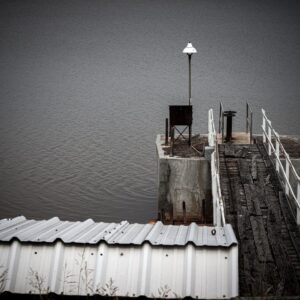

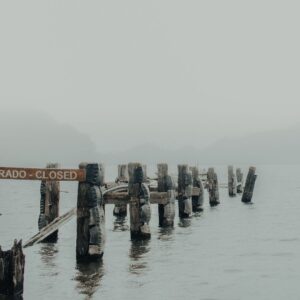
Dock failures on the Intracoastal don’t wait: pilings settle, decking softens, boat wakes stress fasteners, and each storm season compounds the damage. If you’ve noticed problems at your Atlantic Beach property near Atlantic Beach Town Center or anywhere along the waterway, an honest assessment is your first step. We identify what brackish tidal water and salt-air corrosion have actually done to your structure, then explain exactly what repair scope protects your investment. Waiting only makes repairs more expensive.