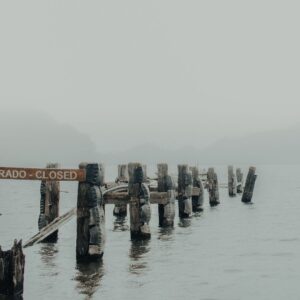
If your dock rocks when you walk across it or pilings look leaned since the last storm season, the St. Johns River’s combination of freshwater with persistent weed growth and wind chop is likely at work. Water-level cycling, moisture trapped under decking, and the wear pattern typical around Lake George and the Astor Bridge means older dock structures settle unevenly or see fasteners corrode faster than expected. Our dock repair in Astor, FL addresses exactly these conditions: we assess what’s actually failing rather than replacing what may only need targeted reinforcement.
A leaning piling often signals wash-around below the mud line, eventually pulling decking out of level. Our piling repair service assesses alignment and rot, paired with dock leveling to restore proper slope. The St. Johns River’s constant moisture cycling means boards feel soft underfoot before visible damage appears. We address this through cleaning and sealing. Sea wall and bulkhead failures stem from undermining where river patterns and weed growth erode the base. Even boat lift cable or motor trouble traces to corrosion from freshwater exposure and humidity swings.
We work on private residential docks around Lake George, fishing camp structures built to last decades, and HOA-managed waterfront properties where Lake County permitting is essential. We’re familiar with Northeast Florida regulatory requirements for waterfront repair and source materials rated for freshwater exposure with persistent weed growth. Post-hurricane assessments are routine after storm season, and we stock marine-grade fasteners and lumber for the St. Johns River environment. Whether your dock has shifted a few inches or shows decay throughout, we evaluate the structural reality before recommending targeted repair or staged replacement.
If your dock around Lake George shows settlement, soft decking, or leaning pilings, we’ll assess it on site and identify exactly what’s failing and why. We evaluate the structural reality before quoting, so you’re not paying for guesswork. Call or email to schedule a free assessment in Astor.
Leaning or shifted pilings, soft or spongy decking underfoot, sunken sections that pool water, and bulkhead cracks or tilting often point to St. Johns River moisture cycling and weed-growth wear. Pilings that look out of plumb after storm season or decking that rocks when you walk across it are urgent. All of these failures accelerate in freshwater environments with the seasonal water-level swings typical on the St. Johns River.
Piling rot depth, the number of pilings needing replacement or reinforcement, decking board count and lumber grade, and whether you opt for marine-grade fasteners or standard hardware all shift the scope. Dock length and width matter, as do seasonal factors like access during low water. Freshwater exposure with weed growth requires material specs that cost more upfront but last longer in the St. Johns River environment. We assess the full picture and quote accordingly.
Pre-hurricane inspection in May or early June catches decay before storm stress accelerates damage. After any significant storm event between June and November, a structural walk-through is wise to spot new settlement or piling shifts. Off-season repairs from December through April avoid the heating, heavy water-level swings, and weed-growth surges of summer on the St. Johns River. However, urgent safety issues like cracked bulkheads or severely leaning pilings should not wait. We work year-round.
A dock built in the 1980s with sound pilings below the mud line and solid framing usually needs targeted repair: replace soft decking, reinforce connections, seal against freshwater weed-growth intrusion. A structure with rotted or severely compromised pilings, buckled framing, or missing sections often requires staged replacement. We inspect below the waterline, assess hidden decay, and walk through both paths with cost and timeline before you commit. Most Lake County waterfront docks fall somewhere in between.

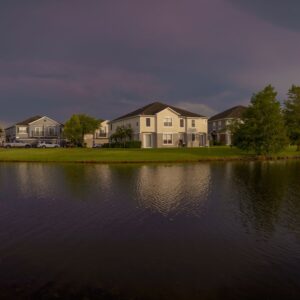
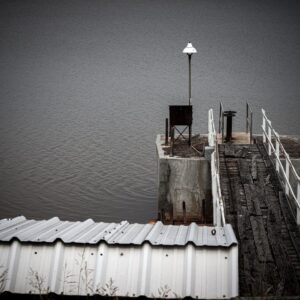
Dock settlement, piling lean, decking soft spots, corrosion, and boat lift trouble all follow predictable patterns in Lake County waterfront. Rather than assume what you need, we visit the dock, assess the underlying damage, walk through what we find, and explain your options. From there you decide. Contact us with your site location near Astor or Lake George, and we’ll schedule a time to visit.