
If your Arlington dock rocks when you walk across it, or if pilings look leaned since the last major storm, the St. Johns River’s brackish tidal water and boat wake stress are likely the culprits. The waterfront along Mill Cove and the Arlington River sees mixed wave action that undermines pilings and weakens framing over time. Salt-air corrosion attacks fasteners hidden underneath the boards, while seawall wash-around destabilizes the entire structure. Dock repair in Arlington means addressing these St. Johns River conditions head-on before a soft board gives way underfoot.
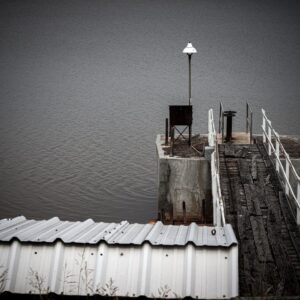
A leaning piling often signals wash-around below the mud line, which eventually pulls the decking out of level. Boards that feel soft underfoot usually mean moisture has reached the fasteners underneath, a common result of brackish tidal water and salt-air corrosion on the St. Johns River. Seawall and bulkhead undermining happens when wave action carves away soil, leaving the cap cracked. Our piling repair addresses the rot at the root, while dock leveling restores sections that have sunk after storm season. Boat lift cables stretch and motors fail from the same saltwater exposure.
We work with residential homeowners, commercial dock operators, and HOA-managed properties throughout Arlington and Jacksonville University’s waterfront. Duval County permitting for waterfront repairs can be complex, especially after Northeast Florida storm season when damage assessments determine what needs fixing first. Marine-grade materials are essential for any dock facing brackish tidal water with salt-air corrosion and boat wake stress like those on the St. Johns River. We know the local permitting process, the material choices that hold up through tidal cycles, and how to prioritize repairs when hurricane damage has left pilings leaning and decking uneven. That familiarity with what happens to Arlington docks year-round matters.
We start every Arlington dock repair with a free assessment. We look below the mud line, check what’s actually wrong, and tell you what needs fixing. Too many property owners around Mill Cove wait until pilings fail. Call us to get ahead of the damage. We’ll quote clearly once we know what the St. Johns River has done to your dock.
A leaning piling is the first sign something is wrong below the waterline. Soft or bouncy decking underfoot means fasteners underneath have corroded or loosened from moisture exposure. Sinking sections after heavy rain or spring tides indicate pilings are settling unevenly. Misaligned bulkheads or seawalls that crack and shift inward signal wash-around from the St. Johns River’s tidal action. Any of these symptoms mean your Arlington dock is compromised. The brackish tidal water and boat wake stress that characterize the river work constantly to weaken wood and fasteners. Don’t wait for complete failure.
Damage type is the biggest factor. A single rotted piling costs less than replacing multiple pilings. Dock size matters: larger docks have more fasteners exposed to salt-air corrosion. Material choice determines longevity when facing brackish tidal water with boat wake stress on the St. Johns River. Your dock’s exposure level and whether pilings are compromised below the mud line affect scope. Storm damage assessment might reveal hidden rot, expanding the repair list. Seawall or bulkhead work adds cost but protects the foundation.
Spring is ideal for dock repair in Arlington, before Northeast Florida’s hurricane season runs June through November. Schedule a pre-season inspection before summer to catch pilings in decay or misaligned bulkheads before water levels rise and wave action intensifies. If storm season has already passed and you’ve noticed new leaning pilings or soft decking, post-storm repairs are urgent. The St. Johns River’s tidal cycles mean damage worsens quickly if pilings are settling. Don’t delay if you spot these problems. The sooner you assess and repair, the less additional water damage spreads.
The answer depends on what’s actually broken below the mud line. A few rotted pilings in an otherwise sound structure might justify repair. If the framing beams have twisted or split from St. Johns River tidal stress, or if pilings are leaning severely, replacement becomes more economical. A full assessment reveals the scope: is the rot isolated or has brackish tidal water weakened the entire frame? Do the fasteners still hold or has salt-air corrosion severed the connection? We diagnose first, then propose repair or replace based on what the water has actually done to your Arlington dock.
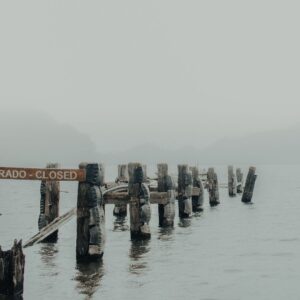
Your Arlington dock won’t wait, and neither should you. From residential decks to commercial operations around the Arlington River, we assess what’s broken before we propose a fix. The St. Johns River’s brackish tidal water and boat wake patterns are unique to this area. We understand how pilings fail here, why seawalls crack, and what materials outlast the salt-air corrosion. Let’s walk your dock together and figure out the real diagnosis.