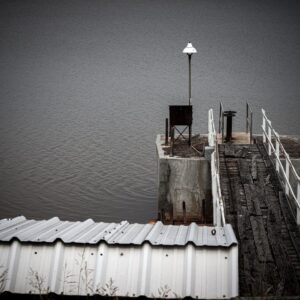
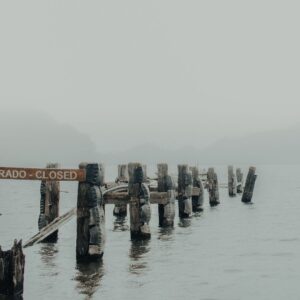
Dock Repair in Amelia Island, FL

If your dock rocks when you walk across it or pilings look leaned after the last storm season, you’re seeing typical wear for Amelia River waterfront. The brackish tidal water combined with boat wake stress means that minor settling often signals deeper piling wash-around or fastener corrosion below the mud line. Properties throughout Nassau County near Fort Clinch State Park and beyond see this pattern constantly. Seasonal storm stress loosens what was solid before, and salt-air exposure accelerates decay faster than it does in other waterfront environments. Dock repair in Amelia Island centers on catching these shifts before they force full replacement.

How Amelia Island Docks Fail in Brackish Water

A leaning piling often signals wash-around below the mud line, which eventually pulls decking out of level. Piling repair addresses that cause. Boards feeling soft underfoot mean moisture reached fasteners underneath; brackish tidal water with salt-air corrosion accelerates that decay faster than homeowners expect. Dock leveling handles settling while bulkhead repair catches vertical creep. If a boat lift cable slips or the motor sounds wrong, that signals the whole structure needs assessment. Each failure mode points to a different repair, but diagnosis comes first.

Amelia River Dock Repairs That Target Root Causes

Who We Serve on Amelia River

We work with residential dock owners throughout Nassau County, from Amelia Island Plantation properties to creek-back builds near Egans Creek. Some bring us existing docks that need piling work after a bad storm season; others are enhancing newer builds with reinforcement before their first hurricane season hits. We’re familiar with Nassau County waterfront permitting and the specific material choices that hold up to brackish tidal water with salt-air corrosion and boat wake stress. Post-storm assessments are part of the rhythm here; we see the damage patterns that follow Northeast Florida storms and know what to prioritize first.

Assess Your Dock Before Storm Season

Get a free dock assessment from someone who’s inspected hundreds of Amelia Island builds. We assess what’s actually wrong before quoting repair scope. Foundations near Fort Clinch and throughout the river see different decay patterns, and we’ll show you what’s happening below the mud line so you understand the repair instead of just paying for it.

Frequently Asked Questions

Amelia Island docks in Nassau County often show warning signs early. Pilings that lean signal wash-around below the mud line, especially in brackish tidal water. Decking that feels soft underfoot means fastener corrosion has started. Misaligned sections after a storm, bulkheads with visible cracks, or water pooling where it didn’t before all point to settling or undermining. The salt-air corrosion and boat wake stress on Amelia River accelerate these failures faster than other waterfront. Regular inspections catch these shifts before they become emergency repairs.

Several factors shape repair scope: whether damage is isolated like a few pilings, or systemic across the structure. Dock size matters. A small creek-back dock requires less material than main river frontage. Marine-grade materials for brackish tidal water affect selection. Accessibility adds complexity; some Amelia Island properties in Nassau County are harder to reach. Post-storm assessments often reveal subsurface damage not visible topside. Thorough inspection always precedes estimate.

Pre-storm inspection in May or June catches problems before hurricane season stress. If your dock survived June through November, a post-season assessment in December often reveals new settlement, piling creep, or water line corrosion. Winter and early spring are ideal for longer repairs. Contractor availability improves, and water levels are more predictable before summer rains and tidal surges. If a storm just hit your Amelia Island waterfront, the assessment window is tight; documentation helps with insurance. Don’t wait for the next major weather event.

The decision depends on what’s actually wrong. If pilings are sound but decking rotted, repair makes sense. If pilings lean or washout is visible, replacement is often cheaper. Framing beneath the deck tells the real story; brackish tidal water and salt-air corrosion weaken fasteners faster than in other environments. A full assessment shows which components are salvageable. Most Amelia Island docks split the difference: replace compromised sections, reinforce sound pilings, upgrade fasteners and sealant. Diagnosis comes first.

Contact Docks MD for Amelia Island Dock Assessment

Docks MD handles piling failure, bulkhead undermining, settling decks, and the secondary damage that follows seasonal storm surge in Nassau County. Schedule an on-site assessment for your Amelia Island waterfront. We’ll inspect the structure, show you the wear patterns specific to your location near Fort Clinch or deeper into Amelia River, and explain repair options that make financial and structural sense. Diagnosis comes before every quote.