
If your dock rocks when you walk across it, or if pilings look noticeably leaned since the last storm season, the underlying structure likely needs attention. Along the south end of Amelia Island, where Nassau Sound meets tidal currents, saltwater works into fasteners and wood faster than inland. Moisture trapped under decking boards, combined with the constant salt air exposure of waterfront life, creates a corrosion environment where repair becomes urgent before the structure settles unevenly. Dock repair in Amelia City often starts with diagnosing whether the problem is piling wash-around, fastener failure, or decking rot. Each points to a different fix.
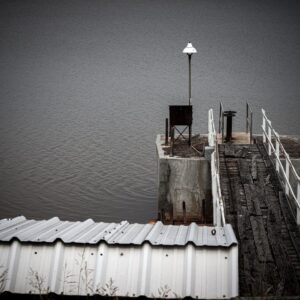
A leaning piling often signals wash-around below the mud line, which pulls decking out of level if unchecked. On Nassau Sound’s full saltwater docks, this pattern repeats frequently because heavy tidal current and salt-air corrosion work on fasteners and wood constantly. Boards that feel soft underfoot mean moisture has reached fasteners underneath, requiring targeted decking preservation or deeper piling repair. Sinking or heaving sections point to piling settlement and often need dock leveling to restore safe passage. Bulkhead cap cracks or undermining require sea wall work to prevent erosion.
Amelia City’s waterfront has established residential docks along Nassau Sound, many built decades ago and requiring refurbishment rather than replacement. We work with private homeowners and HOA-managed communities around A1A south and southern Amelia Island. Familiar with Nassau County waterfront permitting and using marine-grade materials for full saltwater conditions with heavy tidal current and salt-air corrosion, we handle the specific challenges of longer, older dock runs. We also conduct hurricane damage assessments after Northeast Florida storm season, helping owners understand whether repairs will hold through the next cycle or if rebuilding makes better sense.
Before the next storm season, request a free dock assessment in Amelia City to identify what’s actually wrong before we quote any repair work. We walk your dock from the shoreline along A1A south, checking pilings, fasteners, decking, and bulkhead condition against Nassau Sound’s unique corrosion patterns. You’ll have clarity on scope and urgency, not a surprise estimate or pressure to over-build.
Watch for pilings that lean visibly away from vertical, especially after storm events. Boards that feel soft or spongy underfoot signal moisture damage to the substructure. Uneven sections where the dock surface sits lower on one end or side suggest piling settlement. If your bulkhead cap shows cracks or the wall leans away from the bank, the structure underneath has been compromised. On Nassau Sound, where full saltwater and heavy tidal current create constant pressure and corrosion, these signs appear quickly and demand attention before failure spreads. A walkthrough reveals which issue is affecting you.
Repair scope hinges on how deep the damage runs. A single rotted piling requires different materials and labor than replacing fasteners across the entire deck. Dock size matters: longer runs with more pilings cost more than small residential docks. Material grade is critical in Amelia City. Full saltwater exposure with heavy tidal current and salt-air corrosion means fasteners must be stainless steel or coated, and decking may need pressure-treated lumber or composites. The extent of piling damage below the mud line is often the biggest cost driver because accessing submerged portions requires specialized techniques.
Timing splits two ways. Pre-storm season, roughly March through May, is ideal for repairs because water conditions are calmer and crews can work safely. Post-storm inspection is equally critical: after nor’easters or hurricanes during the Northeast Florida season (June through November), assess your dock immediately. Many Amelia City owners schedule repairs in late spring to be ready before the heavy weather window. If you see obvious damage, don’t wait for perfect weather. Corrosion and moisture accelerate failure, and delaying inspection turns a manageable repair into a more complex rebuild.
The decision depends on what’s broken. If pilings below the mud line are rotting or leaning, replacement is often necessary because they bear the whole structure. If fasteners are failing but pilings are sound, repair makes sense. Framing integrity around supporting stringers and cross-members, visible from underneath, guides the call. Small decking patches are repairs; widespread rot suggests rebuilding. In Amelia City, where Nassau Sound’s full saltwater and heavy tidal current accelerate corrosion, we inspect the substructure thoroughly before recommending either path. An assessment prevents guessing and ensures the solution matches the actual damage.
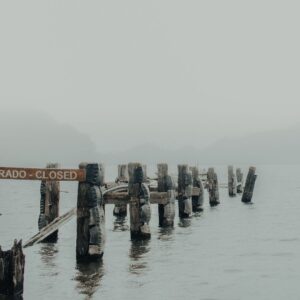
Your dock tells a story through its condition. On the waterfront where Nassau Sound meets Amelia Island’s south end, corrosion is relentless and patience costs you later in the season. Whether you’re along A1A or deeper into the private dock landscape, we assess first and quote clearly. No surprise proposals, no pressure to replace what should be repaired. Call for your Amelia City dock evaluation and find out what’s actually needed.