
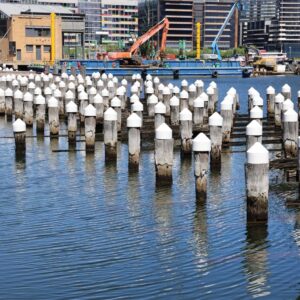

For Wilbur-by-the-Sea waterfront owners, the first construction decision is site character. The Halifax River here is brackish tidal water with substantial salt-air corrosion and boat wake stress that shapes material selection and piling strategy. Sitting between Daytona Shores and Ponce Inlet along A1A, most residential docks on longer lots benefit from custom-built pilings and decking rated for that exposure. A dock builder in Wilbur-by-the-Sea needs to understand how Volusia County shoreline permits flow and how the water’s character drives durability choices. That assessment comes first, before any construction starts.
Adding to a working dock is often more cost-effective than starting fresh. New construction starts with a shoreline assessment and permit coordination with Volusia County, then moves to piling and decking installation. For properties with older structures, a dock inspection clarifies what repair versus replacement makes sense. The Halifax River’s brackish tidal water with salt-air corrosion and boat wake stress means hardware grade and decking material choices matter. Whether you’re adding boat lift installation, shoreline reinforcement, or dock enhancement, scoping the work first shapes realistic timelines.
We work with residential homeowners who own waterfront lots along Halifax River in Wilbur-by-the-Sea, where custom construction and replacement are the norm. Projects range from dock additions near Ponce Inlet to full rebuilds rated for those conditions. We’re familiar with Volusia County shoreline permitting and coordinate with hurricane-season planning when needed. Whether a project is dock replacement, boat lift addition, or enhancement, we assess the site first, recommend marine-grade materials matched to the water’s character, and build clear timelines. Most Wilbur-by-the-Sea builds involve phased construction to manage logistics on private property.
Start with a site visit and consultation. We walk your Halifax River frontage, review your project goals, and outline realistic materials and timelines before quoting any work. Wilbur-by-the-Sea properties along A1A often benefit from a clear plan that accounts for brackish tidal water conditions and permit requirements. A conversation first ensures you understand what construction involves and what to expect.
A new dock build starts with a site assessment where we evaluate the Halifax River bottom, piling requirements, waterline dynamics, and permit implications for your Wilbur-by-the-Sea property. Volusia County requires shoreline work permits, which we coordinate while reviewing construction sequencing and material selection. From there, piling installation and decking follow, typically phased to work around waterway traffic near Ponce Inlet and existing shoreline conditions. The whole process accounts for these waterway characteristics, which shape hardware and decking material choices.
A few factors shape the scope and therefore the overall budget for dock construction in Wilbur-by-the-Sea: dock length and width, piling depth required by soil and permit conditions, whether the build includes new pilings or pilings replacement, decking material grade, hardware specifications for the local waterway environment, and whether the project adds a boat lift, seawall, or other shore enhancements. Each of these decisions flows from the site assessment and permit requirements. We evaluate them together so you understand why material selection and construction sequencing drive the full project scope.
Permit approval from Volusia County typically takes 3-6 weeks once we submit the complete application and environmental review for your Halifax River shoreline work. Construction itself varies by scope: a straightforward dock rebuild may take 4-8 weeks, while a full new build with boat lift or seawall can run 10-14 weeks or longer depending on material sourcing and site conditions. Northeast Florida’s hurricane season (June through November) affects scheduling and material delivery. Most Wilbur-by-the-Sea projects are planned to start outside the high-risk months or sequenced with temporary protection during the active season.
Material selection depends on project type and site conditions. Pilings can be pressure-treated timber, concrete, or composite depending on soil composition and permit requirements for Halifax River work. Decking options include pressure-treated wood, composite materials, or hardwood, each with different durability and maintenance profiles. Hardware and fasteners must be stainless steel or marine-grade galvanized for the those conditions here in Wilbur-by-the-Sea. We assess your site, review environmental conditions, and recommend the material combination that balances durability, maintenance, and long-term value for your waterfront.
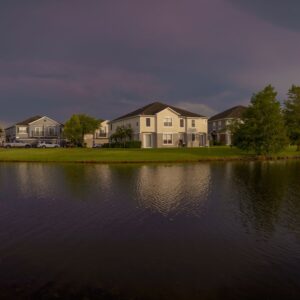
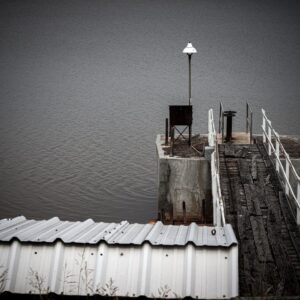

Dock work on Halifax River requires a builder who understands brackish tidal water dynamics and Volusia County permitting timelines. When you’re ready to discuss your dock, boat lift, or enhancement project on your Wilbur-by-the-Sea waterfront near Ponce Inlet, we start with a walkthrough and honest assessment. No quick quotes without understanding the site. Contact us to arrange a consultation and get clear on costs and timeline for your build.