
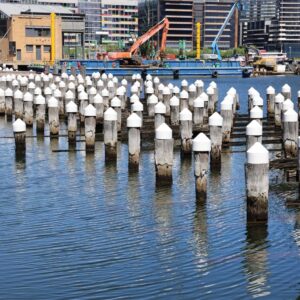

Before any deposit changes hands on a St. Augustine dock project, the site should be walked and the scope written clearly. St. Augustine’s waterfront landscape shapes every decision from piling depth to decking material. The brackish tidal water in our area creates salt-air corrosion pressures and boat wake stress that demand careful material selection. Near landmarks like the Bridge of Lions, historic waterfront projects layer in city preservation coordination alongside marine construction standards. A dock builder in St. Augustine navigates both the environmental conditions and the regulatory landscape to ensure your project starts right and lasts.
Adding to a working dock is often more cost-effective than starting fresh. If you’re looking at shoreline work, a new sea wall or bulkhead addresses erosion while creating a stable foundation for dock framing. The brackish tidal water of Matanzas River with its salt-air corrosion and boat wake stress means material choices matter: pressure-treated pilings, marine-grade hardware, and composite decking each have different lifespans and maintenance profiles. Many St. Augustine projects also benefit from dock inspection services before construction and storm readiness planning as we approach hurricane season.
Residential waterfront owners from single-family homes near the Bridge of Lions to multi-family complexes along the Matanzas River trust us to navigate both the engineering and the regulatory side. St. Johns County shoreline permitting, especially in the historic district, requires coordinated workflows between city preservation offices and state marine construction standards. We work with property owners, HOA boards, and commercial operators who understand that brackish tidal water with salt-air corrosion and boat wake stress demands marine-grade materials and foresighted maintenance planning. Many of our clients schedule dock work well ahead of hurricane season, building in consultation rather than crisis.
Ready to build or upgrade? We start every project at the site, walking your waterfront property near Castillo de San Marcos or along the Matanzas River to understand exact conditions, permit requirements, and your goals. From there, we outline realistic material choices, construction timelines, and next steps before any quote. Reach out for a free consultation and let’s discuss your dock project.
Building a new dock in St. Augustine starts with a site assessment to evaluate piling depth, Matanzas River tidal conditions, and structural load. You’ll work with St. Johns County permitting, which typically coordinates shoreline work through city preservation standards if your property sits in the historic district. The construction sequence covers piling installation, framing, decking, and finishing hardware. Timeline depends on permit approval, site conditions, and whether you’re adding a boat lift or bulkhead work alongside the main structure.
The main cost drivers are dock size, piling depth relative to your shoreline profile, and material selection for the brackish tidal water with its salt-air corrosion and boat wake stress conditions. Pressure-treated pilings and hardware cost differently than concrete options. Decking materials range from pressure-treated wood to composite to hardwood, each with different lifespans. Whether your project includes a boat lift, new bulkhead installation, or enhanced storm-readiness features also affects scope and materials. Site access and permit complexity can influence scheduling and labor phases.
St. Johns County permit approval typically takes three to eight weeks depending on complexity and whether historic district coordination is required. Once permits clear, construction duration depends on dock size and scope. A straightforward residential dock might take two to four weeks on-site, while larger projects with bulkhead work or boat lift installation extend that timeline. Many St. Augustine projects schedule work to avoid hurricane season, which runs June through November. Planning ahead gives you a smoother build cycle and better material availability.
Material selection depends on your dock’s location, load requirements, and long-term maintenance expectations. Pilings can be pressure-treated wood, concrete, or composite options, each suited to different depths and Matanzas River tidal conditions. Decking ranges from pressure-treated lumber to composite to hardwood, offering different durability against the brackish tidal water’s salt-air corrosion and boat wake stress. Hardware must be marine-grade stainless steel to withstand corrosion exposure. We assess your site and project scope first, then recommend materials that match both your budget priorities and the environmental demands of St. Augustine’s waterfront.
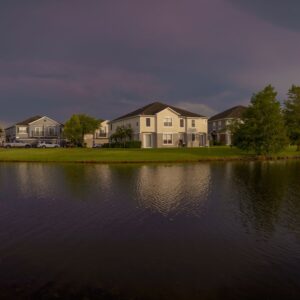
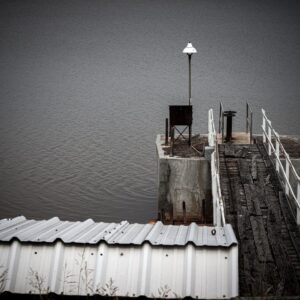
We’re ready to assess your St. Augustine waterfront property, whether it’s a single-family dock near the historic district or a commercial slip operation. The conversation starts with a site walk and a clear-eyed look at what your dock needs to handle: Matanzas River tidal flows, seasonal storm exposure, and the materials that work best for your project scope. Call or email Docks MD to schedule that first consultation and get a straightforward outline of your construction path forward.