
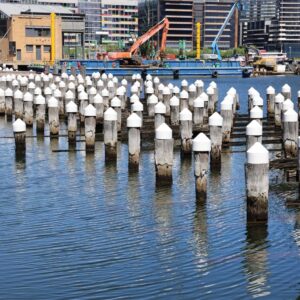

Planning a new dock on Intracoastal Waterway starts with understanding how your St. Augustine Beach shoreline behaves. St. Augustine Beach’s waterfront presents specific construction challenges worth understanding upfront. The brackish tidal water here, combined with persistent salt-air corrosion and the boat wake stress from regular traffic, means your dock materials and piling depth need careful assessment from the start. Whether you’re near A1A Beach Boulevard or inland along the Intracoastal, a dock builder in St. Augustine Beach FL should understand these local waterfront conditions before breaking ground on your project.
Whether you need a new structure or are working with what exists, the projects we see most often in St. Augustine Beach break into distinct categories. A dock enhancement can extend an existing structure, add a boat lift, or replace deteriorated pilings in phases. New construction requires depth assessment for the brackish tidal conditions here and piling installation that resists both corrosion and boat wake stress from Intracoastal traffic. Seawall or bulkhead work often pairs with dock builds for St. Johns County waterfront homes. Pre-construction inspections show you what you’re actually working with before committing.
From residential waterfront homes near A1A Beach Boulevard to semi-private HOA-managed docks along the Intracoastal, the St. Augustine Beach waterfront includes established structures and newer builds alike. We work with homeowners planning their first dock, property managers overseeing community shoreline, and commercial waterfront users. Familiar with St. Johns County shoreline permitting timelines, we select marine-grade materials that hold up to brackish tidal water, salt-air corrosion, and constant boat wake stress. Many clients include hurricane-season hardening as part of the initial scope. We walk existing docks, assess piling condition, and outline what’s realistic before quoting.
Ready to explore dock construction on the Intracoastal? We walk the waterfront near your property, review your project goals, and outline realistic materials and timelines before quoting anything. Whether you’re building near the St. Johns County Ocean & Fishing Pier or elsewhere in St. Augustine Beach, a free consultation clarifies scope, material choices, and cost drivers up front so you know what to expect.
Building a new dock on the Intracoastal starts with site assessment to understand piling depth requirements, mud-line character, and any existing bulkhead conditions. From there, the St. Johns County permit workflow typically involves shoreline and environmental review before construction begins. Once permits clear, installation focuses on driving pilings deep enough to resist tidal movement and corrosion, then setting decking and hardware that can withstand salt-air exposure and boat wake stress. The timeline depends on permit approval, property access, and whether you’re including additions like boat lifts or seawall work.
A dock’s footprint and length directly drive material quantity, as does piling depth, which depends on the Intracoastal’s brackish tidal character and mud-line composition. Decking choice matters too: pressure-treated wood costs differently than composite or hardwood, and all require hardware rated for salt-air corrosion. Whether the project includes a boat lift, seawall, or bulkhead work adds scope and materials. Permitting timelines in St. Johns County can push scheduling if environmental review takes longer than expected. Site access and existing dock condition also influence labor and material planning.
Permitting in St. Johns County typically takes several weeks depending on environmental assessment scope for Intracoastal work. Once permits clear, new construction usually spans several weeks depending on dock size, piling depth, and whether you’re adding seawall or boat lift work. Northeast Florida’s hurricane season, June through November, affects scheduling and material availability. Many property owners prefer completing major dock work before June or after November to avoid the season. Existing repairs or enhancements sometimes move faster if no permitting is required, but site assessment determines your realistic timeline.
Piling material in St. Augustine Beach typically starts with pressure-treated wood or concrete, depending on site conditions and the brackish tidal water’s corrosion profile. Decking can be pressure-treated wood, composite, or hardwood like cumaru, each offering different durability against salt-air exposure and boat wake stress. Hardware, bolts, and fasteners must be stainless steel or other corrosion-resistant grades rated for brackish tidal conditions. After site assessment, we recommend materials based on your budget, maintenance tolerance, and local Intracoastal conditions. Some clients prefer hardwoods for aesthetic and durability, while others choose composite for lower maintenance.
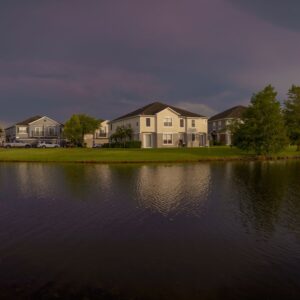
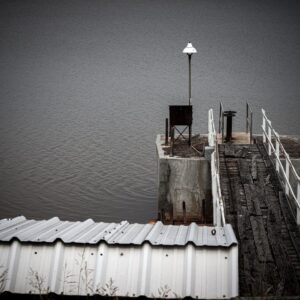

Your dock project on the Intracoastal deserves an approach that starts with understanding what’s actually there, not with a template quote. We assess your existing structure or site, discuss your goals and timeline, and develop a realistic plan for St. Augustine Beach’s waterfront conditions. If you’re near A1A Beach Boulevard, the St. Johns County fishing areas, or inland along the waterway, we’re familiar with the permitting and construction realities of your location.