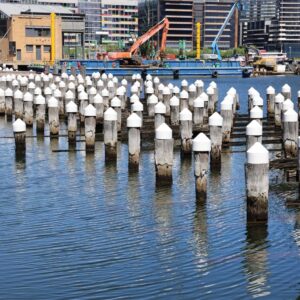
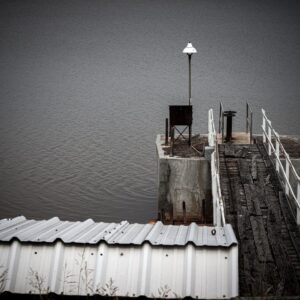
For San Mateo waterfront owners, the first construction decision is site character. Whether you’re building a new dock on the St. Johns River or replacing a structure that’s outlived its useful life, San Mateo’s waterfront calls for specific construction approaches. The St. Johns River and Dunns Creek here flow through freshwater with weed growth, wind chop, and moisture cycling that accelerates wood and fastener wear. A dock builder in San Mateo needs to account for these conditions from the start: piling depth, material grade, and hardware selection all depend on understanding how this freshwater ecosystem behaves year-round. Your site assessment reveals what your lot’s proximity to Dunns Creek or the river’s main channel demands.
Not every project requires a complete rebuild. Because the St. Johns River here carries freshwater with persistent weed growth and moisture cycling, material choices determine longevity. We scope projects with careful site assessment, install new boat lifts, manage seawall installation, and oversee dock enhancement work that adapts your current structure. For properties on Dunns Creek or the wider river channel, storm readiness planning before hurricane season ensures your dock withstands seasonal intensity.
San Mateo waterfront sits on private estates where custom dock construction and replacement are the norm. Putnam County shoreline permitting has specific rules for freshwater structures, and our experience navigating those requirements saves time and rework. We work with homeowners along Dunns Creek and the main river channel where marine-grade materials for freshwater weed growth exposure are essential. Whether building new or replacing pilings, we coordinate schedules around hurricane season. Our approach: assess the site first, clarify your project scope, then outline materials and timelines before any commitment. That scope-first method prevents costly surprises on freshwater builds.
Reach out to start a free consultation on your dock or enhancement project in San Mateo. We walk the site, review your goals, and outline realistic materials and timelines before quoting. Whether your lot sits on Dunns Creek or the broader St. Johns stretch, the assessment clarifies what construction actually involves and what Putnam County permitting requires.
Site assessment comes first, walking your lot and understanding water depth, bottom composition, and proximity to Dunns Creek or the main St. Johns channel. From there, we outline the permit workflow with Putnam County and Florida DEP for freshwater shoreline work. Construction steps include piling placement, decking installation, and hardware setup rated for freshwater weed growth exposure. The scope depends on whether you’re adding a boat lift or seawall at the same time.
Dock size is the biggest driver, along with piling depth and the number of supports your site requires. Material choice matters: pressure-treated wood costs less than composite or hardwood decking, but freshwater weed growth exposure affects longevity on some materials. Whether the project includes boat lift installation or seawall work adds scope. Water conditions like wind chop on the St. Johns influence piling diameter and spacing. Permit complexity and site access for construction equipment can shift timelines and labor allocation.
Permit approval through Putnam County typically takes 4 to 8 weeks before construction starts. Actual construction for a residential dock runs 2 to 6 weeks depending on size and complexity. Hurricane season (June through November) affects scheduling; many homeowners plan builds for winter to avoid delays. Site conditions like bottom composition can extend piling placement work. We outline realistic timelines during your assessment, accounting for permit speed and your project scope. Starting permitting early ensures construction fits your seasonal preferences.
Pilings come down to pressure-treated wood or concrete, depending on site bottom type and water exposure. Decking options include pressure-treated wood, composite, or hardwood. For freshwater work on the St. Johns with weed growth exposure, hardware grade is critical: hot-dip galvanized or stainless fasteners resist moisture cycling. Site assessment reveals load requirements and conditions that drive material selection. Each San Mateo property has specific needs. We assess first and apply materials based on your site, budget, and intended use.


When you’re ready to add or replace a dock in San Mateo, start with a site walk and honest conversation. We assess waterfront lot conditions, sketch your project scope, and provide upfront material and timeline guidance. Your dock on Dunns Creek or the wider river basin deserves construction that understands freshwater conditions and Putnam County’s shoreline rules. Contact us to discuss your build plan.