Every Jacksonville waterfront property presents different construction challenges. Whether you’re building a new dock on the St. Johns River or replacing a structure that’s outlived its useful life, the local water conditions shape every material choice. Brackish tidal water with salt-air corrosion accelerates wear on traditional materials, while boat wake stress from commercial traffic demands deeper pilings and reinforced decking. Properties along the Riverwalk face strong tidal swings that push most owners onto routine inspection schedules. Jacksonville’s dock builder specialists understand these conditions and design for durability from the start, accounting for both the dynamic waterway and Duval County’s permit requirements.
A dock enhancement can extend an existing structure or add a boat lift in phases. For new builds on St. Johns River, we assess piling depth based on the tidal range and mud-line character, then select materials for salt-air corrosion resistance. Brackish tidal conditions demand marine-grade hardware and pressure-treated or composite decking. Storm readiness planning becomes critical before hurricane season, and dock inspection services help homeowners understand remaining useful life before major investment. If your project includes a seawall or bulkhead, that’s often coordinated with dock work to maximize waterfront stability.
We work with single-family waterfront homes, multi-family and HOA-managed communities, and commercial properties throughout Jacksonville. Residential owners often face routine inspection and replacement cycles due to brackish tidal water with salt-air corrosion. Commercial and HOA properties need coordinated schedules and Duval County shoreline compliance. We’re familiar with the permit workflow, marine-grade material specifications for salt-air and boat wake stress exposure, and hurricane-season scheduling around June through November. Properties near the Riverwalk and St. Johns River benefit from our experience with dense urban waterfront conditions.
Schedule a free consultation to discuss your Jacksonville dock project on the St. Johns River. We walk the site, review your project goals, and outline realistic materials and construction timelines before providing any estimate. Whether you’re near the Riverwalk, along the St. Johns River, or elsewhere in the area, understanding the waterway conditions and permit requirements upfront saves time and prevents costly rework.
Building a new dock starts with site assessment to determine piling depth for St. Johns River’s tidal range and mud-line character. We coordinate Duval County permits before construction. The build involves setting pilings to proper depth, installing decking rated for brackish tidal water, and securing marine-grade hardware for salt-air corrosion resistance. Complexity depends on your waterfront location, whether residential, commercial, or HOA-managed near the Riverwalk or elsewhere in Jacksonville.
Several factors shape the scope and materials required. Dock size and piling depth depend on water depth and soil conditions on St. Johns River. Material choices vary based on brackish tidal water with salt-air corrosion and boat wake stress exposure. Adding a boat lift, seawall, or bulkhead changes the overall project scope. Local permitting and the distance to the St. Johns River may affect access during construction.
Permit approval from Duval County typically takes two to four weeks depending on complexity. New construction build time ranges from three to six weeks, depending on dock size, piling depth, and whether you’re adding a boat lift or seawall. Hurricane season from June through November can affect scheduling on St. Johns River. We often recommend planning ahead to avoid scheduling delays during peak waterfront construction seasons.
We assess each St. Johns River property individually to recommend the right materials. Piling options include pressure-treated wood and concrete, chosen based on water depth and soil conditions. Decking can be pressure-treated wood, composite, or hardwood, all rated for those conditions. Hardware must be marine-grade stainless steel or hot-dip galvanized to resist corrosion. The right material mix depends on your budget, maintenance preferences, and long-term durability goals.

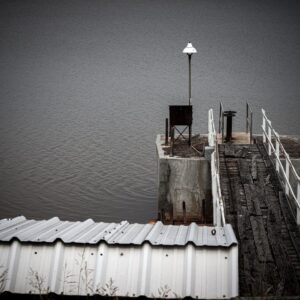
Reach out to discuss your dock construction or enhancement project on St. Johns River. We begin every project the same way: a thorough site assessment that identifies conditions unique to your Jacksonville waterfront property, all local permit requirements, and a clear materials and construction plan. Whether you’re replacing an aging structure near the Riverwalk or building new on Duval County waterfront, our process prioritizes transparency and realistic timelines over quick estimates.