
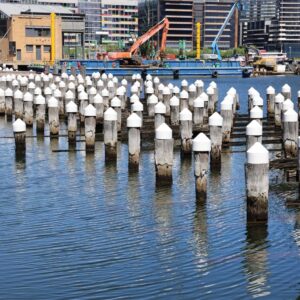

A dock built for St. Marys River needs pilings, decking, and hardware suited to the water character in Hilliard. Whether you’re planning new construction on the St. Marys River or replacing a structure that’s outlived its useful life, the freshwater conditions and moisture-cycling wear along inland Nassau County will shape every material and construction choice. The St. Marys River and its tributaries bring unique challenges: weed growth, wind chop, and the relentless wet-dry cycle that takes a toll on exposed wood and hardware. A dock builder in Hilliard who understands how these environmental forces work can help you plan a structure that actively resists decay and holds solid for decades. The right approach starts with the site assessment.
A dock enhancement can extend an existing structure, add a boat lift installation, or replace deteriorated pilings in phases. On St. Marys River, where freshwater conditions with weed growth and moisture-cycling wear drive replacement cycles, the right material choices make a significant difference in longevity and performance. A sea wall or bulkhead project can stabilize your waterfront while upgrading dock infrastructure. For waterfront properties preparing for hurricane season, storm readiness planning integrated into construction helps ensure your dock structure withstands the seasonal stress that inland Nassau County waterfront properties experience regularly.
Residential waterfront homeowners across the St. Marys River area and Boots Branch typically own low-density properties with private docks, longer waterfront runs, and custom dock needs. We work with homeowners replacing aging structures that succumbed to freshwater wear and weed-growth damage, those expanding dock capacity, and properties that need seawall stabilization before building new structures. Familiarity with Nassau County permitting processes, selection of marine-grade materials suited to freshwater conditions, and construction scheduling around hurricane season are core to how we serve the Hilliard waterfront. We treat each site as a unique project, not a template.
Schedule a free consultation to discuss your Hilliard dock project. We walk the St. Marys River site, listen to your goals whether new construction, replacement, or enhancement, and outline realistic material and timeline options before providing any quote. This scope-first approach ensures you get a clear picture of what your build will entail and what to expect on a Hilliard waterfront property throughout the process.
Building a new dock starts with a site assessment to understand St. Marys River conditions, mud-line depth, and your waterfront layout. From there, we navigate Nassau County permitting requirements for shoreline construction, which typically involves coordination with Florida DEP if applicable. Once permits clear, construction begins with piling installation and deck framing, staged to avoid hurricane season when feasible. The entire process from site walk to final inspection takes coordination and clear communication at each stage.
Several factors shape the scope and materials of a dock project. Dock size and the total linear footage determine the volume of piling and decking needed. Piling depth depends on mud-line conditions and soil composition at your specific St. Marys River or tributary site. Material choices for freshwater environments with weed growth and moisture-cycling wear vary in cost and longevity. Whether the project includes additions like boat lift installation or seawall work also adds scope. Site conditions drive the final assessment.
Timeline depends on project complexity. Permit approval through Nassau County typically takes several weeks, sometimes longer for projects requiring Florida DEP coordination. Once construction begins, a straightforward dock build on St. Marys River might take several weeks depending on size and site conditions. More complex work like piling replacement or seawall integration takes longer. Hurricane season from June through November affects scheduling decisions and material delivery windows, so the overall timeline may stretch if your project overlaps those months.
Piling material choices include pressure-treated wood, concrete, and composite options. Each has different durability profiles in freshwater conditions with weed growth and moisture-cycling wear. Decking can be pressure-treated wood, composite, or hardwoods like cedar or oak depending on your budget and maintenance preferences. Hardware must be marine-grade stainless steel or hot-dipped galvanized to resist freshwater corrosion. The right material combination for your St. Marys River site emerges from the site assessment and your project goals.
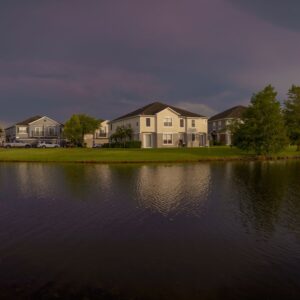
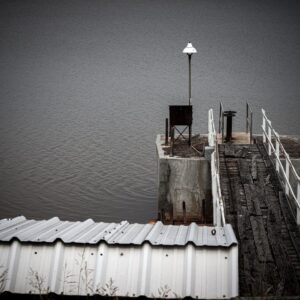

Send us a message or call to schedule a site visit for your dock project on the St. Marys River. Whether you’re starting from scratch, replacing a deteriorated structure, or planning an enhancement like a boat lift or seawall, we begin with the site and your specific goals. Hilliard waterfront properties along Boots Branch and beyond deserve dock construction that accounts for the unique freshwater and seasonal conditions they face.