
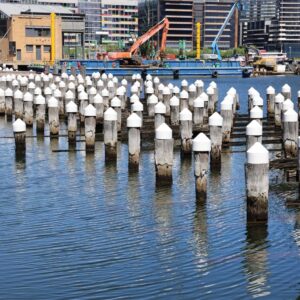

The best dock builds start with a site walk, especially on St. Johns River where local conditions shape every choice. Whether you’re building a new dock on the St. Johns River or replacing a structure that’s outlived its useful life, Hibernia’s waterfront character shapes every decision. The river here runs brackish and tidal, with salt-air corrosion and boat wake stress that demand marine-grade material choices. Piling depth and deck durability become central to long-term performance near Fleming Plantation historic site and across Hibernia Forest. A dock builder in Hibernia, FL needs to understand these conditions and the Clay County permit process for shoreline work. Whether your project involves extending an existing dock or starting fresh, site assessment comes first.
If you’re planning a new dock or replacing an existing structure, the scope can include several components. Dock enhancement extends your current dock, incorporates boat lift installation, or replaces deteriorated pilings in phases without disrupting the whole structure. For shoreline work, a sea wall or bulkhead protects against erosion while establishing a clean build foundation. Storm readiness planning ensures your design accounts for hurricane-season stress on materials. Given the brackish tidal water with salt-air corrosion and boat wake stress on St. Johns River, material selection and construction technique directly impact durability. Pre-build site assessment and dock inspection services reveal what your existing structure can support before you plan upgrades.
Hibernia’s low-density waterfront means most dock projects are private residential, with long ramp runs and custom footprints across larger lots near Fleming Plantation historic site and Hibernia Forest. Property owners here typically need replacement work or enhancement for aging structures facing years of those conditions. We navigate Clay County shoreline permitting and understand hurricane-season timeline realities from June through November. Our approach emphasizes marine-grade material selection matched to St. Johns River conditions and realistic construction scheduling that fits around seasonal water levels and weather. Whether you’re adding a boat lift, extending decking, or replacing pilings, we assess your specific shoreline first.
We invite Hibernia property owners to schedule a site visit at no cost. We walk the shoreline with you, review your project goals, and outline realistic material selections and timelines before any quote. Whether near Fleming Plantation historic site or elsewhere on St. Johns River, every build starts with understanding what the specific water conditions and property layout require. Contact us to discuss your dock project and next steps.
Building a new dock on St. Johns River starts with a site assessment to understand piling depth requirements, water elevation, and shoreline character. Clay County permitting involves environmental review for brackish tidal waters and protection of natural shoreline. The construction sequence typically includes permits, pilings installation, framing, decking, and railings. Because Hibernia’s waterfront spans longer frontage with historic preservation considerations, each project requires understanding local conditions. Pre-build inspection and material selection based on salt-air corrosion resistance ensures the dock performs across seasons.
Dock size and linear footage drive material needs; longer ramp runs across Hibernia’s wider St. Johns River frontage require more pilings and decking than compact properties. Piling depth depends on mud-line conditions and brackish tidal water elevation. Whether you add a boat lift platform, seawall, or hardened railings for hurricane season adds scope. Composite versus pressure-treated decking and marine-grade fastening systems for salt-air corrosion resistance impact durability and material cost. Clay County permitting timelines may affect scheduling. Site accessibility and soil conditions determine equipment needs and labor intensity during construction.
Clay County permitting for new dock work typically takes three to six weeks after an initial site inspection and environmental review. Once permits clear, construction duration depends on scope: a straightforward dock frame and decking can take two to four weeks. Seawall or boat lift additions extend the timeline. Hurricane season from June through November affects Hibernia scheduling, as many builders pause full projects during peak weather months. Material lead times and water level fluctuations on St. Johns River may add buffer weeks. Realistic timelines account for tidal conditions and seasonal work windows.
Piling material choices include pressure-treated timber and concrete, each suited to different water conditions. For St. Johns River’s these waterway characteristics, we evaluate wood grade and concrete composition carefully. Decking options span pressure-treated lumber, composite boards, and hardwood. Hardware and fasteners must resist saltwater corrosion, so marine-grade stainless steel becomes standard for hinges, bolts, and brackets. Railings and accessories require similar attention to corrosion resistance. Site assessment reveals soil type and water elevation, which determine whether a hybrid design works best for your Hibernia property. Material selection always precedes quotation.

Dock projects in Hibernia benefit from experienced contractors familiar with Clay County waterway regulations and St. Johns River conditions. We begin every engagement by assessing your shoreline, understanding your goals, and building a clear picture of what construction looks like for your property. From the wide river frontage near Hibernia Forest to private residential waterfronts, scope clarity leads to realistic timelines and material choices. Reach out to discuss your dock, seawall, or boat lift project with a builder who knows this waterfront.