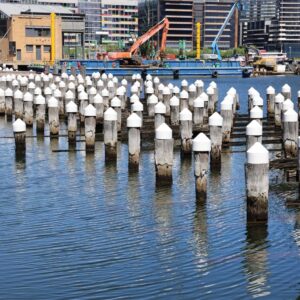
Building a dock on Doctor’s Lake in Fleming Island is not the same as building one on any other waterway. A dock builder in Fleming Island Plantation area needs to account for the water’s brackish character, tidal range, and seasonal hurricane conditions. New construction, enhancement, or boat lift addition all start with a site walkthrough to assess the mud-line, existing shoreline, and what your project actually requires before moving forward.
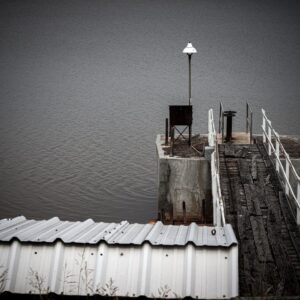
Older docks often have good bones that support an upgrade instead of a rebuild. New construction on Doctor’s Lake requires piling depth assessment and marine-grade material selection for brackish tidal water exposure. Dock enhancement projects address aging structures common in established Fleming Island neighborhoods. Boat lift installation often accompanies new builds or major upgrades. Sea wall or bulkhead work stabilizes shoreline as part of a larger waterfront plan. Storm readiness planning ahead of hurricane season ensures structures and hardware withstand seasonal conditions.
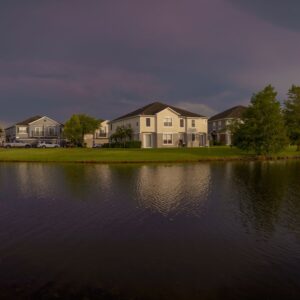
Fleming Island waterfront includes residential homeowners on mature properties, semi-private communities with shared docks, and newer builds in established neighborhoods like Fleming Island Plantation. We’re familiar with Clay County shoreline permitting for Doctor’s Lake work, which requires assessment and planning before submission. Residential projects range from replacing aging pilings to installing boat lifts as part of broader waterfront enhancement. Understanding brackish tidal water exposure and salt-air corrosion means selecting hardware and decking materials that withstand seasonal conditions. Hurricane-season planning ahead of June through November affects scheduling and structure hardening for Fleming Island properties.
Start with a site visit on Doctor’s Lake. We review your project goals (new dock, enhancement, boat lift addition, or seawall work) and assess piling conditions, waterfront layout, and brackish water exposure. Material choices and construction timelines come next, based on conditions specific to Fleming Island’s brackish tidal water. No quote until we’ve walked the site and outlined realistic scope together.
A new dock on Doctor’s Lake starts with site assessment. We evaluate piling depth requirements, mud-line character, and local permit needs for Clay County shoreline work. Design phase follows, outlining dock size, decking options, and any boat lift or seawall integration. Construction includes piling installation, decking, and hardware securing. Throughout Fleming Island work, brackish tidal water exposure and salt-air corrosion inform every material choice. The process moves from assessment to permit to construction with clear phases.
Dock size and piling depth are primary cost factors for Fleming Island builds. Brackish tidal water with salt-air corrosion exposure requires marine-grade materials and hardware, affecting material selection. Whether the project includes a boat lift, seawall, or storm-readiness hardening adds scope. Existing piling condition and mud stability influence replacement depth and complexity. Fleming Island Plantation docks may involve different design considerations than newer construction. Site conditions and permit complexity in Clay County waterfront work also factor into scope estimation.
Permit approval in Clay County typically takes four to eight weeks, depending on completeness of shoreline assessment and plan submission. Once permits clear, construction timeline depends on dock complexity and scope. A straightforward dock replacement might complete in three to four weeks of build time. New construction or boat lift addition adds complexity. Fleming Island hurricane season runs June through November, affecting scheduling and material arrival windows. We coordinate project phases around seasonal weather and local waterfront permit cycles.
Piling material choices for Doctor’s Lake include pressure-treated wood and concrete, selected based on mud-line depth and brackish tidal water conditions. Decking options range from pressure-treated wood to composite and hardwood, each with different salt-air corrosion resistance profiles. Hardware must be marine-grade stainless or epoxy-coated for Fleming Island’s brackish water exposure. Boat lift material varies by lift type and water depth. We assess site conditions first, then recommend materials that balance durability against salt-air corrosion and seasonal stress in Doctor’s Lake water.


Building on Doctor’s Lake requires experience with brackish tidal water, permit workflows in Clay County, and practical scheduling around hurricane season. We approach every Fleming Island project by walking the waterfront first, assessing piling depth and material conditions, and providing clear timelines and recommendations before quoting. Whether you’re replacing an aging dock in Fleming Island Plantation, adding a boat lift to an existing structure, or planning new construction, scope comes before cost.