 As the sun rises over the serene waters of Florida, dock maintenance often takes a back seat to the beauty of its shoreline. However, if you’re a property owner or a marina manager, a professional dock inspection is essential for ensuring safety and longevity. The inspection process not only identifies structural integrity but also ensures compliance with local regulations. Understanding what happens during a dock inspection helps you better prepare and maintain your investment.
The Professional Dock Inspection Process Florida
In Florida, where waterfront activities are a way of life, keeping your dock in optimal condition is crucial. A professional dock inspection typically encompasses several key aspects tailored to the unique coastal environment of the state. From the salty air to fluctuating water levels, Florida’s conditions present unique challenges that inspectors are trained to evaluate. The goal is to provide a detailed analysis of the dock’s current condition—ensuring it remains safe and functional for years to come.
Why Are Dock Inspections Necessary?
Dock inspections serve multiple purposes. They assess wear and tear, identify safety hazards, and help you address any structural issues before they become major problems. Additionally, regular inspections can save costly repairs in the long run and typically yield greater compliance with local safety regulations. Having documentation of inspections also increases your property value and assures prospective buyers of the dock’s upkeep.
Dock Inspection Steps
When the inspection begins, a licensed marine surveyor or dock inspector rigorously evaluates the structure. Below are the typical dock inspection steps undertaken:
1. Visual Inspection
The inspection kicks off with a visual assessment. Inspectors look for obvious signs of damage such as cracks, breaks, or decay in the dock structure. They check for rotting wooden supports, rust on metal components, and physical deterioration of the decking. This step serves as the foundation for more detailed evaluations.
2. Structural Integrity Assessment
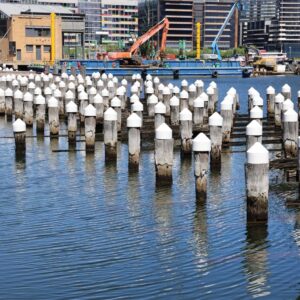
Next, the inspector examines the structural integrity of the dock. This includes checking pilings for weakness and ensuring they are properly anchored. Additionally, the condition of supports, cross-bracing, and connections is evaluated. A compromised structure can lead to safety hazards, making this step critical.
3. Electrical System Evaluation
For docks with electrical connections, an inspection of the electrical systems is vital. Inspectors verify that outlets are up to code, check for grounding issues, and ensure that there are no hazards such as frayed wires or exposed circuits. Safety is paramount, and anything less than optimal can be dangerous, especially in a marine environment.
4. Boat Lift and Equipment Checks
If your dock features a boat lift or other specialized equipment, these will also be examined. Inspectors look at mechanical parts, cable conditions, and fluid leaks that could indicate wear. Proper maintenance of these features is essential for smooth operation and safety.
What Inspectors Check on Docks
During a dock inspection, professionals check various components to ensure everything is in good working order. Here are some of the key items that are typically assessed:
1. Decking Material
Inspectors check the decking for signs of wear such as splintering or warping. Material type can influence longevity, with composite materials generally requiring less maintenance than wood.
2. Safety Features
Handrails, ladders, and other safety features are evaluated for stability and compliance with local codes. An inspector may recommend enhancements for safety purposes if necessary.
3. Mooring Equipment
Cleats, bollards, and fenders must be inspected to ensure they’re securely mounted and in good condition. Any loose or damaged equipment can pose a risk to vessels.
4. Environmental Considerations
Florida has specific environmental regulations that may affect your dock. Inspectors will check for compliance with Florida’s waterfront access laws, including the condition of surrounding vegetation and how the dock interacts with the local ecosystem.
Importance of Hiring a Qualified Inspector
Engaging a qualified inspector is crucial to ensure quality and reliability. Look for professionals who are not just certified but also have experience specifically with docks in Florida. Their knowledge of local standards and environmental considerations can save you from unforeseen issues. They should provide you with a detailed report post-inspection, outlining any problems and recommended actions.
How Often Should You Schedule an Inspection?
It’s often recommended to conduct dock inspections every one to three years depending on usage and environmental factors. However, after severe weather events or noticeable changes in the dock’s condition, immediate inspections are advisable. This proactive approach will help maintain your dock’s integrity and usage.
Conclusion
In conclusion, a professional dock inspection is not just a formality; it’s an essential part of maintaining your dock’s health and safety. By understanding the inspection process and the importance of each step, you ensure that your investment continues to meet the demands of Florida’s beautiful, yet challenging, coastal environment. From structural assessments to environmental compliance, being proactive can save you money and ensure peace of mind. Make dock inspections a regular part of your property management routine to enjoy safe and worry-free waterfront activities for years to come.