
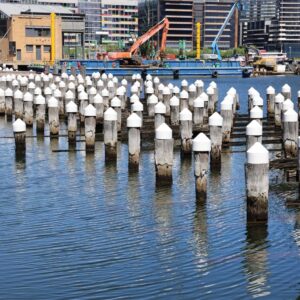
Before choosing decking or piling materials, it is worth understanding how Tolomato River conditions shape the construction. The Tolomato River runs brackish and tidal through Vilano Beach, with salt-air corrosion and boat wake stress that accelerate deterioration in older piling and decking. Shifting sandbars and channel changes after storms often shift dock height and approach requirements. A dock builder in Vilano Beach needs to assess water depth, seasonal fluctuation, and exposure before selecting materials and piling depth. Your project scope flows from these conditions, not from standard dock plans.
A dock enhancement can extend an existing structure, add a boat lift, or replace deteriorated pilings. For new builds on Tolomato River, piling depth and material choice depend on the mudline and seasonal water-level swings. Sea wall work can address erosion where bank instability compounds aging dock foundations. Storm readiness planning matters here, where hurricane season (June through November) requires consideration of mooring loads and tie-down capacity. Whether you’re reinforcing an existing dock or starting fresh, Vilano Beach waterfront work involves brackish tidal conditions with salt-air corrosion and boat wake stress that shape every material and timing decision.
Residential homeowners on Tolomato River with mature docks needing repair, newer builds planning first-time dock installation, and established waterfront neighborhoods with shared shoreline access all require different approaches. We’re familiar with St. Johns County shoreline permitting, where DEP coordination and local variance approval shape the timeline and scope. Marine-grade materials for brackish tidal water with salt-air corrosion and boat wake stress aren’t optional here, they’re baseline. Near Vilano Beach Bridge and throughout North Beach neighborhoods, we coordinate schedules around hurricane-season (June-November) considerations and work with existing HOA dock standards where applicable. Site assessment and clear scope definition come before any quote.
Start with a free site consultation on your project. We walk the Vilano Beach waterfront with you, review your goals (new dock, enhancement, boat lift, or seawall work), and outline realistic materials and timelines before quoting. Whether you’re near Vilano Beach Bridge or deeper in North Beach, every project assessment covers water conditions, permit requirements, and hurricane-season planning. No obligation, no generic templates.
A new dock build in Vilano Beach starts with a site assessment of Tolomato River mudline, water depth, and seasonal fluctuation. We review St. Johns County permit requirements and DEP coordination for shoreline work. The project scope includes piling installation, decking material selection, and hardware grade for brackish tidal conditions with salt-air corrosion and boat wake stress. If your project includes a boat lift or seawall, those phases are scoped separately. Construction timeline depends on permit approval and dock complexity, typically staged to avoid hurricane season when possible.
Dock size and linear footage set the baseline. Piling depth depends on Tolomato River mudline conditions and frost-line requirements in St. Johns County. Material choices matter significantly: pressure-treated wood, concrete pilings, and composite decking each carry different costs and longevity profiles given those conditions exposure. Whether your project includes a boat lift, seawall, or enhancement to an existing dock affects scope. Site access, permit complexity, and whether work is staged around hurricane season (June through November) also influence the final cost structure.
Permit approval through St. Johns County typically takes 4 to 8 weeks, depending on whether DEP coordination is required for shoreline work. Simple dock builds on Tolomato River can take 2 to 4 weeks once permits are in hand, while additions like boat lifts or seawall work add time. Hurricane season (June through November) affects scheduling and material availability. Most homeowners in Vilano Beach who plan ahead schedule projects for late winter through spring to avoid the peak storm months. Your site assessment will clarify realistic timing for your specific project scope.
Piling options on Tolomato River include pressure-treated wood (cost-effective, requires ongoing maintenance in these waterway characteristics), concrete (durable, minimal corrosion), and vinyl (rot-proof, lightweight). Decking can be pressure-treated lumber, composite (low-maintenance, longer lifespan), or hardwood (aesthetic appeal, higher maintenance). Hardware and fasteners must be marine-grade stainless steel or hot-dipped galvanized for salt-air exposure. Every project begins with a site assessment to match materials to your specific Vilano Beach waterfront conditions, water depth, boat use, and long-term maintenance preferences.
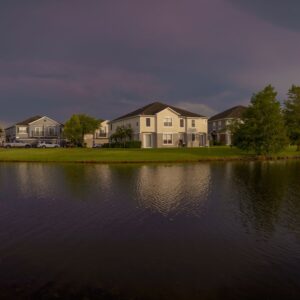
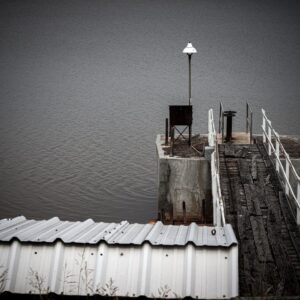
Vilano Beach dock projects live or die on proper site assessment. Whether it’s a replacement dock on Tolomato River, an extension near the Vilano Beach Bridge, or reinforcement for storm readiness, we start by walking the site, reviewing your specific goals, and outlining scope and material choices clearly. Your waterfront is unique. Call or visit to schedule a free consultation. We’re here to build it right the first time.