
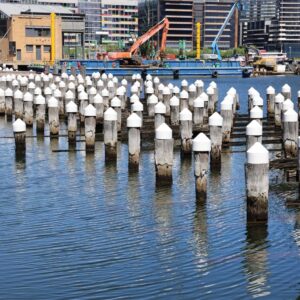

Building a dock on St. Johns River in Switzerland is not the same as building one on any other waterway. Whether you’re deciding between a fresh build on the St. Johns River or replacing a structure that’s been weathered by years of freshwater conditions and seasonal chop, Switzerland’s rural waterfront setting presents specific construction considerations. The deeper water sections near Switzerland Point Park require longer dock runs and reinforcement against wind-driven conditions that characterize the wider river here. Material choices depend heavily on St. Johns River’s freshwater environment, with weed growth and moisture cycling creating distinct durability demands. As a dock builder in Switzerland, FL, we approach each project by first understanding your waterfront’s specific conditions, then designing for the long term in this particular setting.
A dock enhancement can extend an existing structure, add a boat lift, or replace deteriorated pilings in phases as part of your long-term waterfront plan. On St. Johns River, where freshwater with weed growth and wind chop accelerate wear cycles, we often recommend starting with a comprehensive assessment through our dock inspection services before planning renovations. Whether you need a new shoreline installation via sea wall or bulkhead construction, boat lift installation for larger vessels, or storm readiness planning to harden your structure before hurricane season, the approach starts with understanding the specific conditions of your site and phasing work accordingly.
We build for residential waterfront owners on larger lots around Trout Creek and Switzerland Point Park who need custom dock solutions for their specific shoreline. These projects typically involve longer dock runs suited to the deeper water sections of St. Johns River and conditions that demand careful material selection. Our approach centers on familiarity with St. Johns County shoreline permitting workflows, selecting marine-grade materials rated for freshwater with weed growth exposure, and coordinating construction schedules around hurricane season planning windows. Whether you’re replacing an aging structure or adding capability like a boat lift to an existing dock, we design for both immediate function and long-term durability in this environment.
Ready to plan your dock on Switzerland’s waterfront? We walk the site along St. Johns River, review your specific project goals, and outline realistic materials and construction timelines before providing any quote. Whether you’re considering a new dock, replacement, or enhancement, the conversation starts by understanding your waterfront and what works for your property near Trout Creek. Contact us to schedule that site assessment.
Building a new dock on St. Johns River starts with a comprehensive site assessment to understand water depth, shoreline stability, and the freshwater with weed growth conditions that affect material choices. We guide you through St. Johns County permit requirements, which typically involve shoreline work applications and environmental review. Once permits are approved, construction proceeds with piling installation at appropriate depths to handle the wind chop and moisture cycling that characterize the wider river section near Switzerland, followed by decking and hardening work. The complete process balances permit timelines and construction scheduling, especially when hurricane season planning is involved.
Dock construction costs in Switzerland depend on several interconnected factors. Dock size and the length required based on water depth near your property directly influence scope. Piling depth matters on St. Johns River, where stable depths vary by shoreline location and affect structural requirements. Material choices between pressure-treated wood, concrete pilings, and decking options are driven by freshwater with weed growth exposure and moisture-cycling durability. Additional features like boat lift installation or sea wall construction add capability but also scope. Site conditions, permit complexity, and construction timeline affected by hurricane season scheduling all factor into the final project scale.
Timeline for dock construction in Switzerland divides into permit approval and build phases. St. Johns County shoreline permits typically require two to three months for review, depending on project complexity and environmental assessment. Once permits are secured, construction on a straightforward new dock generally takes four to eight weeks, though complexity like seawall installation or boat lift integration extends that. Hurricane season planning in Northeast Florida from June through November can affect scheduling, often pushing projects toward early spring or fall completion. We outline timelines upfront so you understand realistic delivery based on your specific site and scope.
Material selection for dock construction on St. Johns River starts with understanding your site conditions. Piling options include pressure-treated wood and concrete, each chosen based on water depth, soil composition, and the freshwater with weed growth environment that demands durability against moisture cycling. Decking materials range from pressure-treated wood to composite options that reduce maintenance exposure to weed staining and moisture wear. Hardware is specified for freshwater conditions, with stainless or galvanized grades preventing corrosion from the river’s chemistry. We assess your property, discuss durability priorities, and recommend materials balancing performance with your maintenance preferences and budget realities in Switzerland.
Dock construction on St. Johns River works best when we understand your waterfront first. We visit your property near Switzerland Point Park, assess the conditions specific to your shoreline, review what you need the structure to accomplish, and then outline the scope clearly. From there, you have a realistic picture of the dock you can build and the timeline it requires. Whether that’s a new dock, enhancement, or boat lift addition, transparency on how we work starts with that site conversation. Let’s talk about your project.