
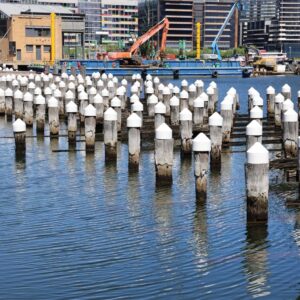

The best dock builds start with a site walk, especially on Lake Ashby where local conditions shape every choice. Lake Ashby’s tannic water and moisture cycling create unique wear patterns that a dock builder in Osteen, FL must anticipate from the start. Whether you’re expanding your existing dock, adding a boat lift, or planning storm readiness for hurricane season, the assessment comes first. Low-density Osteen properties often feature longer dock runs and custom installations where site character matters as much as design.
A dock project on Lake Ashby typically starts with a dock inspection to assess piling depth, deck condition, and hardware durability against freshwater weed growth and seasonal moisture cycling. Dock enhancement can extend an existing structure, add a boat lift, or replace deteriorated pilings. If shoreline work is part of your plan, seawall and bulkhead installation addresses bank erosion and property edge definition. For Osteen properties in the inland Volusia hurricane zone, storm readiness planning helps you harden the dock structure before June. Material selection matters because Lake Ashby’s conditions demand pressure-treated or composite decking that resists tannic staining and moisture damage.
Osteen waterfront property owners range from residential homeowners with single-family dock systems to HOA-managed waterfront communities around Lake Ashby area. We’re familiar with Volusia County shoreline permitting workflows and DEP review timelines for freshwater construction. Marine-grade materials for freshwater weed growth and tannic water conditions are standard in our builds. For residential projects, we coordinate dock extension or replacement work with hurricane-season planning, often scheduling from December through May to avoid peak permit delays and construction interruptions. Whether you’re managing a private dock or part of a waterfront community, site assessment and material coordination set the foundation for a structure that performs through seasons of wind chop and moisture cycling.
Contact us to discuss your Osteen dock project, whether it’s new construction on Lake Ashby or an enhancement to your existing structure. We start with a site walk in the Lake Ashby area, assess piling and shoreline conditions, review your project goals, and outline realistic materials and timelines before any commitment. Clear scope and honest assessment of what’s actually needed come first.
Building a new dock in Osteen begins with a site assessment to measure water depth, evaluate piling conditions, and check for freshwater weed growth and existing shoreline character. Next comes Volusia County shoreline permitting and Florida DEP review for new construction. Once permits clear, pile driving or installation establishes the structural foundation, followed by decking and hardware installation. The timeline depends on permit approval and your preferred material choices for Lake Ashby’s freshwater conditions and seasonal moisture cycling.
Dock size and piling depth are primary cost drivers, determined by water depth and bottom condition in Lake Ashby. Material selection matters significantly: pressure-treated wood costs less than composite or hardwood decking, but each has different durability profiles for freshwater weed growth and tannic water. Whether your project includes a boat lift addition or seawall installation affects both scope and timeline. Permit complexity in Volusia County and site accessibility also influence the overall project scope. We assess all factors before outlining realistic project costs.
Volusia County permit approval typically takes 4 to 8 weeks for straightforward dock construction, longer for seawall or boat lift additions. Once permits clear, building a straightforward dock usually requires 2 to 4 weeks depending on size and complexity. Hurricane season (June through November) affects scheduling because material delivery and crew availability tighten during peak season. Many Osteen property owners schedule new dock work or major enhancements from December through May to avoid permit delays and construction interruptions caused by weather and seasonal constraints.
Piling material for Lake Ashby dock projects includes pressure-treated wood and concrete depending on site conditions and long-term durability goals. Decking options range from pressure-treated lumber to composite or hardwood, each selected for freshwater weed growth exposure and tannic water staining resistance. Hardware must be marine-grade stainless steel or coated galvanized to resist moisture cycling and seasonal wear. We evaluate your Lake Ashby site first: water depth, bottom type, and expected exposure conditions determine which material combination delivers durability and realistic maintenance expectations.
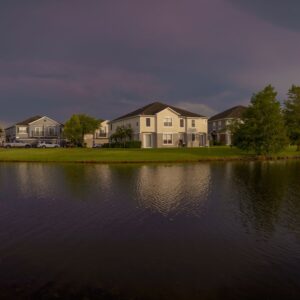
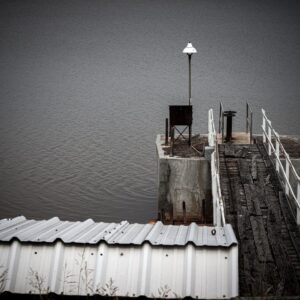
Your Osteen waterfront project starts with understanding what’s really needed. We’ll visit your Lake Ashby property, evaluate existing conditions, and discuss your vision before presenting realistic options and timelines. Whether the goal is a replacement dock, an enhancement, or new construction in the Lake Ashby area, our approach prioritizes accurate site assessment over quick estimates. Waterfront projects in freshwater conditions deserve thoughtful planning and material selection tailored to local wear patterns.