
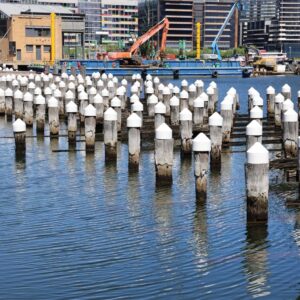

Planning a new dock on Intracoastal Waterway starts with understanding how your Intracoastal West shoreline behaves. Intracoastal West properties around Pablo Creek experience brackish tidal flow and sustained boat wake stress from recreational traffic, which means piling depth, material durability, and seawall planning are not afterthoughts. Your dock builder in Intracoastal West, FL needs to know how these conditions interact with seasonal hurricanes and salt-air corrosion. Whether you’re in the St. Johns Town Center area or further along the waterway, the construction approach starts with understanding what the water actually does to structures over time.
Many homeowners choose phased dock enhancements over full replacement. New construction on Intracoastal Waterway starts with site assessment and permit coordination through Duval County. Projects typically involve seawall evaluation, and many properties benefit from our sea wall or bulkhead work to reinforce eroding banks. Boat lift installation is often paired with dock work, while storm readiness planning helps homeowners harden their waterfront before hurricane season. The brackish tidal water and continuous boat wake stress mean material selection and construction sequencing depend on what your waterway is actually doing.
Intracoastal West serves homeowners with semi-private docks, established properties where mature structures need replacement, and newer builds planning their first waterfront installation. We work with HOA-managed waterfront communities where coordinated construction and environmental sensitivity matter. Familiar with Duval County shoreline permitting and the actual pace of approvals on Intracoastal Waterway, we specify marine-grade materials that withstand brackish tidal water, salt-air corrosion, and boat wake stress. Property owners around St. Johns Town Center and Pablo Creek know that hurricane-season scheduling requires planning, not urgency. The difference is understanding what your waterway demands before the bids go out.
We start by walking your Intracoastal West site to see what Pablo Creek tidal action, boat traffic, and current structure condition really demand. Your project scope, material needs, and realistic timeline come first. We’ll review permit requirements with Duval County and outline what waterfront construction actually involves before any numbers go on paper. No high-pressure consultation, just clarity on what your Intracoastal Waterway dock needs.
Building a new dock on Intracoastal Waterway starts with site assessment: water depth, tidal range, substrate composition, and boat traffic patterns. Permit coordination with Duval County typically takes 4-8 weeks. Construction involves piling installation (depth depends on mud line and anchoring requirements), decking frame assembly, and hardware installation. Intracoastal West’s brackish tidal water and sustained wake stress require marine-grade material specification from the start. Final phases include safety railings, hardware upgrades, and any seawall or boat lift work. The sequence is assessment, permits, materials, build.
Dock costs in Intracoastal West depend on size, piling depth (determined by mud-line character and water body conditions), and material grade. Brackish tidal water and salt-air corrosion exposure typically require higher-grade material choices than standard builds. Boat lift installation or seawall reinforcement adds scope. Permit complexity and property access can affect timeline and labor sequencing. Whether your project involves dock enhancement of an existing structure or full new construction shapes material and labor needs. Site condition assessment and scope definition come before any cost estimation.
Permit approval in Duval County for Intracoastal Waterway dock work typically spans 4-8 weeks, depending on project complexity. Build time varies: a straightforward dock enhancement might take 2-4 weeks, while new construction can run 6-12 weeks depending on piling depth, seawall work, and boat lift installation. Intracoastal West’s hurricane season (June through November) affects scheduling; many property owners schedule spring or fall builds to avoid weather risk. Weather delays and permit timeline extensions can add weeks. Starting with a clear site assessment and scope keeps expectations realistic.
Material selection on Intracoastal Waterway depends on site assessment first. Piling options include pressure-treated wood (cost-effective, requires maintenance in brackish tidal water) and concrete or composite pilings (longer lifespan with salt-air corrosion exposure). Decking can be pressure-treated wood, composite, or hardwood; each has maintenance trade-offs for the Intracoastal West climate. Hardware must be stainless steel or marine-grade aluminum to resist corrosion. Boat lift frames and railings also require marine-grade specification. We assess your property’s exposure to boat wake stress, tidal patterns, and structural load before recommending the material package that makes sense for your dock.
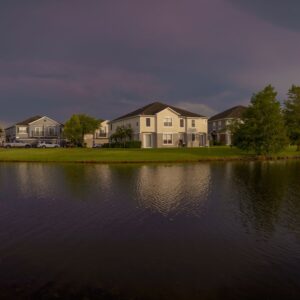
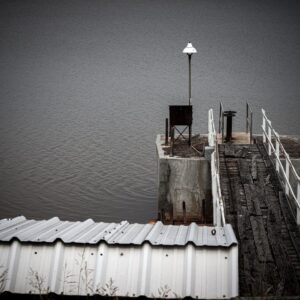

Dock construction in Intracoastal West begins with the reality of your waterway, not a template. Every St. Johns Town Center and Pablo Creek property has different tidal patterns, boat traffic, and structural needs. We assess the site first, then build accordingly. No rushed timelines, no shortcuts on materials that will face brackish water and salt-air exposure. Reach out to discuss what your Intracoastal Waterway project looks like, step by step.