
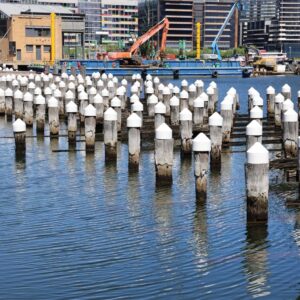

Weighing whether to replace, extend, or start fresh on your Fruitland dock is where the first conversation starts. Whether you’re planning new construction on the St. Johns River or replacing a structure that’s outlived its useful life on Fruitland’s waterfront, understanding the local conditions is essential. St. Johns River’s freshwater environment, with characteristic weed growth and wind chop, creates distinct demands on materials and design compared to brackish or tidal waters elsewhere. The moisture-cycling wear is real here, especially along the citrus heritage area where residential waterfront runs long and deep. A dock builder in Fruitland works with these conditions, not around them, selecting materials and construction methods that account for freshwater exposure and the seasonal pace of rural residential dock work.
A dock enhancement can extend an existing structure, add a boat lift, or replace deteriorated pilings in phases. Fruitland’s residential waterfront often involves legacy designs that benefit from modernization, whether through new shoreline reinforcement or full replacement. The freshwater conditions and weed growth on St. Johns River drive material choices: pressure-treated wood withstands moisture cycling well, while composite decking reduces maintenance in high-humidity environments. Pre-build inspections clarify what stays and what needs replacement, and storm readiness planning fits naturally into construction schedules before hurricane season.
Fruitland’s waterfront is dominated by low-density residential properties where private dock work and replacements are the standard. Homeowners in the citrus heritage area and along St. Johns River often manage longer lots and custom construction scopes. We work with individual homeowners, residential associations managing shared waterfront, and occasional commercial operations. Marine-grade hardware and pressure-treated materials account for freshwater weed growth and moisture-cycling conditions. Familiar with Putnam County permit workflows and construction logistics of rural St. Johns River frontage, we build docks designed to withstand seasonal weather changes and periodic hurricane-season planning.
Schedule a free consultation on your Fruitland dock project. We walk the St. Johns River site, review your goals for enhancement or replacement, and outline realistic materials and timelines before any estimate. Whether your property sits in the citrus heritage area or elsewhere along the waterfront, understanding what’s involved comes first. No pressure, no surprise costs, just a clear picture of what a new dock or enhancement looks like for your lot.
A new dock build starts with a site assessment to understand St. Johns River conditions, mud-line depth, and waterfront structure. Permit applications go through Putnam County and Florida DEP for shoreline work. The actual construction involves piling installation, decking, and hardware selection based on freshwater exposure and weed growth. For Fruitland properties, we also assess whether a boat lift or shoreline reinforcement makes sense for your lot. The timeline depends on permit approval and build complexity, with hurricane season affecting scheduling.
Dock size and piling depth depend on St. Johns River water levels and mud characteristics at your property. Material choices for pressure-treated wood, composite decking, or alternative options shift cost. Freshwater with weed growth requires marine-grade hardware. Whether the project includes a boat lift or new seawall work adds scope. Putnam County permitting and site access affect the timeline and effort. We assess your lot and goals before outlining what drives the total.
Permit approval through Putnam County typically takes several weeks, depending on whether Florida DEP review is triggered by shoreline work. Actual construction for a standard residential dock on St. Johns River usually runs four to eight weeks from piling to finished decking, assuming no major site complications. Fruitland’s hurricane season, June through November, affects scheduling and material sourcing. A dock enhancement or replacement of an existing structure may move faster if permits are simpler. We coordinate scheduling around local conditions and your timeline.
Piling material choices include pressure-treated wood for freshwater exposure or concrete for durability in moisture-cycling environments. Decking options range from pressure-treated lumber to composite products that reduce maintenance on St. Johns River waterfront. Hardware grade matters: stainless steel resists corrosion better in freshwater with weed growth conditions. We assess your property and preferences, then recommend materials that balance longevity, maintenance, and site conditions. Inspections of existing structures often guide whether pilings, decking, or both need replacement.
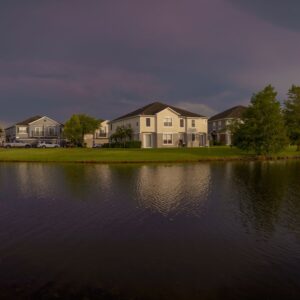
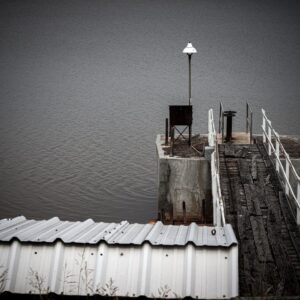
We start every Fruitland project with a site walk and honest assessment of your waterfront. Whether you’re replacing a legacy dock structure on St. Johns River or enhancing an existing build, the scope conversation shapes everything that follows. Fruitland’s freshwater conditions, local permitting, and your specific goals determine the path forward. Reach out to discuss your dock project on the citrus heritage waterfront. A real conversation beats a generic quote.