Dock Repair in Ponce Inlet, FL

If your dock rocks when you walk across it, or if pilings look leaned since the last storm season, the Halifax River’s brackish tidal waters and constant boat wake stress are at work. Ponce Inlet sits where stronger tidal currents put extra pressure on pilings and decking during seasonal swells. Salt-air corrosion eats away at fasteners and wood grain, while the heavy traffic near the Ponce Inlet Lighthouse means wake wash softens mud around piling bases. Residents around the inlet notice their docks settling faster than expected. Dock repair Ponce Inlet FL homeowners need starts with understanding what the estuary is doing to your structure.

Common Dock Repairs on Halifax River

A leaning piling often signals wash-around below the mud line. If left unattended, it pulls your whole deck out of level, making Piling Repair urgent. Soft decking underfoot usually means moisture has reached the fasteners, and salt-air corrosion speeds damage. Cleaning and Sealing slows intrusion, but once rot sets in, structural work is necessary. The brackish tidal water and boat wake stress near the inlet accelerates deterioration. Sea Wall and Bulkhead erosion is common where wash has undermined the cap. Boat Lift Repair and Dock Leveling are frequent needs around Ponce Inlet.

What Sets Ponce Inlet Repairs Apart

Who We Serve Around Ponce Inlet Waterfront

We work with residential homeowners, HOA-managed waterfront communities, and semi-private dock owners throughout Volusia County. Many clients live in established neighborhoods where docks have weathered decades of brackish water exposure. We understand Volusia County permitting and the specific challenges of maintaining structures in this estuary. Our approach starts by assessing what’s actually failing: rot below the mud line, storm damage, or settled pilings. Marine-grade materials suited to salt-air corrosion and boat wake stress are standard. Near the Marine Science Center and across Ponce Inlet neighborhoods, we diagnose before quoting repairs, which keeps surprises and unnecessary work to a minimum.

Repair Now Before Storm Season

Schedule a free assessment of your Ponce Inlet dock. We evaluate piling integrity, decking condition, and water-line damage without pressure to overbuild. Our assessment tells you what’s actually wrong, not what we hope to sell. Whether your dock is near the Ponce Inlet Lighthouse or deeper in the neighborhoods along Halifax River, we’re ready to look and report what we find.

Frequently Asked Questions

Common signs a Ponce Inlet dock needs attention include leaning or shifted pilings, boards that feel soft underfoot, visible rust or corrosion on hardware, and any noticeable rocking as you walk across the dock. On Halifax River, brackish tidal water with salt-air corrosion and boat wake stress conditions accelerate hardware wear and can undermine seawalls over time. If you notice any of these signs, an inspection is the safest next step before smaller issues turn into structural failures.

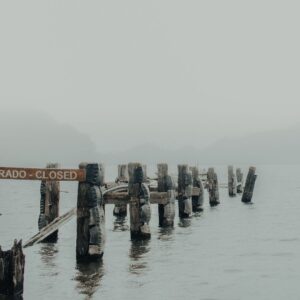
The extent of damage below the mud line drives the scope significantly. If rot has reached the pilings themselves, or if only decking and fasteners are compromised, the cost calculus changes. The size of your dock structure, the amount of new material needed, and whether you’re using marine-grade lumber for salt-air corrosion resistance in brackish water all factor in. The depth of pilings required depends on soil conditions and tidal swing around Ponce Inlet. Labor complexity also matters; some repairs require diver work or special equipment to assess or replace submerged elements. A detailed assessment reveals what’s actually involved.

Pre-season inspection before June is ideal, before hurricane season ramps up. If your dock suffered storm damage in the previous November or December, waiting through spring puts you at risk if another storm hits. Post-storm repairs should start as soon as damage assessment is possible and permits are filed with Volusia County. Smaller maintenance and cleaning work can happen year-round, but structural repairs depend on water conditions and whether diving or equipment access is needed. If you notice problems now, get assessed before peak season weather arrives rather than waiting until damage is catastrophic.

The answer depends on what you find below the mud line. If pilings are solid but decking and fasteners are compromised, repair usually makes sense. If structural framing is rotted or pilings have shifted significantly, replacement of that section becomes more cost-effective than piecemeal repairs. A thorough assessment shows you the actual condition; sometimes homeowners assume the worst and want to replace when a repair strategy would be smarter. Conversely, some try to patch failing structures when the cost of replacement would be lower. We assess first and explain what’s salvageable and what needs replacement.

Contact Ponce Inlet's Dock Repair Team

Your Halifax River dock doesn’t need sales pressure; it needs a clear-eyed assessment. We work on Ponce Inlet waterfront because we understand what this estuary does to structures. Whether you’re near Mosquito Lagoon or in a developed neighborhood, we assess first, propose clearly, and repair only what’s actually needed. Reach out when your dock feels unstable or your decking starts to give. We’ll tell you what we find.