
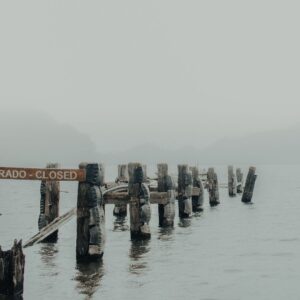

If your dock rocks when you walk across it, or if pilings look visibly leaned since the last storm season, the St. Johns River’s freshwater conditions and weed growth cycle may already be working on your structure. Fruitland’s low-density residential waterfront experiences year-round moisture cycling that weakens fasteners and erodes wood grain from inside out. Wind chop on the St. Johns River forces repeated moisture penetration and drying, which deteriorates boards and destabilizes pilings faster than many homeowners expect. A dock repair in Fruitland, FL that addresses root causes rather than just cosmetic fixes will outlast patches and band-aid solutions. St. Johns River frontage demands a diagnostic approach from the ground up.
A leaning piling often signals wash-around below the mud line, which left alone pulls the entire deck out of level and strains remaining supports. Boards that feel soft underfoot usually mean moisture has saturated the fasteners underneath, a common result of the St. Johns River’s freshwater weed growth cycling through wet and dry phases. Bulkhead undermining happens when river wash erodes soil behind the structure, cracking caps and destabilizing everything above. We focus on piling repair to stabilize the foundation, dock leveling to restore proper slope and drainage, and sea wall repairs to secure what sits behind. Early diagnosis prevents catastrophic failure.
Fruitland’s waterfront is mostly residential: homeowners with private docks, small commercial operations, and HOA-managed structures built decades ago needing structural refurbishment rather than replacement. We’re familiar with Putnam County permitting and seasonal inspection cycles. Our material choices account for the St. Johns River’s freshwater character with heavy weed growth and moisture-cycling wear, selecting hardware and coatings that outlast typical products. After Northeast Florida’s hurricane season (June through November), we assess storm damage and provide guidance on repair scope versus replacement. Whether your dock is on citrus heritage land or directly on St. Johns River frontage, we diagnose what’s failing before quoting work.
Schedule a free assessment of your Fruitland dock. We’ll walk your structure, probe suspected soft spots, check piling alignment, and look below the mud line for wash-around damage that photographs and casual inspection miss. On St. Johns River frontage, early diagnosis prevents emergency repairs mid-season. We assess what’s actually wrong before quoting any work.
If your dock rocks side to side when you walk across it, the pilings have likely shifted or weakened. Boards that feel spongy underfoot suggest moisture has reached the fasteners, a fast failure mode on the St. Johns River where freshwater weed growth cycles through wet and dry phases repeatedly. Uneven decking, with one section higher or lower than adjacent boards, points to settlement or piling movement. Bulkhead caps with visible cracks, or soil erosion behind the structure, indicate wall failure is underway. Any of these warrant immediate assessment.
The scope of damage beneath the surface drives cost more than any other factor. A few rotted piling splinters cost far less than replacing multiple pilings below the mud line or reinforcing a bulkhead. Dock size and linear feet of deck, railing, and wall matter significantly. Freshwater exposure with weed growth on the St. Johns River dictates material selection; marine-grade fasteners and coatings cost more than generic hardware but last longer. Accessibility for crews and equipment also affects labor scope.
Spring and early summer, before Northeast Florida’s hurricane season (June through November), is ideal for repairs. Pre-season inspection catches deterioration before storms stress weakened structures. If damage occurs during or after hurricane season, repairs can wait until spring if the dock remains usable and safe. Winter months on the St. Johns River present weather delays but are workable. Avoid major repairs during active storm season unless damage threatens immediate safety. Plan ahead rather than react.
Repair makes sense if pilings below the mud line are sound, framing members are straight and intact, and only decking, fasteners, or finishing need work. Replacement becomes necessary when multiple pilings show rot or shift, stringers are cracked or undersized, or the entire structure lists noticeably. Most Fruitland docks built decades ago benefit from targeted repair that modernizes sections while keeping the foundation solid. We assess piling depth, framing condition, and the scope of decking work required, then explain whether repair or replacement aligns with your situation and timeline.

Your Fruitland dock on the St. Johns River doesn’t need a sales pitch. It needs someone who can spot the actual problem: soft decking, misaligned pilings, bulkhead cracks, or undermine that won’t show up in a casual walk-through. We’ll examine your structure thoroughly, explain what we find, and outline repair steps. Then you decide. Reach out for a no-obligation look at what’s happening with your waterfront investment.