Dock Repair in Lakeside, FL

If your dock rocks when you walk across it, or if pilings look leaned since the last big weather event, you’re seeing the effects of Doctor’s Lake’s brackish tidal water and boat wake stress. Lakeside waterfront homes along Doctor’s Lake adjacent areas face constant salt-air corrosion that weakens fasteners and wood below the surface, especially in shallow-water setups around Black Creek tributaries. That’s not normal dock wear. That’s a symptom of damage that spreads exponentially the longer it sits. Dock repair in Lakeside, FL starts with diagnosis: what’s actually failing below the decking, and why it’s failing.

Dock Problems We See on Doctor's Lake

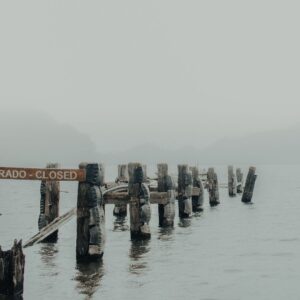
A leaning piling often signals wash-around below the mud line, which if left alone eventually pulls the decking out of level. In Doctor’s Lake’s brackish tidal water, that wash-around accelerates because salt-air corrosion weakens the piling’s structural core. Boat wake stress from passing traffic adds constant flex stress. We address this through piling repair, deck leveling when the settling spreads, and bulkhead inspection where undermining has started. Many Lakeside homeowners overlook the decking itself. Boards that feel soft underfoot usually mean the fasteners underneath have corroded, requiring either cleaning and sealing or full replacement depending on the wood’s integrity.

Marine Diagnosis for Lakeside Waterfront

Lakeside Waterfront Properties We Service

We work on residential waterfront homes in established neighborhoods around Doctor’s Lake, newer builds needing dock enhancements, and HOA-managed properties along Black Creek tributaries. Many Lakeside docks are mature installations built before current brackish tidal water and salt-air corrosion standards were understood. That’s why we use marine-grade materials and stay current with Clay County waterfront permitting requirements. Northeast Florida’s hurricane season (June through November) brings predictable wind and wave stress, so we also offer post-storm assessments and pre-season inspections. Whether your dock is 20 years old or brand-new, we diagnose what’s actually failing before proposing a solution.

Get Your Free Lakeside Dock Assessment

Your dock is telling a story about what’s happening below the surface. We assess what’s actually wrong before quoting. In Lakeside, we start with a thorough walk-through of your Doctor’s Lake shoreline and pilings, test for wood integrity and piling shift, measure any settling, then explain exactly what you’re seeing, why it’s happening, and what your options are. No guessing. No surprises.

Frequently Asked Questions

Docks on Doctor’s Lake show specific damage patterns. A leaning piling signals wash-around below the mud line, usually from brackish tidal water weakening the wood fibers. Boards that feel soft underfoot mean fasteners have corroded, a problem accelerated by salt-air exposure. Sections that sink unevenly point to piling settlement in the shallow shorelines around Lakeside. A misaligned or cracked bulkhead means the wall behind the dock is undermining. Any of these warrants an inspection.

Repair scope depends on how far the damage has spread. A single soft board costs less than replacing an entire frame or resetting pilings. Materials matter too: brackish tidal water and boat wake stress in Doctor’s Lake demand marine-grade fasteners and pressure-treated wood rated for salt-air corrosion. Dock size also affects labor and materials needed. A small residential dock requires different work than a longer approach stretching into Black Creek. We assess the extent before quoting the cost.

Spring and early summer are ideal for dock work in Lakeside, before hurricane season (June through November) brings unpredictable winds and waves. A pre-season inspection in April or May gives you time to repair soft spots or weak pilings before Doctor’s Lake’s boat traffic and weather stress intensifies. Post-storm work is urgent. After a hard blow, soft boards and shifted pilings become obvious. Don’t wait through the active season. Plan repairs now if your dock has visible problems, or schedule an inspection before the season starts.

Whether you repair or replace depends on what’s actually wrong. If pilings below the mud line are sound and the frame is level and dry, repairing the decking or cleaning and sealing can extend your dock’s life. If pilings are severely compromised by brackish tidal water corrosion, or if the entire framing is leaning or sinking, replacement may be the only safe option. We assess the piling integrity, measure the frame, inspect the wood condition, then explain which path makes sense. That’s why the first step is always diagnosis, not demolition.

Let's Assess Your Lakeside Dock Together

Dock damage in Lakeside isn’t one-size-fits-all. A soft spot on your deck near Black Creek could be fastener corrosion, wood rot, or moisture trapped between layers. Your leaning piling could be wash-around, ground shift, or old age. We schedule a site visit, measure what we find, walk you through the problem, then give you a clear quote based on what’s actually broken, not guesses. Dock repair starts with listening to your dock.