
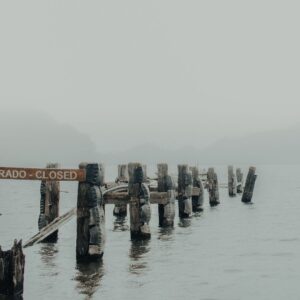
If your dock rocks when you walk across it, or pilings look leaned since the last storm season, the brackish waters and tidal action of the St. Johns River have likely started their work on your waterfront. Green Cove Springs homeowners along the river and in neighborhoods like Spring Park face relentless salt-air corrosion and boat wake stress that weakens fasteners, decks, and pilings over time. The combination of clay-bottom soil settling and seasonal river swings means dock repair in Green Cove Springs isn’t just about cosmetics, it’s about stopping problems before they compromise your deck’s safety and your boat’s security.
A leaning piling often signals wash-around below the mud line, common in the soft clay soils around Green Cove Springs. Left alone, it eventually pulls the whole decking out of level, making piling repair and dock leveling far costlier if delayed. Soft boards underfoot mean moisture has reached the fasteners underneath, where salt-air corrosion from the St. Johns River accelerates decay. Bulkhead cap cracks and undermining from boat wake stress demand sea wall repair to prevent foundation damage. Boat lift cables corrode quickly in this brackish tidal environment, making boat lift repair a routine concern.
Green Cove Springs waterfront ranges from established residential docks in neighborhoods like Spring Park to semi-private waterfront homes and commercial marina infrastructure near Reynolds Park. Whether you own a century-old piling system or a newer dock added during recent home upgrades, we understand Clay County waterfront permitting requirements and the particular wear patterns that brackish tidal water creates. Salt-air corrosion doesn’t affect all materials equally, which is why we specify marine-grade components for this environment. Post-storm assessments after Northeast Florida hurricane season are routine, as are seasonal inspections that catch wash-around and settlement before decking fails.
If rocking, leaning, or soft decking is part of your waterfront experience near Spring Park or anywhere along the St. Johns River in Green Cove Springs, we start with a free assessment. We diagnose what’s actually wrong before quoting any repairs. No high-pressure estimates, just a clear picture of the damage and what needs to happen next to keep your dock safe.
If your dock rocks when you walk across it, pilings may have shifted due to clay-bottom settling common around Green Cove Springs. Soft or spongy boards underfoot indicate moisture has compromised the decking, especially where fasteners connect. A leaning piling signals wash-around erosion below the mud line, a signature problem in the brackish tidal water of the St. Johns River. Misaligned bulkheads or visible gaps between sections after a storm season point to foundation movement from boat wake stress and tidal cycling. Any of these warrant a closer look before the problem spreads.
Damage type matters most. A single rotted section of decking costs differently than replacing pilings below the mud line or addressing bulkhead undermining. Dock size and the amount of material needed to spec out repair affects labor and material totals. The exposure level on your Green Cove Springs waterfront shapes material choice. If your dock gets direct St. Johns River tidal action and salt-air corrosion, marine-grade fasteners and treated lumber cost more than standard materials. Post-storm repairs often uncover additional problems once the main damage is cleared, which changes the scope.
Pre-season is ideal. Inspecting your dock before Northeast Florida hurricane season hits in Clay County (roughly June through November) gives you time to address settling, corrosion, and weak fasteners before severe weather tests your waterfront. Spring and early summer are good windows for repairs before storm activity ramps up. Post-storm, emergency repairs on compromised pilings or shifted sections can’t wait, even if the full rebuild happens later. Winter and early spring are actually your best windows because water levels are stable and contractors aren’t juggling emergency calls. The sooner you catch deterioration, the smaller the repair scope becomes.
If pilings below the mud line are solid, selective decking repairs often make financial and practical sense. If pilings show rot, leaning, or heavy corrosion from brackish tidal water, replacement of those sections becomes necessary even if the rest of the deck is sound. Framing integrity matters too. If beams are cracked or bolts are severely corroded by St. Johns River salt-air exposure, piecemeal repairs can lead to safety gaps. The best way to decide is a proper site inspection that looks at soil condition, piling soundness, and the actual scope of visible damage. Assessment first, then a clear recommendation.
Your St. Johns River dock doesn’t have to deteriorate predictably. The sooner we examine settlement, corrosion, and structural integrity on your Green Cove Springs waterfront, the sooner we outline what needs fixing versus what can wait. Whether your dock sits near Reynolds Park or in a quieter cove, clay-bottom erosion and tidal stress are advancing on your pilings right now. Schedule a site visit and let us show you exactly where the problem starts.