
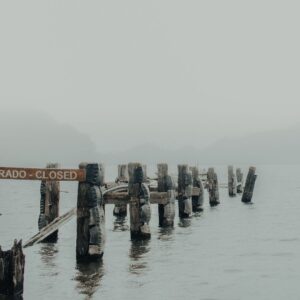
If your dock rocks when you walk across it, or if pilings look leaned since the last storm season, your Orange Park waterfront needs attention. Doctor’s Lake’s brackish tidal water creates persistent salt-air corrosion, and the wake stress from boat traffic constantly works against piling integrity. These conditions wear docks faster than many homeowners expect. Most Orange Park properties on Doctor’s Lake face similar challenges: the water table shifts seasonally, wood fasteners corrode beneath the surface, and without proper assessment, a minor piling issue becomes a safety risk. Dock repair in Orange Park isn’t just about fixing what’s broken; it’s about understanding what Doctor’s Lake does to pilings and decking year after year.
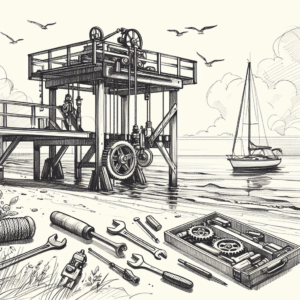
A leaning piling often signals wash-around below the mud line, and if left untreated, eventually pulls the entire deck out of level. That’s where piling repair and dock leveling come in. Boards that feel soft underfoot usually mean moisture has reached the fasteners, which is why most Orange Park homeowners end up needing decking work or cleaning and sealing to stop progression. Boat lift repair becomes critical too, since cable corrosion from brackish tidal water happens faster than most assume. The root cause across all these failures is Doctor’s Lake’s salt-air exposure and wake stress. We diagnose which components are actually compromised before quoting repair scope.
Orange Park’s waterfront spans residential single-family docks around Doctor’s Lake and multi-unit communities near Black Creek. Most of our work comes from homeowners who notice seasonal settling or post-storm damage. We’re familiar with Clay County waterfront permitting, which speeds the repair process. Material choices matter here: brackish tidal water with salt-air corrosion and boat wake stress demands marine-grade fasteners and wood treatments that standard builders overlook. After Northeast Florida’s hurricane season, we see a spike in damage assessments and structural repairs. Whether your dock is 15 years old or newly built, the local conditions remain the same. Doctor’s Lake works hard against your pilings and deck every single day.
Before you spend money on repairs, bring us out to walk your Orange Park dock. We’ll assess what’s actually wrong. A soft board, a leaning piling, a sunken corner near Orange Park Mall: each points to a different failure pattern. We show you what we find and explain what needs work versus what can wait. No guessing, no pressure to overhaul everything at once.
Look for these signs on your Orange Park dock. A piling that leans, especially if it’s visibly off vertical, means the mud line below has eroded or shifted. Boards that feel soft or bounce underfoot indicate moisture damage beneath the deck, often from brackish tidal water seeping into fasteners. A sunken section where one corner or edge sits lower than the rest suggests settlement. Finally, if your bulkhead cap is cracked or the wall below looks undermined, the underlying structure has started to fail. Any of these conditions on Doctor’s Lake mean the dock won’t hold safely much longer.
Several factors shape repair cost on an Orange Park dock. The scope of damage matters most: a rotted piling costs more to replace than a loose board. Material choice also matters, especially around Doctor’s Lake, where brackish tidal water and salt-air corrosion demand marine-grade fasteners and pressure-treated wood or composite decking. Your dock’s size and how many pilings or sections need work affect labor. Seasonal timing can influence scheduling. And accessibility on Doctor’s Lake, like proximity to Orange Park Mall, can affect setup and staging.
The best time to repair an Orange Park dock depends on your situation. If you’ve spotted damage, schedule work before hurricane season in June. That way your dock is solid when storms hit. If a storm already damaged your dock, get an assessment immediately to determine if it’s safe. Spring and early summer are ideal for non-emergency repairs, since the water level is stable and crews can work steadily. Avoid waiting until August or September, when the season peaks. Post-season inspection in December shows whether your dock weathered the year or needs repairs before spring.
The answer depends on what we find below the surface. If pilings are sound below the mud line and the framing still has integrity, repair wins: replace the decking and upgrade fasteners for Doctor’s Lake’s brackish tidal conditions. If one or two pilings show rot or major wash-around, repair those pilings and affected decking. But if multiple pilings are compromised or the frame is severely undermined, replacement makes sense long-term. This is why we always assess first. We’ll show you the piling condition, framing state, and actual repair scope. Then you decide based on facts, not guesses.
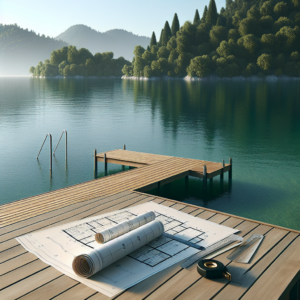
Questions about your dock’s condition? Wondering what Doctor’s Lake has done to your pilings or decking over the seasons? We start every conversation the same way: with a walk-through of your Orange Park waterfront property and an honest assessment of what’s damaged and what needs repair. No pressure sales, no upsell of unnecessary work. Just a clear explanation of what we find and what it costs to fix. Call to schedule your assessment.