
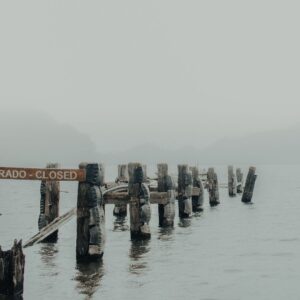
If your dock rocks when you walk across it, or if pilings appear leaned after recent storms, the brackish tidal waters of the St. Johns River and constant boat wake stress are likely at work. Fort Caroline’s waterfront sits within the Timucuan Ecological Preserve, where salt-air corrosion accelerates deterioration on residential docks. Dock pilings in this area weaken from below the mud line, compromising fasteners and rotting wood that spent decades cycling through wet and dry conditions. Professional dock repair in Fort Caroline FL starts with understanding what the river environment does to your structure year-round.
A leaning piling often signals wash-around below the mud line, which erodes the supporting soil and eventually pulls the decking out of level. Piling repair addresses the root cause before it spreads. Soft decking underfoot usually means moisture has compromised fasteners, requiring targeted replacement rather than full demolition. The St. Johns River’s brackish tidal swings and boat wake pressure create unique stresses on Fort Caroline docks. Dock leveling corrects settling after environmental damage, while bulkhead caps prevent undercutting. Seasonal storms leave pilings exposed and weakened, making post-season assessment critical.
Fort Caroline’s waterfront includes established residential properties, newer builds seeking dock enhancements, and semi-private community docks within the Timucuan Ecological Preserve boundary. Homeowners here face unique challenges: environmental permitting requirements, shoreline-sensitive construction protocols, and the relentless salt-air corrosion from St. Johns River’s brackish tidal water. We’re familiar with Duval County’s waterfront regulations and use marine-grade fasteners and pressure-treated materials rated for constant salt-air exposure and boat wake stress. After Northeast Florida’s hurricane season (June through November), we assess pilings for storm damage and underlying deterioration before recommending repairs.
A free assessment of your Fort Caroline dock beats guessing what’s wrong. We’ll walk the decking, probe pilings below the waterline, and evaluate salt-air corrosion damage specific to St. Johns River conditions. Whether your dock serves a home near Fort Caroline National Memorial or a riverside cottage, we diagnose the actual problem before providing a clear repair estimate.
A rocking feeling when you walk across the decking often signals piling shift or settlement. Soft spots underfoot mean moisture has saturated fasteners and wood structural members. Pilings that lean visibly out of plumb after storms suggest wash-around erosion below the mud line, a common failure pattern on St. Johns River docks exposed to brackish tidal cycles and boat wake pressure. Bulkhead caps that crack or bow inward indicate undercutting by tidal scour. Any of these symptoms means the underlying structure is already weakened and deteriorating faster than you may realize.
Repair scope depends on how far deterioration has spread below the waterline. Replacing small piling sections differs dramatically from replacing rotted framing or entire structural bays. The brackish tidal water and salt-air corrosion in the St. Johns River area demand marine-grade materials, which differ from standard lumber. Dock size, number of pilings, and whether bulkhead work is involved all affect material and labor needs. Pilings with rot only at the mud line present different repair challenges than those compromised throughout their length, and environmental permitting in the Timucuan Preserve area may add phases to the project.
Pre-storm season inspection (April and May) catches damage before hurricane season arrives in Northeast Florida. June through November brings tropical storms and nor’easters that expose weaknesses in pilings and fasteners under wave action and surge. If you notice problems during or after storm season, addressing them promptly prevents further salt-air corrosion from accelerating deterioration. Seasonal tidal swings in the St. Johns River exacerbate existing damage, so delays often mean more extensive repairs become necessary. Dry-season work (November through March) allows proper material staging and environmental compliance in the Timucuan Preserve area.
The decision rests on what’s actually damaged below the waterline. A dock with sound pilings but soft decking might warrant selective board replacement and fastener upgrades. If pilings show rot extending above the mud line or significant lean, full replacement becomes the better choice. Framing integrity underneath the decking matters more than surface appearance. An assessment reveals whether brackish tidal water and salt-air corrosion have weakened the entire structure or just certain sections. Some Fort Caroline docks gain decades of life with targeted repairs, while others with widespread underwater deterioration truly need full replacement.

Docks on the St. Johns River shift, settle, and weaken differently than inland structures. Before seasonal storms or regular deterioration forces an emergency replacement, reach out for a waterfront assessment. Fort Caroline’s docks deserve inspection by someone who understands how brackish tidal water, boat wake stress, and salt-air corrosion interact on pilings and decking. We’ll identify what needs repair now and what can safely wait, so you invest only where repairs truly matter most.