
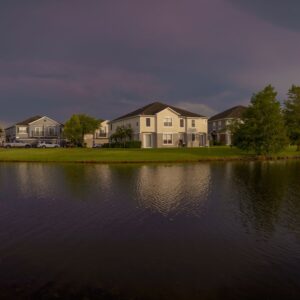

If your dock rocks when you walk across it, or if pilings look leaned since the last storm season, the St. Johns River conditions around Switzerland are likely the culprit. Our freshwater river with weed growth and wind chop creates moisture-cycling wear that accelerates decay in pilings and fasteners below the waterline. On the wider sections near Switzerland Point Park, longer dock runs see compounded stress from water movement. Dock repair in Switzerland, FL starts with diagnosing what’s actually wrong: is it wash-around at the mud line, soft decking, or structural settlement? Let’s assess first.
A leaning piling often signals wash-around below the mud line, which eventually pulls the decking out of level. Piling repair addresses this before structural collapse happens. Boards that feel soft underfoot mean moisture has reached the fasteners, a sign that dock leveling and decking assessment are overdue. The freshwater environment with weed growth cycles moisture constantly through wood and fasteners below the surface. Boat lift repair addresses cable and motor wear, common on older St. Johns River docks throughout Switzerland. Bulkhead undermining often follows years of persistent water movement against unprotected edges and corners.
We work with residential waterfront owners, small commercial operations, and HOA-managed properties throughout St. Johns County. Many of our clients own older docks with longer runs on the wider sections of the St. Johns River, where structural refurbishment beats replacement economics. We’re familiar with St. Johns County permitting requirements and marine-grade materials suited to freshwater with weed growth conditions. Our assessment approach accounts for the Northeast Florida hurricane season, June through November, when storm surge and wind damage accelerate piling failure and bulkhead stress. Around Trout Creek and Switzerland Point Park, we often perform pre-season inspections and post-storm repairs on established properties where downtime hits hard.
Request a free assessment of your Switzerland dock and pilings. We’ll walk the decking, check below the waterline, and identify exactly what needs repair. No guesswork, no generic quotes, no surprises. If you’re seeing signs of leaning pilings, soft boards, or unlevel sections near Switzerland Point Park, an honest assessment is the first step. We assess first, then quote clearly based on what we actually find. Schedule your assessment today.
Look for a leaning piling, which signals wash-around below the mud line. Boards that feel soft or spongy underfoot often mean fasteners have corroded from constant moisture cycling, common in our freshwater St. Johns River environment. Sinking sections, where one part of the decking sits lower than the rest, suggest piling settlement. A misaligned bulkhead or gaps widening between the cap and pilings indicate water pressure and undermining. These aren’t cosmetic issues; each one accelerates structural failure.
The main factors are the scope of damage, the materials needed for local conditions, and the dock’s size and run. A leaning piling that requires underwater work costs more than surface decking repair. Freshwater with weed growth demands marine-grade fasteners and sealants that resist moisture cycling. Longer dock runs on St. Johns River require more materials and labor time. Bulkhead or boat lift damage adds complexity. We assess each dock individually so the quote reflects exactly what the structure needs, not a generic formula.
The ideal window is May through early June, before Northeast Florida hurricane season hits in June. Pre-season inspection in late spring catches problems before wind and water stress become severe during summer and fall. If you wait until after a storm, repairs often take longer because damage compounds across multiple systems. Post-storm work in December through April is reactive and more costly. For Switzerland properties, plan assessment in spring so you’re ready before the heaviest season. Emergency repairs after storms are necessary, but prevention is smarter.
The decision rests on three factors we assess first: piling condition below the mud line, structural framing integrity, and decking scope. If pilings are sound and only surface fasteners or decking have failed, repair makes economic sense. But if pilings show rot or significant wash-around, replacement may be the better long-term choice. The key is thorough inspection, not guesswork. On older Switzerland docks where the original structure is solid but fasteners have corroded from freshwater moisture cycling, targeted repair extends life another decade or more. We’ll tell you honestly which path fits your dock.
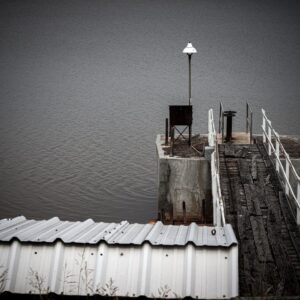
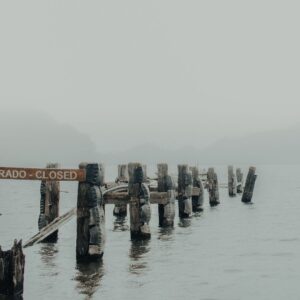
Your dock on the St. Johns River around Switzerland tells a story through its pilings and decking. We read that story first: wash-around patterns, fastener decay, wood softness, settlement clues. Every repair starts with diagnosis, never with assumptions. Whether your dock serves Trout Creek property or runs longer on the river, we know the local water conditions and how they wear structures over time. Ready to stop guessing and start knowing? Contact us for your assessment.