
If your dock rocks when you walk across it, or pilings lean after storm season, Summer Haven’s position between two rivers creates repair challenges other Florida waterfront doesn’t face. The Matanzas River here moves with tidal currents and salt-air conditions that corrode fasteners, weaken wood fibers, and stress older piling systems. Docks built decades ago along Old A1A were designed for different water dynamics. Seasonal channel shifting between the Matanzas and Summer Haven Rivers adds sideways pressure on aging structures. If your decking feels soft or moves when you step near pilings, professional dock repair in Summer Haven FL is worth scheduling before winter storm season arrives.
A leaning piling often signals wash-around below the mud line, which if ignored eventually pulls the entire decking out of level. Our piling repair work addresses rot, frost heave, and tidal scour common in brackish water like the Matanzas. When your dock sinks unevenly, leveling restores proper slope for water drainage. Salt-air corrosion attacks decking fasteners and framing joints, so seasonal cleaning and sealing keeps wood fibers protected. Undermining at the shoreline, where tidal movement weakens soil under bulkheads, requires sea wall repair to prevent catastrophic failure. Summer Haven’s dual-river location means double-exposure damage patterns most single-river docks never see.
We work with homeowners on private docks, commercial waterfront operators, and HOA communities maintaining shared structures. Summer Haven’s rural character means each property has its own repair needs: what works for one setup along Old A1A doesn’t transfer directly to the next pier. We’re familiar with St. Johns County waterfront permitting and inspection timelines near county channels. Materials for brackish tidal water with salt-air corrosion and boat wake stress differ from other specs. After Northeast Florida storm seasons, we assess structural integrity below the waterline, where hidden damage from tidal movement and corrosion often determines whether a dock can be salvaged or needs rebuilding.
Schedule a free assessment of your Summer Haven dock. We inspect below the waterline and evaluate pilings for structural integrity, checking for rot, corrosion, or wash-around damage near Old A1A properties. We show you what’s failing and explain why, offering repair options without pressure to act immediately if the work can wait safely. Most repairs make sense now; some don’t.
If your dock rocks side-to-side when you walk across it, the pilings may have shifted from tidal movement or settled unevenly. Decking that feels soft or spongy underfoot usually means moisture has reached fasteners and framing below the surface. A visible lean in any piling signals wash-around erosion at the mud line. Uneven deck height after recent storms points to piling settlement. Cracks in bulkhead caps or undermining at the shoreline are signs of tidal scour. Summer Haven’s brackish water with salt-air corrosion and boat wake stress accelerates these failures, so early detection matters.
Damage type is the largest factor: replacing a single rotten piling costs differently than reinforcing pilings throughout a 40-foot dock. Dock size and layout matter, too. The materials required for brackish tidal water with salt-air corrosion and boat wake stress conditions in the Matanzas River are more specialized than standard lumber. Seasonal urgency (storm prep versus off-season inspection) affects scheduling flexibility. Hidden damage below the waterline adds to the scope once we assess, because what looks like surface rot may extend deep into framing. Permit requirements from St. Johns County can add scope depending on work type.
The best time is before Northeast Florida’s hurricane season (June through November). A pre-season inspection in April or May reveals repairs needed for summer safety. After storm season, assess damage within days: water infiltration into wood continues degrading structure. If a repair can wait until late fall or winter, scheduling flexibility improves. Never delay piling repairs if wash-around is active or visible leaning has worsened. Summer Haven’s dual-river location means rapid tidal movement can accelerate existing damage. Winter (December through February) offers ideal work conditions when boat activity drops and weather cooperates.
Assess the pilings first, especially below the mud line where tidal action and corrosion hide. If pilings show rot over more than half their diameter or structural testing shows compromised integrity, replacement may be the only safe path. If framing joints are soft but pilings remain solid, repair is often viable. Decking scope matters too: replace it all if rot is widespread, or refresh boards and fasteners selectively. The diagnostic walk determines this. Summer Haven’s older private docks often respond well to piling replacement paired with deck refresh because structural bones can be salvaged.
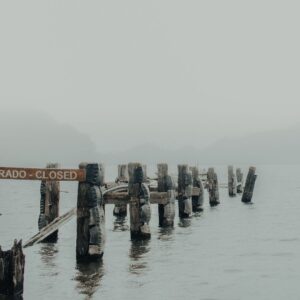
Reach out to discuss your Summer Haven dock condition. We start every project with a clear-eyed inspection, not a sales pitch. Whether your pilings show tidal scour, your decking feels soft underfoot, or your bulkhead has settled since the last big storm, we’ll walk the property along the Matanzas or Summer Haven Rivers, identify what needs work, and explain your real options. Contact us when you’re ready to get answers, not pressure.