
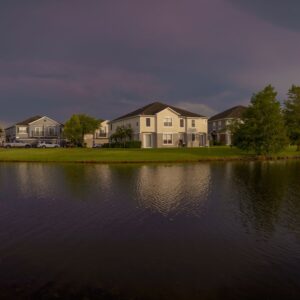

If your dock rocks when you walk across it, or if pilings look leaned since the last storm season, the brackish Intracoastal Waterway is likely to blame. St. Augustine Beach docks face steady salt-air corrosion, tidal pressure, and wake stress that weakens fasteners and shifts wood below the waterline. After a few years on the Intracoastal, pilings that seemed solid can settle unevenly, and decking that feels soft underfoot usually means moisture has reached structural fasteners. Residents near the St. Johns County Ocean and Fishing Pier see these patterns year-round. Professional dock repair in St. Augustine Beach starts with identifying what water conditions have damaged, not guessing what needs fixing.
A leaning piling often signals wash-around below the mud line, which if left alone eventually pulls the decking out of level. On the brackish Intracoastal, this happens faster because tidal water scours around pilings year-round. Piling repair or dock leveling stops the domino effect. If your boards feel soft underfoot, moisture underneath has usually corroded fasteners and framing wood. Cleaning and sealing restores surface protection. Bulkhead failures at the waterline show as cracks in the cap or soil wash-out behind. Bulkhead repair keeps the whole structure tied together when pilings shift. Boat-lift motors and cables also corrode quickly in salt air; lift repair prevents stranding at the worst moment.
Residential dock owners on A1A Beach Boulevard and along the Intracoastal Waterway depend on repairs that account for brackish tidal conditions and salt-air corrosion, not freshwater anchors or fast fixes. We assess what’s actually failing below the waterline before quoting work, because tidal scour and piling settlement look different than simple rot. Older docks installed before seawall reinforcement was standard need custom solutions that stay compliant with St. Johns County waterfront permitting. Newer builds around St. Augustine Beach often want dock enhancement after initial settling. HOA communities managing multiple units need systematic maintenance plans for salt exposure rather than reactive repairs.
Call for a free assessment of your St. Augustine Beach dock on the Intracoastal. We check what water conditions have actually damaged, what’s safe to repair versus replace, and what will fail next if left alone. Pilings, decking, bulkhead, boat lift, sealing, and settling issues all show different failure patterns under brackish tidal pressure. A clear diagnosis now keeps you from guessing or overpaying later.
A leaning piling is the clearest sign, especially on the Intracoastal where tidal scour undermines support below the mud line. Decking that feels soft or squishy underfoot usually means fasteners and framing wood underneath have corroded from salt-air exposure. Uneven sections after a storm season point to piling settlement or heaving. Bulkhead failures show as cracks in the cap or soil washing out behind the structure. If you notice the dock rocking when you walk across it, or if steps and railings have shifted out of alignment, water damage is moving fast.
Damage type matters most: a simple sealing job to protect against salt-air corrosion costs less than piling replacement, which requires assessing damage below the mud line in brackish tidal water. Dock size and how much of the structure has failed determine material needs and labor scope. Whether the job involves just decking, or pilings, bulkhead, boat lift, or leveling, each adds complexity. St. Johns County waterfront permitting requirements can affect project scope if the original installation needs updating. The Intracoastal’s tidal conditions mean materials must handle salt exposure year-round, which influences selection.
Plan repairs between June and November hurricane season ideally, before storm damage occurs. Post-storm assessments are critical: if a nor’easter or tropical system hits St. Augustine Beach, inspect pilings, bulkhead, and decking for wash-around or settling right after. Spring is ideal for sealing and maintenance work that prepares for summer salt exposure and tidal stress. If you notice warning signs like soft decking or leaning pilings any time of year, assess them immediately rather than waiting. Brackish Intracoastal conditions mean damage progresses fast once fasteners start corroding, so preventive work beats emergency repair.
The question is not what you want to do, but what the Intracoastal has actually damaged. Inspect pilings below the mud line first: if they are sound and only decking failed, repairs make sense. If tidal scour has undermined pilings and they list, replacement becomes necessary. Framing integrity matters too, because corroded fasteners can weaken the entire assembly even if surface wood looks solid. Most St. Augustine Beach docks fall between minor sealing and full replacement. A detailed assessment identifies which category yours is in, then you decide based on facts rather than guessing.
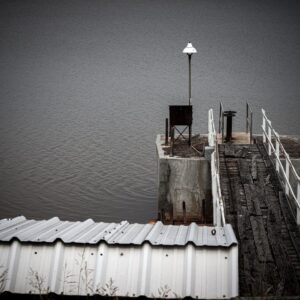

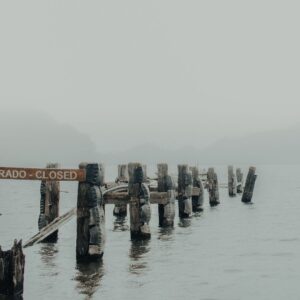
Your St. Augustine Beach dock on the Intracoastal tells a story: tidal scour patterns, salt-air damage, settling history, fastener corrosion. We read that story during a free assessment and explain what actually needs fixing and why. No guessing, no unnecessary work, no timeline pressure. Whether it’s routine maintenance for salt exposure, bulkhead sealing, or major piling work, we start by identifying the real problem, then build a clear repair plan that matches your waterfront reality.