
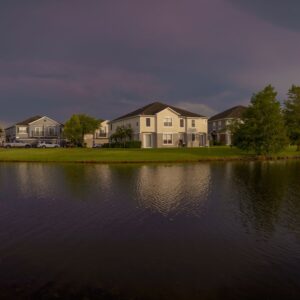
If your dock rocks when you walk across it, or pilings look leaned since the last storm, Halifax River conditions are the cause. South Daytona docks on the Halifax River and around Reed Canal Park face constant pressure from brackish tidal water, salt-air corrosion, and boat wake stress. Properties often have main river docks plus smaller canal-side floating sections, each needing attention. Mature docks on established waterfront lots deteriorate faster here than freshwater systems. Dock repair in South Daytona starts by assessing whether damage is surface decking wear or structural piling shift and bulkhead failure. Newer builds often need enhancement work to handle marine conditions.
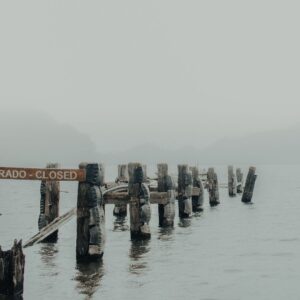
A leaning piling often signals wash-around below the mud line, which eventually pulls the decking out of level if left alone. Boards that feel soft underfoot usually mean moisture has reached fasteners underneath. On Halifax River docks, brackish tidal water, salt-air corrosion, and boat wake stress accelerate this decay. Piling repair addresses leaning pilings before they fail completely. Dock leveling corrects settled sections, while boat lift repair handles cable and motor issues from corrosion. Sea wall and bulkhead work stops undermining at the waterline. Many properties benefit from scheduled cleaning and sealing to slow deterioration.
South Daytona waterfront homes run the spectrum from established residential properties along Halifax River to newer builds near Big Tree Park, plus semi-private docks managed by HOAs. Each property type needs different expertise. We navigate Volusia County waterfront permitting and source marine-grade materials for brackish tidal water, salt-air corrosion, and boat wake stress. Post-storm assessments after Northeast Florida hurricane season reveal piling settlement, bulkhead undermining, and framing damage typical contractors miss. We assess what’s actually compromised before recommending repairs, which saves owners money on unnecessary work. Properties with canal-side floating sections for kayaks receive special attention to keep river and canal docks aligned.
Schedule a free assessment before June brings hurricane season. Our evaluation identifies structural issues below the waterline that you can’t see from the dock surface. We explain what’s wrong, what needs repair now, and what can wait. South Daytona properties near Reed Canal and along Halifax River often have surprises once we inspect the pilings and bulkhead. We quote clearly after we’ve diagnosed, so you know the scope before making decisions.
Look for pilings that lean away from vertical or show dark staining below the waterline, which signals rot inside. Decking that feels soft or bouncy underfoot, especially around fasteners, means moisture has compromised the wood structure. Sections of the dock that sink lower than others after rain point to piling settlement. Bulkheads that look cracked, bowed, or misaligned are failing. On the Halifax River with brackish tidal water, salt-air corrosion, and boat wake stress, these failures accelerate faster than in other environments. Any of these signs means an assessment will reveal the actual damage underneath.
The scope of damage drives cost more than anything. A piling with surface rot costs less than one needing full replacement due to wash-around below the mud line. Dock size matters. Larger systems with multiple pilings or canal-side sections cost more than smaller platforms. Materials matter on Halifax River. Preserving pilings in brackish tidal water, salt-air corrosion, and boat wake stress requires marine-grade fasteners and sealants that last longer than standard hardware. Whether you need just decking work or full structural overhaul is the biggest variable determining total cost.
The safest time is after inspection but before hurricane season in June. If you spot problems in spring, repair them so your dock is stable before storms. If a storm passes and leaves visible damage, assess it right away. Water damage spreads fast, and loose pilings become dangerous. Winter and early spring are ideal for non-emergency work with milder weather and good contractor availability. South Daytona properties should schedule pre-season inspection by May. Post-storm repairs need urgency, as Volusia County waterfront can face multiple systems in autumn.
The decision hinges on what’s broken. If pilings below the mud line are solid but need new fasteners and decking, repair makes sense. If pilings are rotted through at the core, replacement is the only safe option. The same applies to bulkheads and framing. A dock with sound structure but worn decking gets new boards. One where pilings have shifted or bulkhead has collapsed needs extensive work. That’s why assessment comes first. We inspect below the waterline and inside the frame, then explain whether your dock can be repaired or needs full replacement.
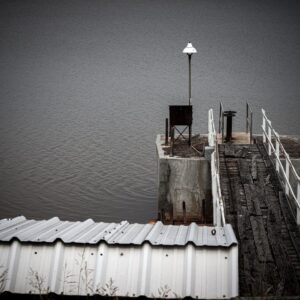
Your dock serves your waterfront lifestyle, and we keep it safe for you. South Daytona properties from the main Halifax River around Big Tree Park and the smaller canals need specialized assessment to catch deterioration before it becomes a safety issue. We inspect pilings, bulkheads, decking, and floating sections with the same rigor. If repairs are needed, we discuss options based on actual damage, not guesses. Reach out for a diagnosis. We’ll tell you what we find and what it takes to fix.