
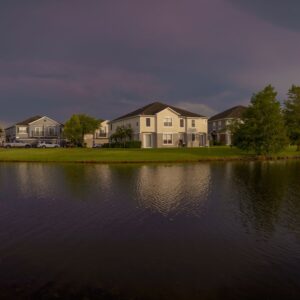

If your San Mateo dock rocks when you walk across it, or if pilings look leaned since the last storm season, the St. Johns River’s constant moisture cycling and weed growth may have loosened the soil around them. Properties along Dunns Creek and the main St. Johns River channel face similar wear: freshwater saturation weakens fasteners underneath the decking, wind chop stresses piling caps, and the narrow channel’s current patterns scour below the mud line. Dock repair in San Mateo isn’t just about replacing a few boards. The river’s character shapes what fails first and how quickly it spreads. Identifying the root cause before repairs start prevents costly re-work.
A leaning piling often signals wash-around below the mud line. Left unchecked, it pulls decking out of level. That’s where piling repair becomes critical on the St. Johns River, where freshwater saturation and weed growth accelerate undermining. Soft decking underfoot usually means moisture has reached fasteners underneath. If your boat lift cable frays or the motor slugs, don’t ignore it. Failure can escalate to structural damage quickly. Wind chop and settlement also demand dock leveling to prevent binding between sections. For long-term protection, cleaning and sealing your deck in the off-season slows moisture penetration through the river’s moisture cycling.
We work with homeowners along San Mateo’s St. Johns River frontage who manage private docks, property management companies overseeing multi-unit waterfront developments, and the occasional small commercial dock operation on Dunns Creek. Many of our clients have older, established structures that need refurbishment more often than replacement. We’re familiar with Putnam County waterfront permitting, material specs for freshwater conditions with seasonal weed growth, and the wind patterns that stress St. Johns River pilings. After Northeast Florida’s hurricane season stretches through November, we handle post-storm assessments and repairs on properties from San Mateo northward. The goal isn’t a quick patch. It’s a dock that holds safely for years.
Soft decking, a leaning piling, or a dock that feels less stable than it did last season all point to different root problems. We assess what’s actually wrong with your structure before quoting repairs. Call for a free walk-through of your San Mateo dock on the St. Johns River or Dunns Creek. We’ll identify what’s failing first and explain your options clearly, no pressure.
A leaning or tilted piling is usually the first sign. Look for soft or spongy decking underfoot, which signals moisture has reached the fasteners. If water pools in low spots after rain, that points to settling pilings on the St. Johns River’s moisture-cycling banks. Check where decking meets the water line for green rot or softness. In Putnam County’s freshwater channel conditions, moisture penetration happens year-round. Any of these symptoms means a structural assessment should be your next step.
The extent of rot below the decking determines scope more than surface damage does. A single piling with wash-around costs far less to fix than three pilings with rot in the framing. Dock size and layout matter too; longer docks need more materials and time. The material you choose for freshwater conditions on the St. Johns River depends on your budget and the wear pattern you’re seeing. Weed growth and moisture penetration in Putnam County freshwater docks accelerate certain failures over others. A proper assessment catches hidden damage before it doubles your repair footprint.
Spring through early June is ideal for repairs because you’re finished before hurricane season arrives. If you notice a problem in July or August, flag it for assessment but plan the repair for fall once the season wanes. Post-storm assessments matter on the St. Johns River because wind chop and surge can hide damage for weeks. Pilings that shifted during a storm may fail completely in the next blow. In Putnam County, we recommend pre-season inspections each May, then again after November to catch winter’s moisture damage before spring thaw arrives.
It depends on what’s actually failing underneath. If pilings are solid below the mud line but decking has rotted, repair is usually the right move. If rot has reached the piling caps or the frame sits on unstable pilings, replacement may be smarter long-term. The only way to know is a thorough site assessment of your St. Johns River or Dunns Creek dock. Look at piling tilt, wood hardness below deck, and whether fasteners are rusted or loose. In Putnam County’s freshwater environment, we often repair in sections rather than replace wholesale, keeping costs down while solving the actual problem.
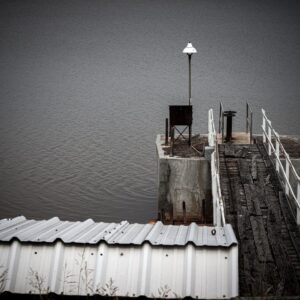
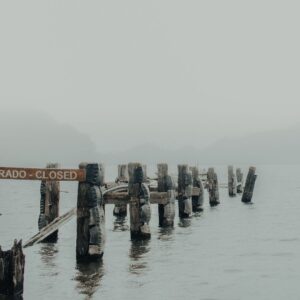
Your dock didn’t fail overnight. Moisture, wind, and time work together, especially on the St. Johns River’s lower reaches around San Mateo and Dunns Creek where the narrower channel funnels current directly at pilings. The right repairs address the actual damage, not just the visible symptoms. Reach out for a straightforward site assessment. We’ll look under the decking, check for rot and movement below the mud line, and walk you through what needs attention and why.