
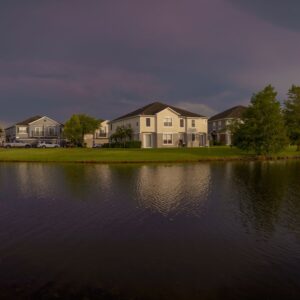

If your dock rocks when you walk across it, or if pilings look leaned since the last storm season, the Halifax River environment in Port Orange is likely at fault. The brackish tidal water that surrounds neighborhoods from Dunlawton Bridge south to Rose Bay brings salt-air corrosion and constant boat wake stress that fatigues even solid pilings. Decking that feels soft underfoot usually means moisture has reached the fasteners underneath. These are the signature problems we see in dock repair in Port Orange, FL, year after year. The water itself is the culprit, and the fix requires understanding exactly what has failed beneath the surface.
A leaning piling often signals wash-around below the mud line, which if left alone eventually pulls the decking out of level. In Port Orange, brackish tidal water with salt-air corrosion and boat wake stress accelerates this process. Piling repair addresses the root cause, but the domino effect extends beyond pilings. Uneven decking after a storm season points to piling settlement and may require dock leveling. If your bulkhead shows cap cracks or undermining, sea wall and bulkhead work prevents further foundation loss. For boat owners, frayed cables or sluggish motors mean it’s time for boat lift repair. Each repair type targets a specific failure pattern that Halifax River conditions create.
We work with residential homeowners along Halifax River neighborhoods, semi-private waterfront communities near Dunlawton Bridge, and HOA-managed properties that require coordinated assessments and repairs. Familiarity with Volusia County waterfront permitting means your repair moves without bureaucratic delays. We specify marine-grade materials suited to brackish tidal water with salt-air corrosion and boat wake stress, not generic hardware-store alternatives. Port Orange waterfront properties often face post-storm damage assessments after Northeast Florida’s hurricane season, and we’ve learned which pilings, fasteners, and decking systems hold up longest in this environment. Our diagnostic approach fits residential budgets and timelines, not one-size-fits-all solutions.
Call for a free assessment of your dock around Port Orange and Spruce Creek waterfront. We look at what’s actually wrong before writing a quote: soft decking underfoot, leaning pilings, bulkhead undermining, and boat lift motor issues all need different fixes and materials. One conversation clarifies the scope, what’s needed, and the next realistic steps. No pressure, no generic estimates.
Leaning pilings are the most obvious sign, but look also for soft decking that gives underfoot, indicating moisture damage to fasteners. Uneven sections after storms point to piling settlement, and sinking decks at one end signal foundation failure below the mud line. Bulkhead caps that show cracks or separation, or areas where sand washes away around the pilings, mean the brackish tidal water with salt-air corrosion and boat wake stress of Halifax River is actively undermining the structure. Any of these warrant a diagnostic assessment.
Several factors drive the scope and materials needed. Damage type matters most: a few rotted pilings require different work than wholesale foundation failure. Dock size and how many sections need attention determine labor hours. Materials are critical in Port Orange, where generic fasteners corrode quickly in brackish tidal water with salt-air corrosion and boat wake stress. Marine-grade stainless steel and composite materials cost more than standard hardware but hold up through Northeast Florida hurricane seasons. The depth and accessibility of damaged pilings, and whether you can dock during work, also shape what’s possible and practical.
Timing depends on urgency and weather. If pilings are leaning or decking is soft, don’t wait, but plan non-emergency repairs between December and May, outside Northeast Florida’s hurricane season from June through November. Late spring, around May, is ideal for pre-season inspections: you can spot what will fail under summer storm stress and address it before season arrives. After storms, damage assessment and emergency stabilization can happen any time, but permanent repairs often wait for calmer water and permitting clearance. Port Orange waterfront permits move smoothly with proper documentation, which takes time.
The decision rests on what’s actually failing. If pilings are sound below the mud line and the frame is square, decking replacement alone can add years. But if pilings are rotted, leaning, or washing away at the base, you’re patching a sinking foundation, and replacement makes more sense. A diagnostic assessment reveals the actual condition: Are the pilings structurally solid? Is the frame sound? How much decking has moisture damage? Once you know what you’re working with, the math becomes clear. Port Orange waterfront repairs often favor targeted fixes over replacement, but only assessment tells the story.
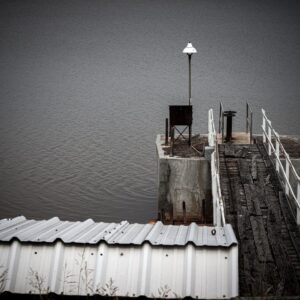
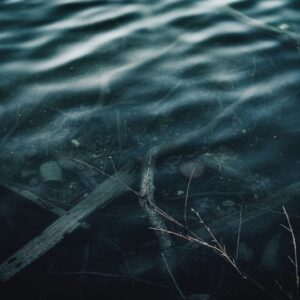
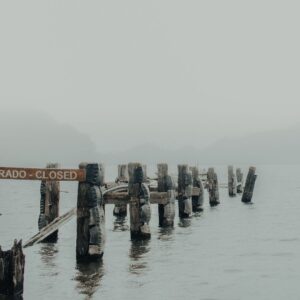
Port Orange and Rose Bay waterfront properties need repair approaches built for Halifax River conditions, not generic dock formulas. We start with a clear-eyed assessment of what’s underneath the decking and below the mud line, then we quote what’s actually needed, not inflated scope creep. If you’ve noticed leaning pilings, soft boards, bulkhead settling, uneven sections, or boat lift motor issues, call for a free assessment. Diagnosis first, then an honest estimate.