
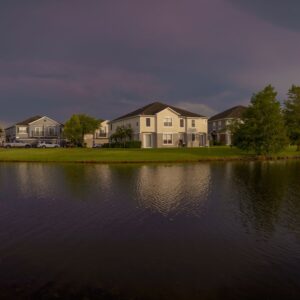
If your dock rocks when you walk across it, or if pilings look leaned since the last storm season, the Saltwater Canal System’s heavy tidal current is likely at work. Docks on Palm Coast’s signature canal network face relentless salt-air corrosion and tidal scour that shifts pilings and undermines seawalls. A sagging deck or sections that feel soft underfoot signal moisture reaching fasteners inside. Dock repair in Palm Coast means addressing what the canals’ full saltwater exposure actually does to wood, fasteners, and foundations. Homes near the Hammock Beach Resort area and deeper into the canal network experience these failures in predictable patterns.
A leaning piling often signals wash-around below the mud line, which if unchecked eventually pulls the decking out of level. That’s where piling repair and dock leveling intersect in Palm Coast docks. Meanwhile, pilings that show rot or splintering, or a seawall bulkhead with cap cracks and soil erosion behind it, tell you the full saltwater with heavy tidal current and salt-air corrosion is accelerating structural decay. Regular cleaning and sealing of decking slows that damage, but once wood softens or fasteners corrode, repair becomes necessary. The Saltwater Canal System side canals see the most aggressive corrosion patterns.
We work with individual homeowners on single-family docks, HOA-managed waterfront communities, and semi-commercial properties across the Saltwater Canal System. Every dock in Flagler County’s residential waterfront faces the same challenge: full saltwater with heavy tidal current and salt-air corrosion that shortens wood and fastener life. We’re familiar with local permitting requirements and the engineering constraints of palm-lined neighborhoods where helicopter drops and barge work aren’t options. After Northeast Florida’s storm season, we complete post-hurricane assessments and shore up undermined seawalls before secondary damage spreads. Matanzas River-facing properties and canal-interior homes both benefit from marine-grade repair specifications.
If you’re noticing a soft deck or leaning pilings along the Palm Coast canal system, schedule a free assessment. We walk the dock, check below the waterline where piling rot usually starts, and identify what’s actually failing before we quote anything. Homes near Hammock Beach Resort and throughout the canal network often find that early diagnosis prevents cascade failures. Get clarity on your dock’s real condition.
Watch for these signs on your Palm Coast dock: pilings that lean away from vertical, decking boards that feel soft or spongy underfoot, sections of dock that have sunk lower than others, or a seawall that shows visible gaps or tilting. The Saltwater Canal System’s full saltwater with heavy tidal current and salt-air corrosion accelerates wood decay, making early detection critical. Even minor settling or a slight rock in the deck structure warrants a closer look at what’s happening below the waterline and inside the piling foundations.
Repair scope depends on whether damage is isolated to decking, or if pilings and bulkhead are compromised. Saltwater exposure demands marine-grade fasteners and treated lumber that resist corrosion from the Saltwater Canal System’s environment. Dock size, accessibility (whether you can bring equipment in by water or land), and how much of the structure has already failed versus how much is still sound all factor in. A single splintered piling differs greatly from three pilings with active rot and a seawall showing undermining. Flagler County docks in heavier tidal zones experience faster deterioration, which sometimes makes the scope of work larger.
Mid-spring through May is ideal for dock repair in Palm Coast, before the Atlantic hurricane season kicks in June. Pre-season inspections catch piling rot and undermining before storm surge tests your dock’s integrity. After a major storm, water damage and scour may not show up immediately; secondary failures happen weeks or months later when fatigue and loosened fasteners eventually give way. If you spot damage after a storm event, prioritize assessment and repairs before the next season’s weather. Waiting until fall usually means dealing with damage during the wet season, when materials and crews are harder to coordinate.
Start by diagnosing what’s actually failing. If rot is limited to surface decking and fasteners are still solid, repair makes sense. If pilings show soft wood below the mud line, or if half the framing is compromised, the math usually favors a rebuild. Flagler County docks in the Saltwater Canal System face particular pressure because the full saltwater with heavy tidal current and salt-air corrosion penetrates deep. A structural engineer or experienced dock technician can assess the piling foundation, water-line damage, and framing decay to tell you honestly whether a targeted repair or full replacement preserves value longer.
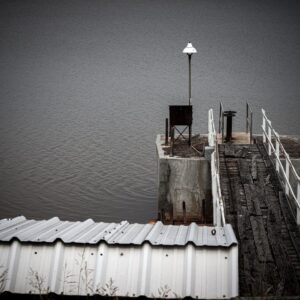
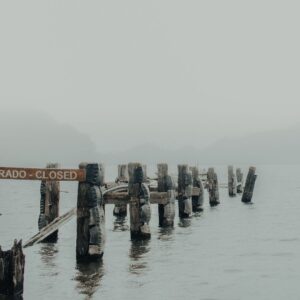
Dock damage in Flagler County’s saltwater environment doesn’t follow a fixed timeline. An undermined seawall can go unnoticed for months, then fail suddenly during tidal surge. Our job is to diagnose what’s really happening inside your piling system, under the water line, and beneath that surface softness before repairs spiral. Whether you’re around the Saltwater Canal System or deeper in the residential canals, we start with a clear assessment and explain exactly what needs attention now versus what can wait.