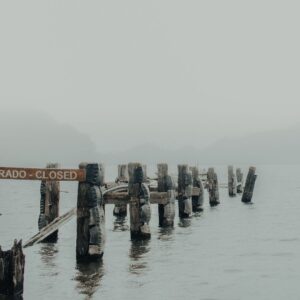
If your dock rocks when you walk across it, or if pilings lean after the latest storm season, you’re seeing what happens on the St. Johns River. Palatka’s waterfront sits on one of the widest stretches of this freshwater river, where wind chop, weed growth, and constant moisture-cycling wear docks faster than most homeowners expect. The homes near Memorial Bridge and throughout Putnam County’s waterfront neighborhoods often face pilings that shift, decking that settles unevenly, and fasteners that corrode despite freshwater conditions. Dock repair in Palatka isn’t one-size-fits-all; it starts with diagnosing what’s actually wrong.
A leaning piling often signals wash-around below the mud line, which if left alone eventually pulls the decking out of level, and that’s when piling repair becomes urgent. Boards that feel soft underfoot usually mean moisture has reached the fasteners underneath, a good reason for cleaning and sealing work before rot spreads. If your dock sinks after heavy rain or your bulkhead shows cap cracks, the St. Johns River’s freshwater moisture-cycling wear has likely undermined the base. Dock leveling and sea wall repair address these problems by tackling what’s actually failing below the waterline.
We serve residential homeowners with established docks around Memorial Bridge, newer waterfront builds in growing neighborhoods, and commercial operations along the Putnam County waterfront. Whether your dock is a small repair on a single-family lot or a marina-scale project, we approach the St. Johns River’s specific challenges the same way: assess first, then quote clearly. Freshwater with weed growth means fasteners corrode differently than in saltwater, so we use marine-grade materials built for that wear. We’re familiar with Putnam County waterfront permitting and post-storm assessment protocols. If you’re in the wide stretch of river near Ravine Gardens or elsewhere in Palatka, we know the conditions.
Before the Northeast Florida hurricane season peaks, let us assess what’s actually wrong with your dock. A free evaluation near Memorial Bridge or anywhere in Palatka takes an hour and tells you exactly what needs repair. We photograph pilings below the waterline, test decking integrity, and check for settlement. You get a clear picture of problems and priorities before any quote.
Look for a leaning piling, which signals wash-around below the mud line. Boards that feel soft or bouncy underfoot mean moisture has reached fasteners. Uneven decking or sections that sink after rain indicate piling settlement or foundation undermining. Check your bulkhead cap for cracks and monitor gaps that grow between dock sections. The St. Johns River’s freshwater and weed growth create year-round moisture stress, so even newer docks can show these signs.
Piling condition below the mud line drives most repair costs because rot or deep wash-around requires full replacement. Dock size matters: a large commercial project in Putnam County takes more material and labor than a small residential slip. Freshwater exposure with weed growth requires marine-grade fasteners and sealants that cost more upfront but last longer. Your bulkhead cap material, the extent of decking damage, and whether you need permits all factor in. Assessment clarifies which scope applies to your dock.
June through November is hurricane season in Northeast Florida, when docks take the hardest hits. If storm damage has exposed problems, repair sooner rather than later so wear accelerates. For planned work, March through May offer calm water and no storm urgency. Fall pre-season inspection in August or early September catches problems before hurricane-force winds test your dock’s integrity. The St. Johns River’s wind chop peaks in winter, so summer repairs give you months of stable conditions to complete work.
Repair makes sense if pilings are sound below the waterline and the framing sits level. Decking alone can be replaced or sealed without replacing the whole structure. If multiple pilings show rot or deep wash-around, replacement becomes more cost-effective than patching. Pull up sections to inspect the mud line and fastener condition, because this is where assessment stops guessing. Most Palatka docks on the St. Johns River are repairable; few need complete replacement. An inspection reveals which path fits your dock.


Your Palatka dock on the St. Johns River doesn’t need a guess, it needs a diagnosis. Whether you’re in Putnam County near the commercial waterfront south of Ravine Gardens or in a quieter residential neighborhood, schedule an assessment. We’ll identify what’s failing, why it’s failing, and what it costs to fix. No pressure, no sales pitch, just clear information so you can make the right repair decision.