
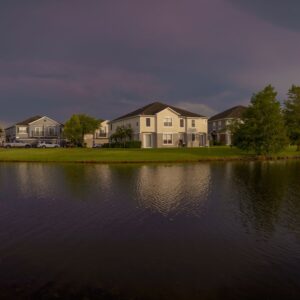

If your dock rocks when you walk across it, or pilings look leaned since the last storm season, Lake Ashby’s freshwater conditions are likely the culprit. The water body cycles through moisture and weed growth that accelerates decay in decking fasteners and piling wood below the mud line. Wind chop and moisture cycling wear docks harder than homeowners expect in rural Volusia County. A dock that felt solid five years ago may now show soft spots, misaligned frames, or sections that sink unevenly. These signal structural movement. Dock repair in Osteen, FL starts with understanding what Lake Ashby’s water does to wood and fasteners over time.
A leaning piling often signals wash-around below the mud line, which if left alone eventually pulls the decking out of level. In Osteen, that process accelerates where freshwater weed growth tangles around pilings and holds moisture against the wood. Our piling repair work addresses both the visible lean and the hidden rot underneath. Decking that feels soft underfoot usually means moisture has compromised the fasteners. We handle dock leveling for sections that have settled, along with sea wall repair when the water’s edge shows signs of undermining. Regular cleaning and sealing on Lake Ashby docks slows moisture cycling damage.
We work with residential homeowners on private Lake Ashby properties, from original cottages to newer builds on long dock runs that span older pilings. Property managers on HOA waterfront, particularly in the Lake Ashby area’s older communities, call us for post-storm assessments and seasonal maintenance. Local contractors rely on us for structural inspections before renovation permits. What sets our approach apart is familiarity with Volusia County waterfront permitting requirements and material choices for freshwater conditions where weed growth and moisture cycling demand marine-grade fasteners and treated lumber that withstands the cycle. We assess first, then recommend what’s actually needed.
Your dock doesn’t have to fail suddenly. We assess what’s actually wrong before quoting repairs. Call for a free evaluation on your Lake Ashby property or anywhere in Osteen. We’ll walk the structure, check the pilings below the mud line, examine decking fasteners, and tell you what you’re looking at in writing. No pressure. No surprise quotes. Just clear findings and honest options.
Look for pilings that lean away from their original angle, especially after windy seasons. Lake Ashby’s wind chop and moisture cycling loosen piling footings over time. Soft or spongy decking underfoot usually means corroded fasteners and compromised wood. If dock sections sit lower than others, pilings underneath have likely settled below the mud line. Misaligned frames, gaps where boards used to meet flush, and visible rot in fastener holes signal freshwater exposure damage. Any of these warrant an assessment.
The scope of damage determines labor and material costs. A single leaning piling costs less to repair than multiple pilings with rot below the mud line. Material selection matters too: freshwater conditions on Lake Ashby require marine-grade fasteners and treated lumber that resist moisture cycling and weed growth exposure better than standard wood. Dock size plays a role. Longer runs demand more fastener inventory and installation time. Whether repairs are surface-level decking replacement or structural piling relocation changes the timeline and crew size. We evaluate all these factors during the assessment to provide an accurate scope.
Repairs after storm season, June through November, are common. Northeast Florida dock damage assessments spike following tropical weather. We recommend pre-season inspections in late spring so you can identify and repair issues before the hurricane window opens. Post-storm repairs have longer lead times because demand increases across the region. If your dock sustained damage during the season, getting on the assessment calendar early ensures repairs complete before the next cycle. Minor issues like fastener replacement can happen anytime. Structural work on pilings or bulkheads works best when water levels are stable, typically late fall through early spring.
Most Osteen docks can be repaired rather than replaced, especially if pilings below the mud line are sound and framing members are intact. Replacement becomes necessary if pilings are severely compromised, if rot has spread through the main frame, or if the structure is sinking unevenly. Decking alone is almost always repairable,boards and fasteners can be replaced without touching the substructure. The key is proper inspection: we dive or probe below the mud line to assess piling wood condition, measure frame deflection, and check for hidden moisture. Once we know what’s wrong, repair versus replace becomes clear.
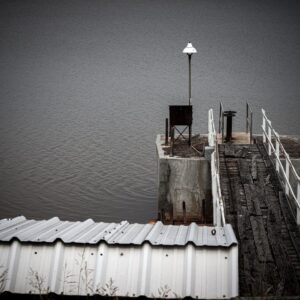

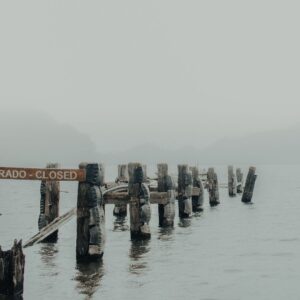
Don’t wait until a soft plank or leaning piling becomes a safety issue. Reach out for a free assessment. We’ll send a technician to your Lake Ashby property to evaluate structural health, moisture damage, and repair options. Osteen’s older dock inventory often benefits from targeted repairs that extend life years beyond what homeowners think possible. We start every job the same way: look at the problem, then quote the fix.